Note: I originally wrote this post in 2018 for my old blog. I have edited and updated it for posting here.
Few symbols capture the imagination like an old castle, and Scotland is one of the best places to see these architectural wonders that have inspired fantasy worlds. There are plenty of castles and palaces scattered throughout Scotland to satisfy fantasy and history enthusiasts, and when I lived in Edinburgh I was lucky enough to visit several of the country’s most important castles. I of course visited Edinburgh Castle as well as Stirling Castle, Eilean Donan Castle, and Dunnottar Castle. Some smaller castles I was able to see that I have already written about are Tantallon Castle and Urquhart Castle. I unfortunately didn’t make the time to visit Doune Castle or Linlithgow Palace, so these are the ones I hope to see one day when I get the chance to go back to Scotland.
Edinburgh Castle

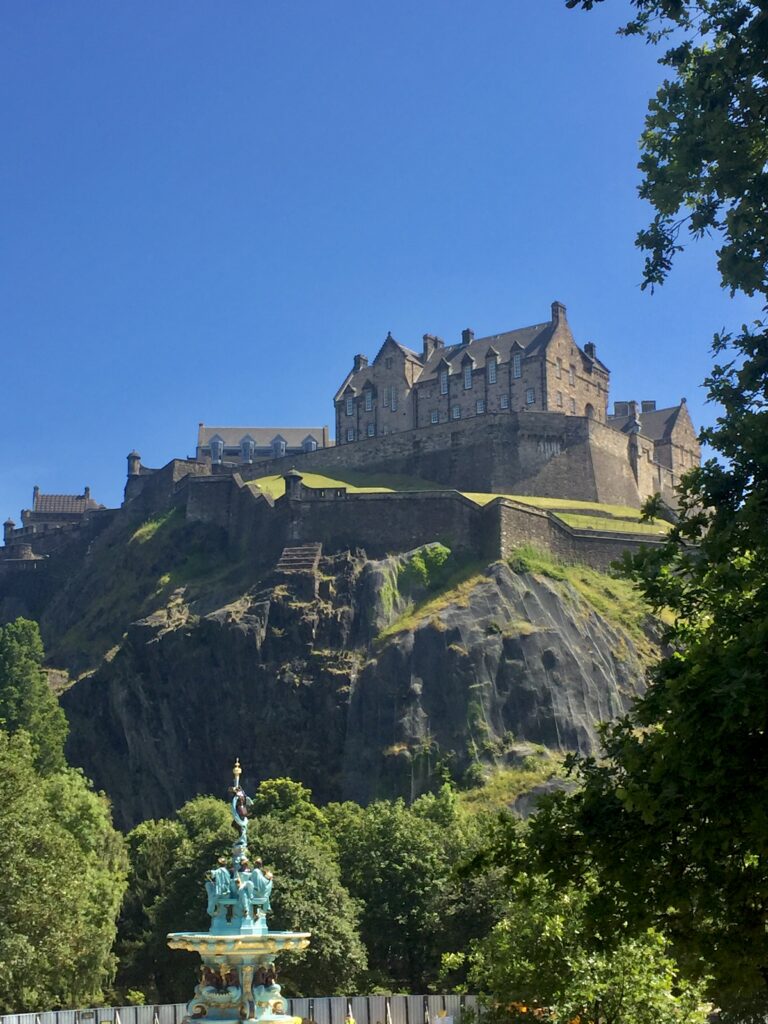
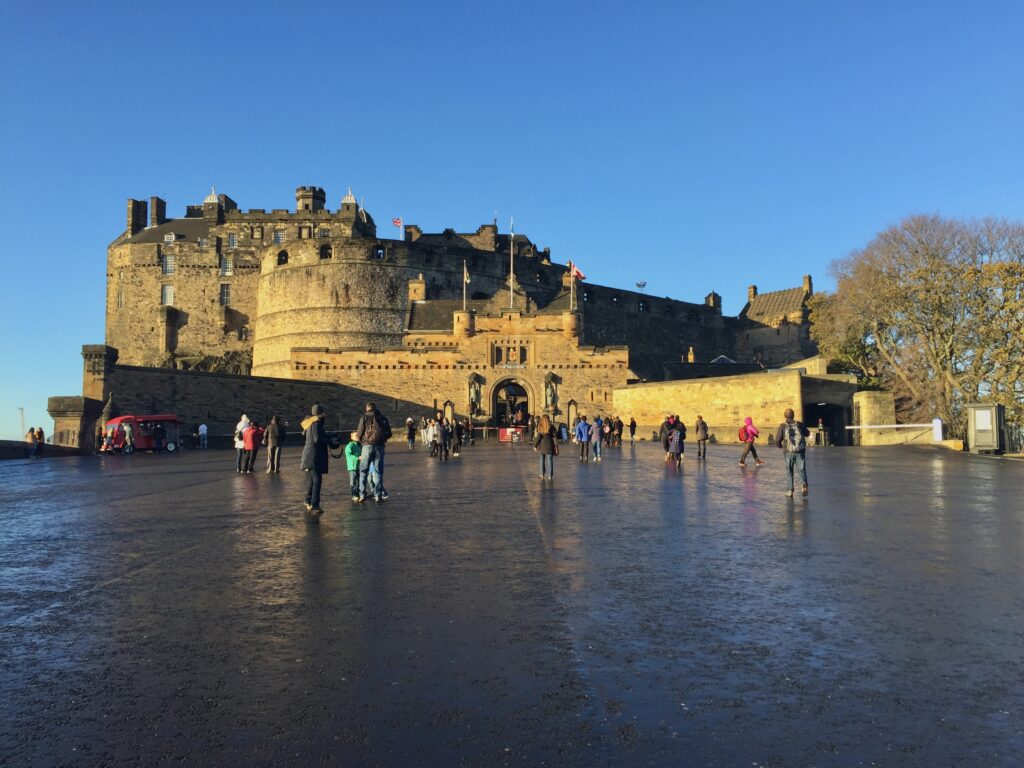
Edinburgh Castle is an integral part of Edinburgh’s skyline, as it sits above the city on Castle Rock. This site has been occupied by humans since the second century, and at some point a fort was built on Castle Rock by Iron Age Warriors. When exactly the first royal castle was constructed on Castle Rock is unknown, but a castle has been there since at least the reign of King David I in the 12th century. An account of the death of King Malcolm III, the man who defeated King Macbeth in battle, is the very first reference to a castle in Edinburgh. The castle changed hands a number of times during the Scottish Wars of independence, and in 1314 it was retaken from the English by Robert the Bruce’s nephew, Thomas Randolph. Two notable events to happen at the castle over the centuries are Queen Margaret’s death in 1093, and the birth of King James VI in 1566 to his mother, Mary Queen of Scots. From the 1600s until 1923 the castle was used as a military base and it has also frequently held prisoners of war, most recently during WWII.
Today, Edinburgh Castle is controlled by Historic Scotland and is the most-visited paid tourist attraction in Scotland. Inside the castle you can see the Great Hall, the Royal Palace, the Crown Jewels, the Stone of Destiny, St. Margaret’s Chapel, the Scottish National War Monument, as well as the National War Museum and the Regimental Museums. The castle is also where the One O’Clock Gun is fired, which was established in 1861 to allow ships on the Firth of Forth to set their clocks. It is fired every day except Sundays, Christmas Day, and Good Friday.
Stirling Castle
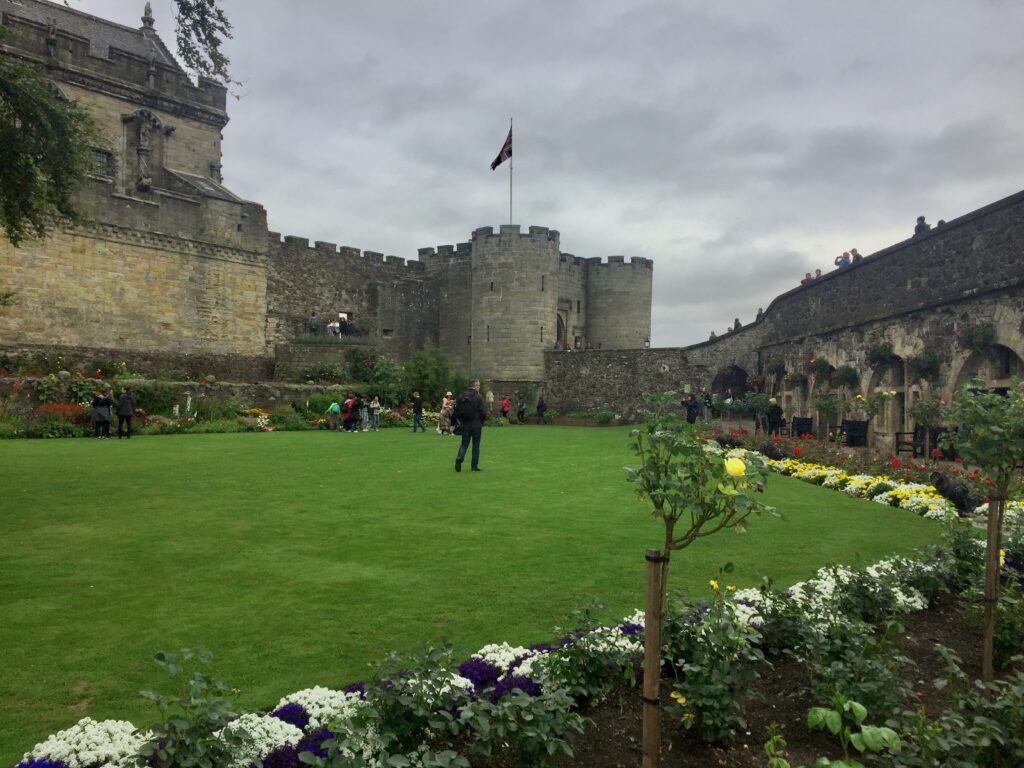
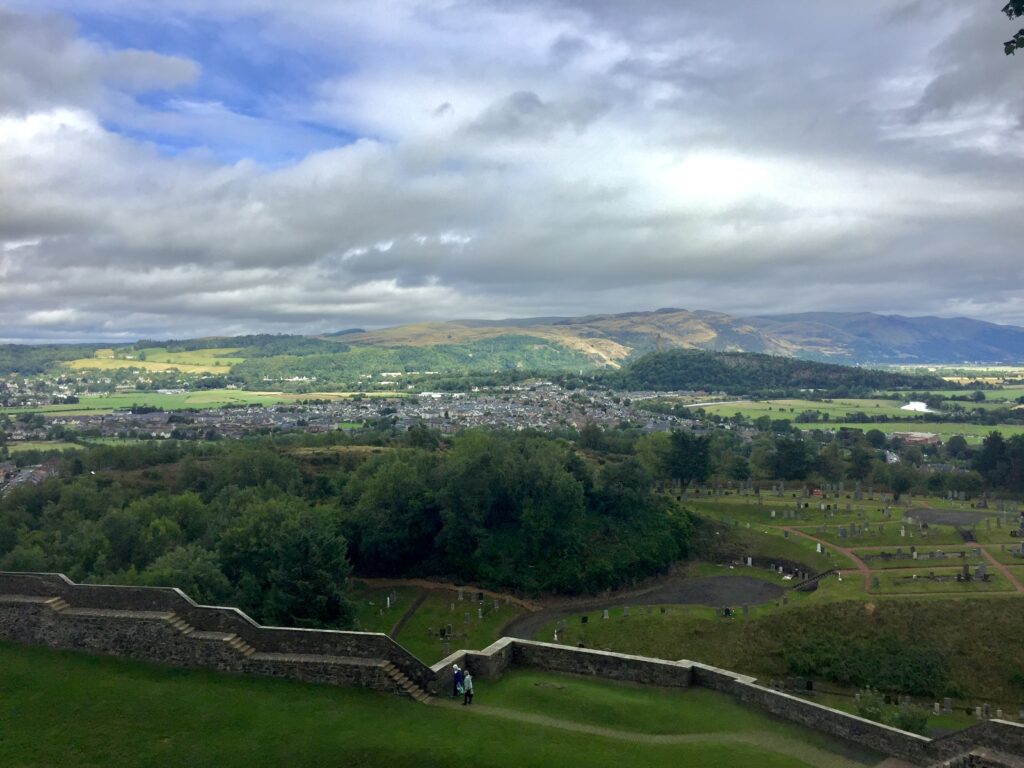
Stirling Castle is exactly what many history and castle enthusiasts are looking for. It is one of Scotland’s largest and most historically important castles, since it was one of the most used of the Scottish royal residences. Many Scottish kings and queens, including Mary, Queen of Scots, were crowned at Stirling Castle. It sits atop a hill above the city of Stirling, and steep cliffs surround it on three sides. The castle’s high position gives visitors a beautiful view of the city below and the surrounding countryside, including the Wallace Monument.
The first record of Stirling Castle dates to 1110, though it appears to have already been an established royal center at the time. In that year, King Alexander I dedicated a chapel at Stirling Castle, and he died at the castle fourteen years later. Under his successor David I, Stirling became a royal burgh and the castle an important center for administration. Later, King William I was captured by the English and forced to surrender many of his castles, including Stirling, but there is no evidence that the English occupied it at that time, and Richard I of England returned the castle to the Scottish in 1189. William I died there in 1214.
Stirling Castle played a significant role in the Wars of Scottish Independence, changing hands between the Scottish and English several times. The castle finally ended in Scottish hands in 1342 when King Robert the Bruce’s son Robert Stewart, the future Robert II, laid siege to the occupying English and retook the castle. Today, a statue of Robert the Bruce stands near the castle.
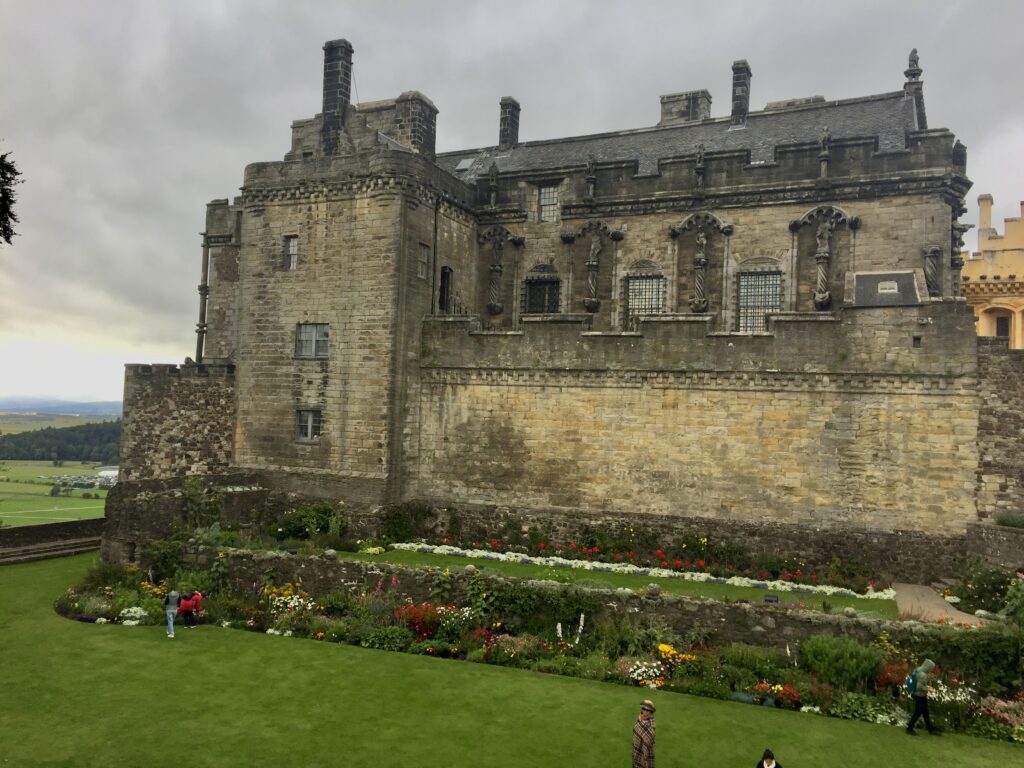
The earliest surviving parts of the present castle were constructed under the early Stewart kings and date to the late 1300s. Almost all the rest of the castle’s present buildings were built between 1490 and 1600, and the architecture of these buildings display a mix of English, French, and German influences. During this time, the Stewart kings developed Stirling Castle into a principal royal center, and many of them were born in and brought up in the castle. James V grew up in the castle and his daughter, Mary, Queen of Scots, was crowned at the castle in 1543 at less than a year old. She lived there for the first few years of her life until 1548, when she was sent to France . She returned to Scotland in 1561, and her son James VI was baptized at Stirling Castle and grew up within its walls. After Mary was forced to abdicate and flee to England, Stirling Castle became the base of her son’s supporters. James VI’s first child Henry was born and spent much of his childhood in the castle until the Union of the Crowns in 1603, when James VI became the first King of England, Scotland, and Ireland, and took up residence in London.
After the royal family moved to London, Stirling Castle was chiefly used as a military center and prison for persons of rank, though it saw a few royal visits. James VI’s son Charles I stayed there briefly in 1633, and after his execution his son, Charles II, was crowned the king and lived at the castle in 1650. Then the monarchy was abolished for ten years under Cromwell, but was restored in 1660, and Charles II was crowned king again. He had been the last reigning monarch to live at the castle, and after the monarchy’s restoration Stirling Castle was used as a prison, barracks, and a depot for highland military regiments.
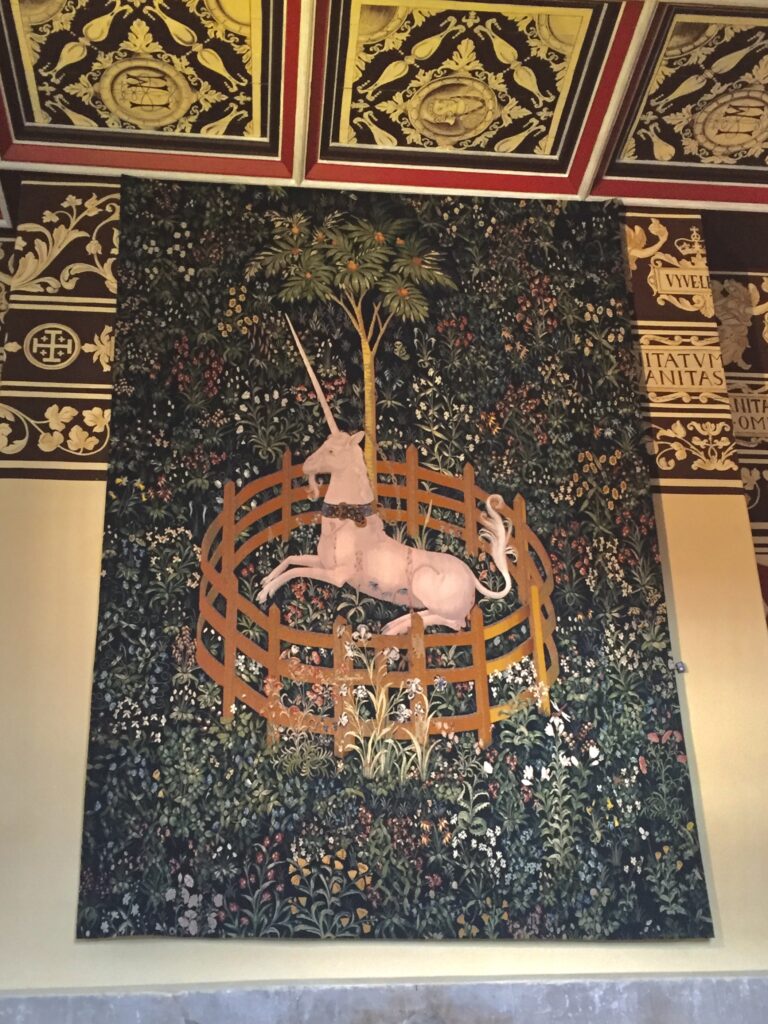
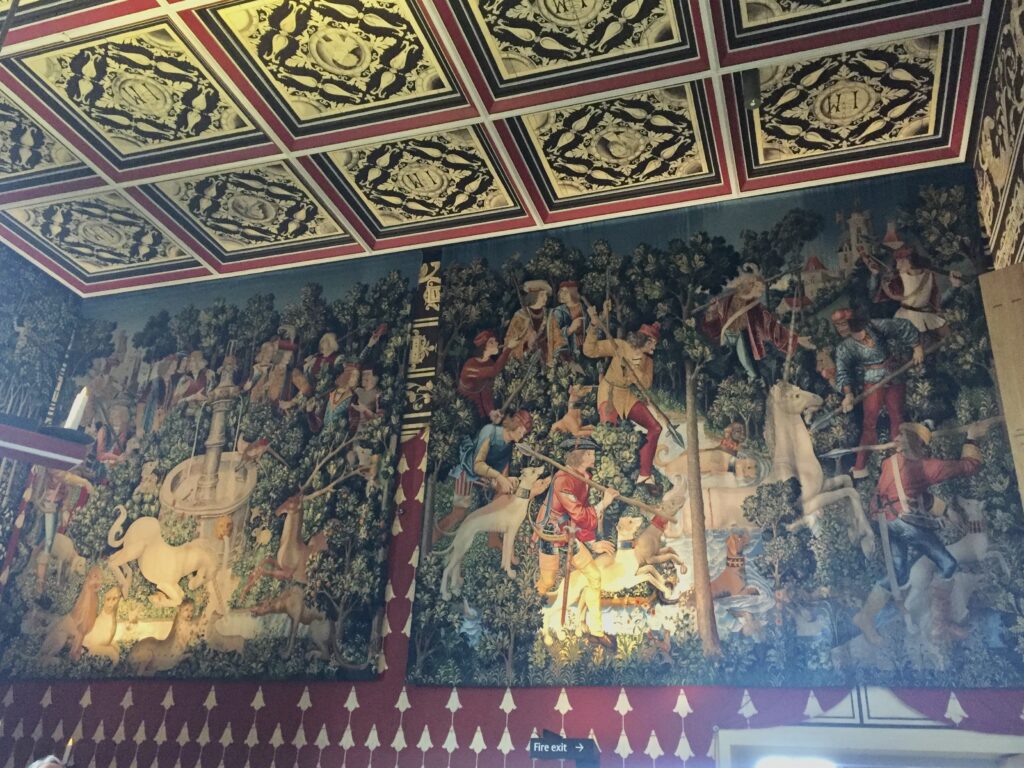
Today, Stirling Castle is a popular spot for visitors. A major restoration project, completed in 2015, was undertaken in order to restore The Hunt of the Unicorn tapestries, which date to the 1500s. The originals are in the Metropolitan Museum of Art in New York City, and many of the restored versions now hang in Stirling Castle. The castle is also still the headquarters of the Argyll and Sutherland Highlanders, an army regiment.
Eilean Donan Castle
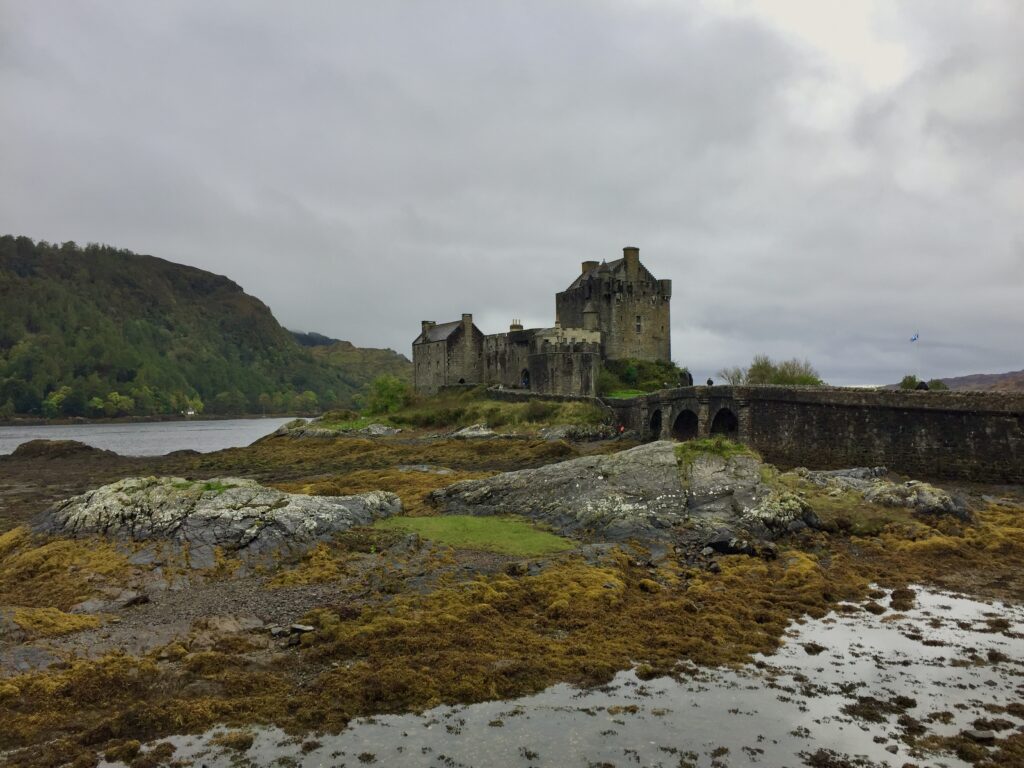
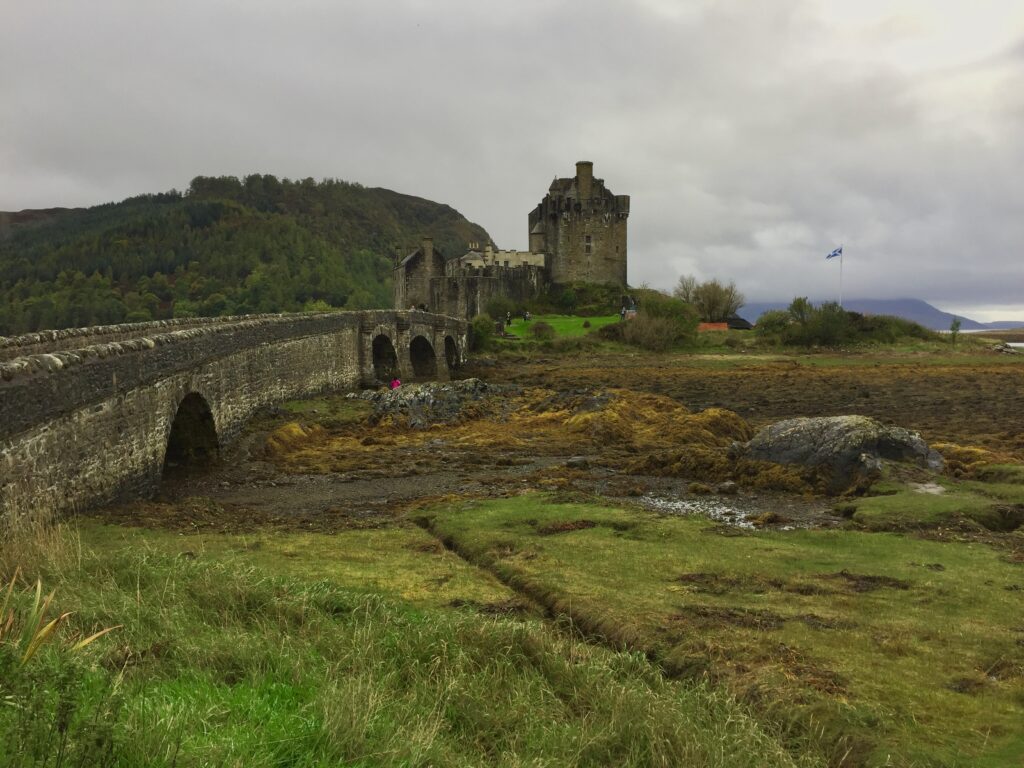
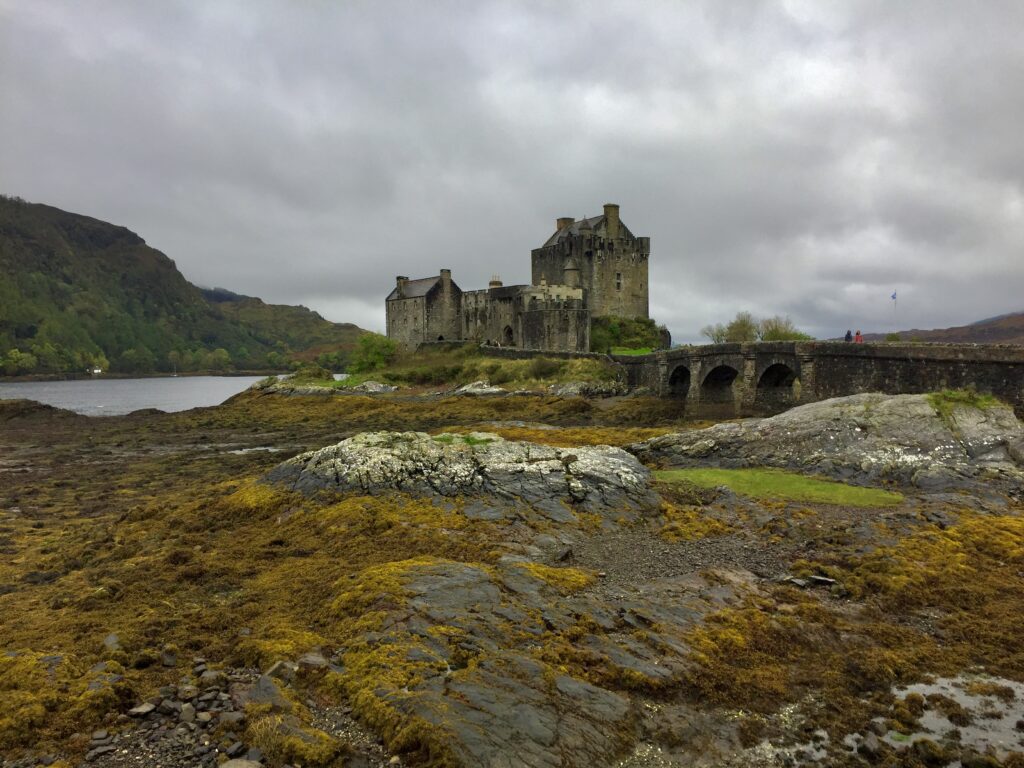
Not too far from the Skye Bridge that connects mainland Scotland and the Isle of Skye sits Eilean Donan Castle, a castle on a small island where three Lochs meet. Its name means “Island of Donnán” after the Celtic saint Donnán of Eigg who supposedly built a church on the island, though nothing remains of it. According to legend, the castle was built by the chief of the Mathesons, who was able to speak with birds. He gained the respect of Alexander II, King of the Scots from 1214 until 1249, who requested he build a castle to help defend the Scots from the Norse. The Mackenzies, a clan who held control of the castle a bit later, claim that Robert the Bruce was sheltered there during 1306 and 1307. Much of the castle was destroyed in May of 1719 during the Jacobite Risings, and then restored between 1919 and 1932.
Today Eilean Donan Castle is Scotland’s third most visited castle and one of its most photographed monuments. It was also featured in the films Elizabeth: The Golden Age and Made of Honor. Looking out at this medieval-looking stone building surrounded by lochs with the mountains in the distance, you can almost feel what it would have been like to stand there centuries ago.
Dunnottar Castle
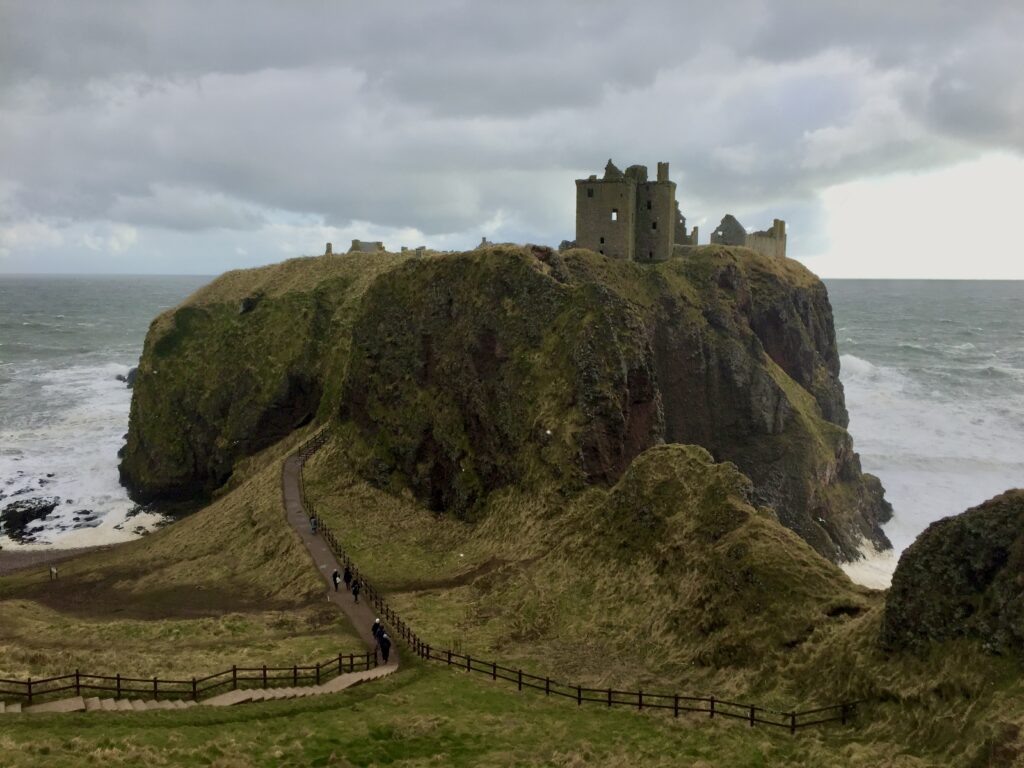
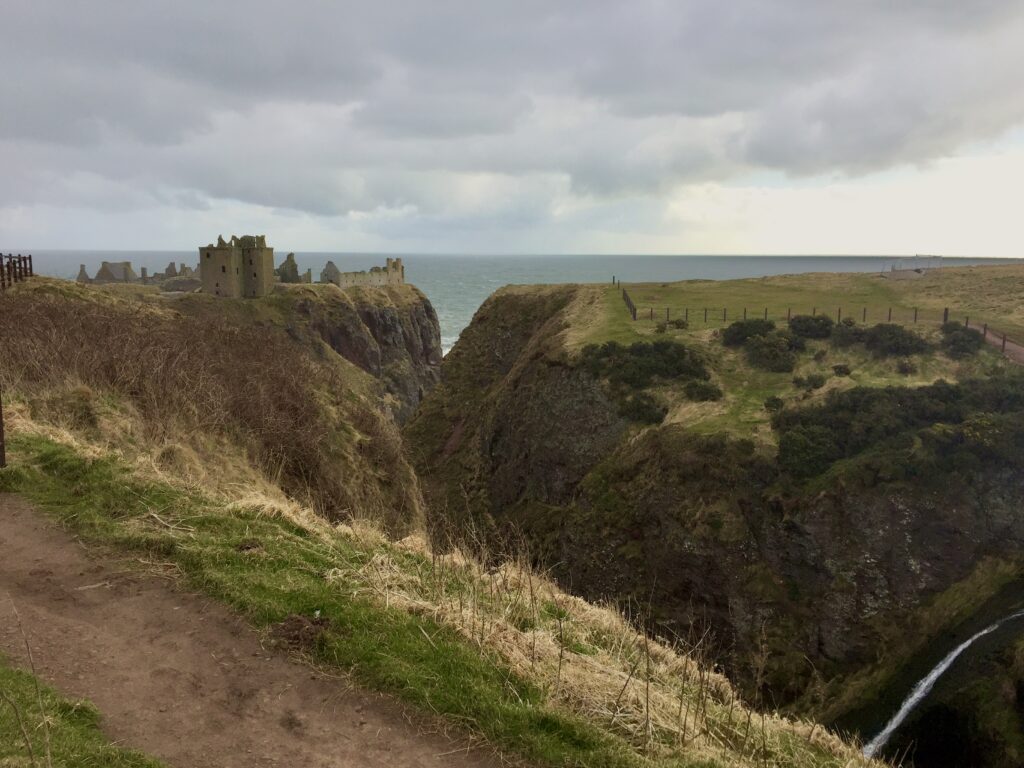
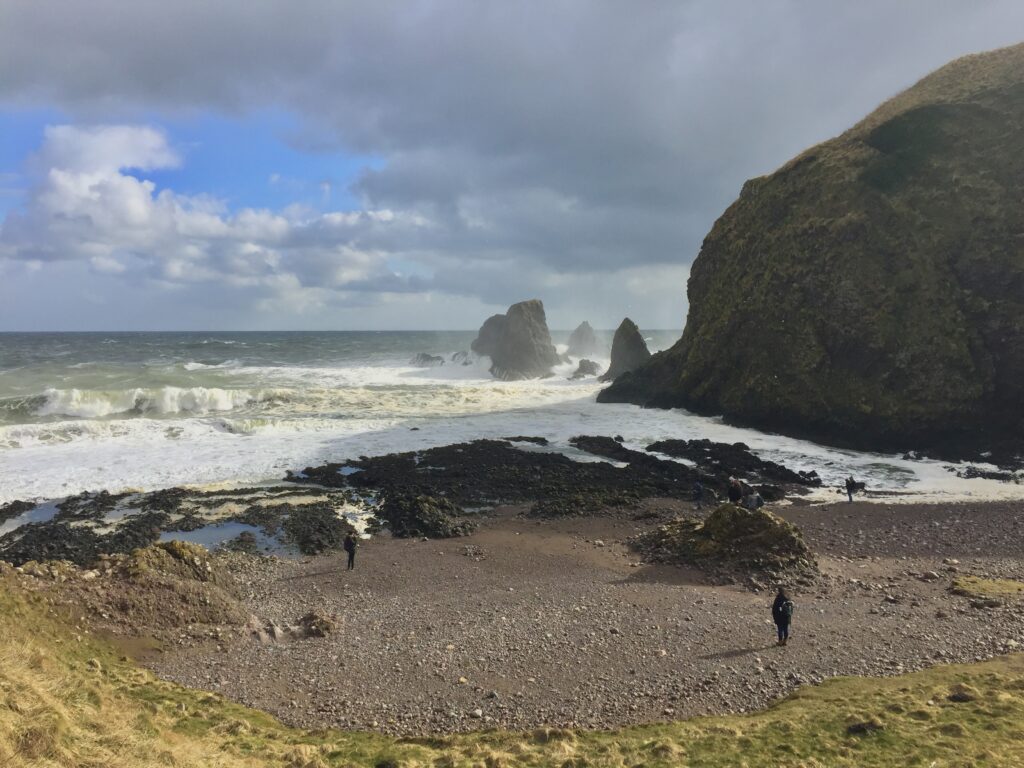
Dunnottar Castle is one of Scotland’s most famous castles. When I visited, the weather was not ideal: it was cloudy, a bit rainy, very cold, and very windy. Typical Scottish weather you may think, but In fact it was so windy that the castle grounds were closed to visitors. However, I was still able to walk around nearby and get great views of the castle itself as well as the surrounding coastline.
Dunnottar Castle is located on Scotland’s northeast coast just south of the town of Stonehaven. When the site of the castle was first fortified is unknown, but it is said that St. Ninian founded a chapel there in the 5th century. The surviving buildings mostly date to the 15th and 16th centuries. In 1359, the Marischal of Scotland, William Keith, was granted the barony of Dunnottar and his descendants held the castle as well as the title of Earl Marischal until the 18th century. Dunnottar Castle is best known for being the hiding place of the Honours of Scotland (the Scottish crown jewels) when Oliver Cromwell’s army invaded in the 17th century.
Because of its strategic location and defensive strength, Dunnottar Castle was one of the most important castles in Scotland until the Jacobite Risings in the 18th century. The castle was used by both the Jacobites and the Hanoverians, who supported the exiled Stuarts and George I and his descendants, respectively. It declined after this time because the last Earl Marischal took part in the Jacobite Rebellion of 1715. The rebellion was later abandoned, which resulted in his titles being forfeited. He fled to mainland Europe and became the French ambassador to Frederick the Great of Prussia.
In 1720, the York Buildings Company purchased the castle and dismantled much of it. The Earl bought back the castle in 1761 after his brief return to Scotland, but five years later he sold it to Alexander Keith, Knight Marischal of Scotland. It changed hands a couple more times until 1925, when it was purchased by the 1st Viscount of Cowdray, whose wife began repairs to the castle. It is still owned by the family but is open to the public (weather permitting, clearly) and is listed as a category A building of national importance, attracting tens of thousands of visitors every year. Additionally, the castle was featured in the 1990 film version of Hamlet.