Note: I originally wrote this post in 2018 for my old blog. I have edited and updated it for posting here.
Reading inspiration
- Great Expectations or anything else written by Charles Dickens
- Mrs. Dalloway by Virginia Woolf
- Any Sherlock Holmes novel or story by Arthur Conan Doyle
- Sense and Sensibility by Jane Austen
- The Picture of Dorian Gray by Oscar Wilde
- Wolf Hall by Hilary Mantel
- Brave New World by Aldous Huxley
- 1984 by George Orwell
- White Teeth by Zadie Smith
- Girl, Woman, Other by Bernardine Evaristo
- Atonement by Ian McEwan
- Fingersmith by Sarah Waters
- Bridget Jones’ Diary by Helen Fielding
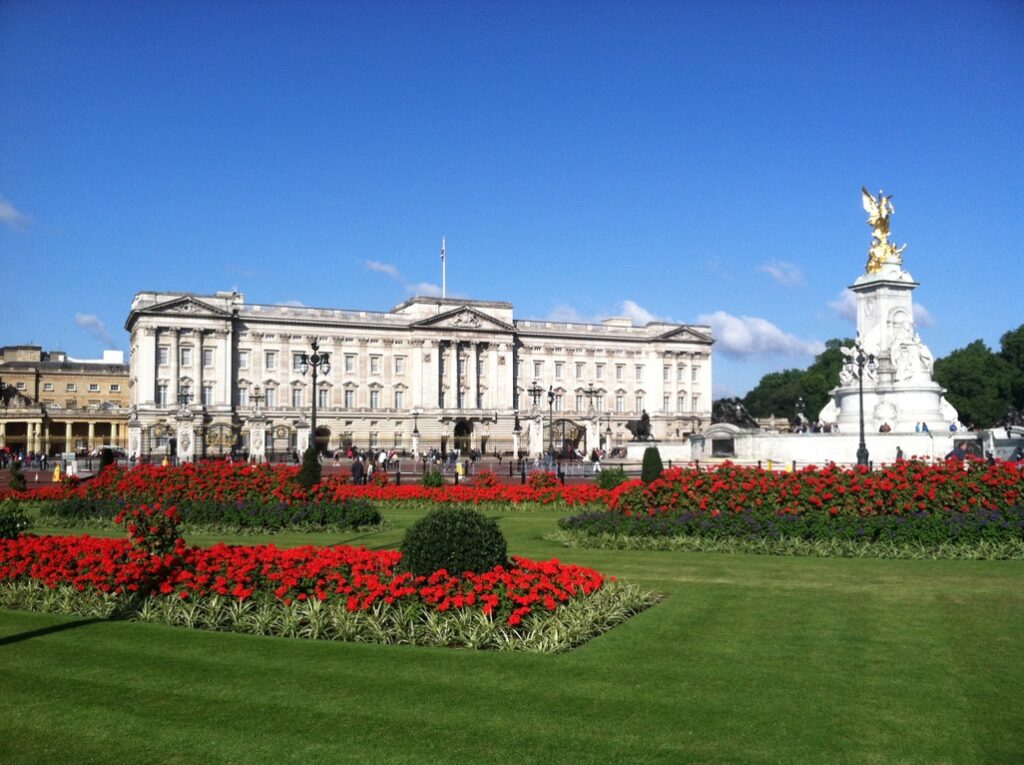
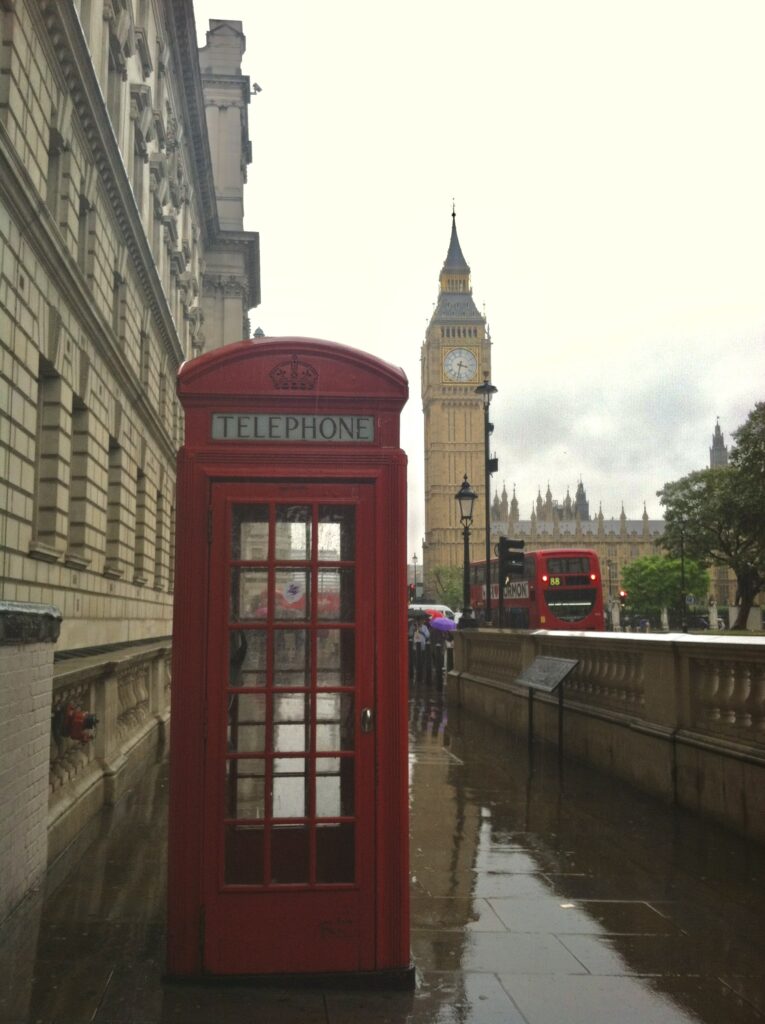
London needs no introduction, but I will attempt to provide one anyways. It is the capital of England and the United Kingdom, and with a population of more than 9.1 million people as of 2024, it is the most populous city in the UK and was actually the world’s most populous city from about 1831 until 1925. A truly global city, London is home to a very diverse population, with an estimated 300 languages spoken. It was also the first city to host the summer Olympics three times, it is home to the world’s oldest underground railway network, the London Underground, and contains four UNESCO World Heritage Sites: the Tower of London, Kew Gardens, Westminster, and Greenwich.
This description is appropriately overwhelming, just like the city itself. I have been lucky enough to visit London twice, once while I was studying abroad in Germany in 2015 and once when I was studying in Edinburgh in 2018. Both times I stayed for three nights, and though I have seen most of the major sights after having spent almost a week total there I am even more painfully aware of how much I have not seen. I hope to visit again at least once. Maybe it would be best to live there, even if temporarily. I had the chance to live there for a year as a master’s student, but I chose to study in Edinburgh instead. After visiting the second time I was satisfied with my decision. In Edinburgh I felt I could walk to most places I wanted to go and nature felt more accessible, whereas London is so huge that you have to take public transportation everywhere, and it’s expensive. Also, though Edinburgh gets crowded in August for the Fringe festival, London is flooded with tourists all the time. Nevertheless, London is an iconic city with a fascinating history and loads to see and do. It’s worth it to see what all the fuss is about.
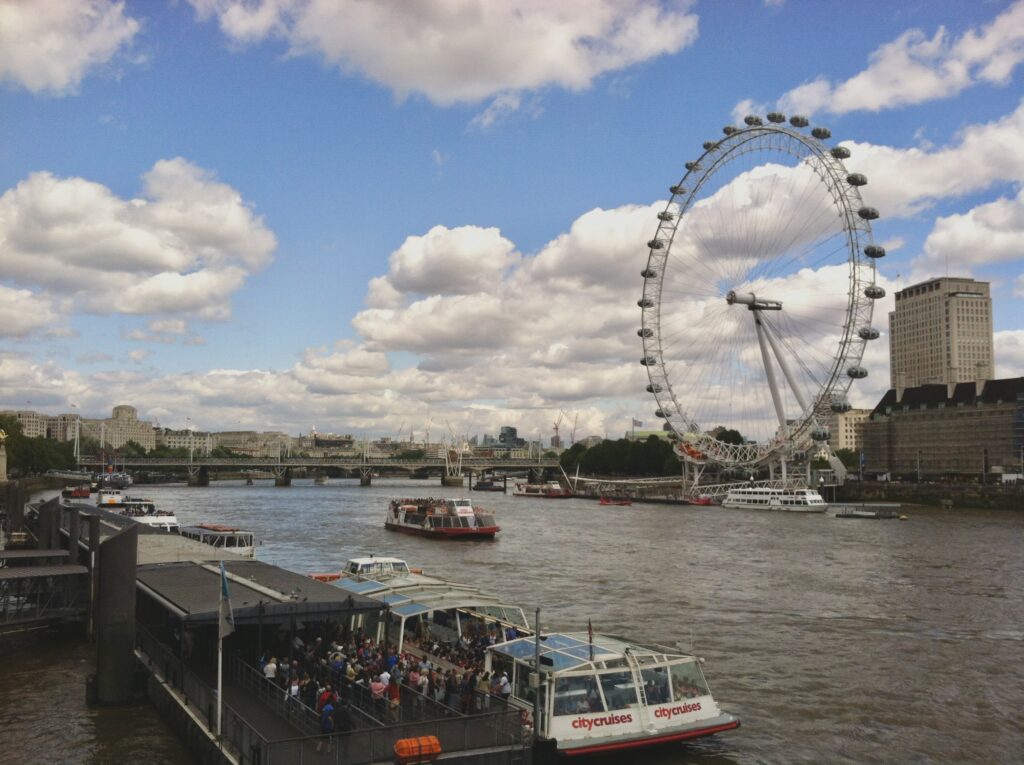
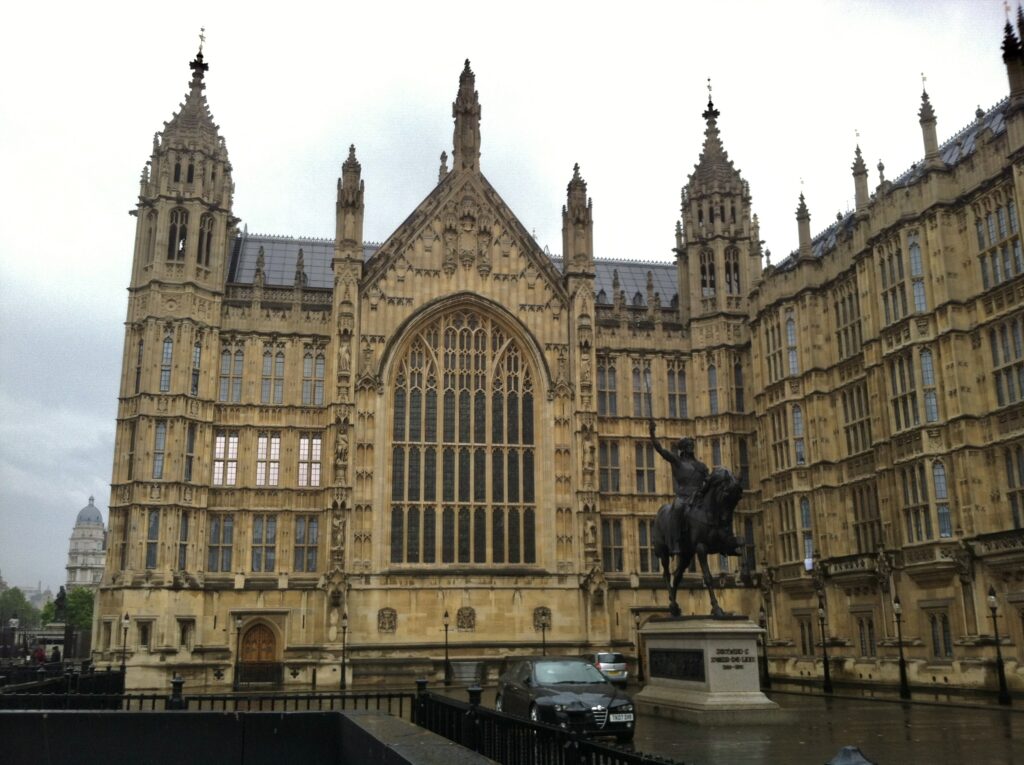
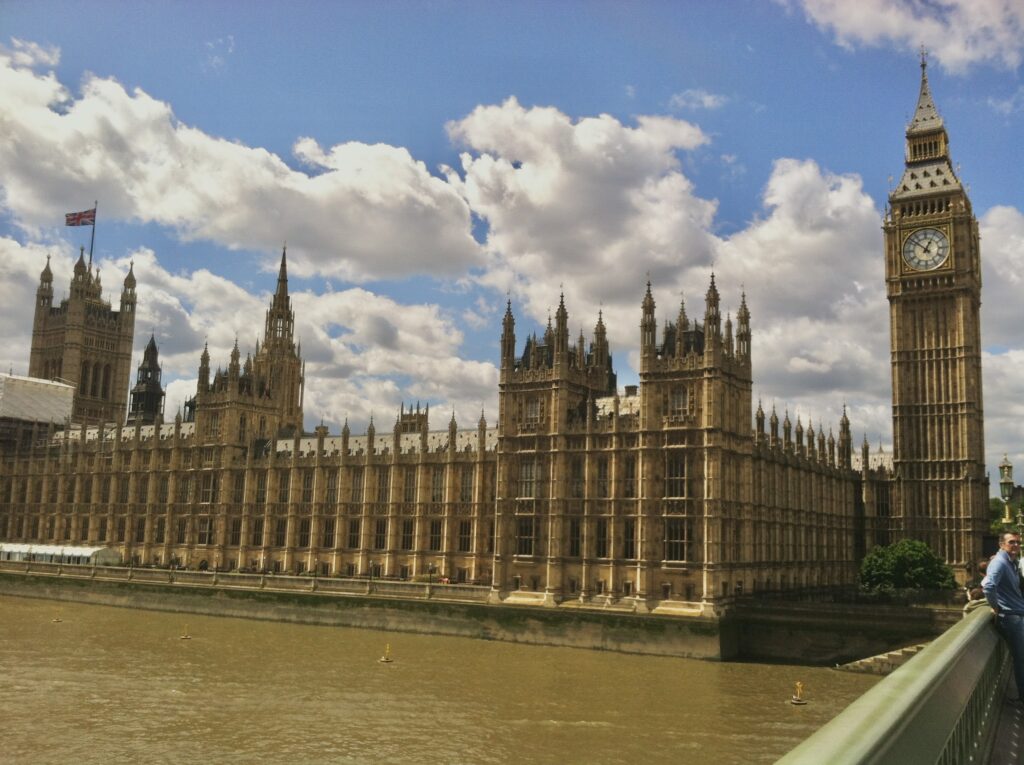
London’s history began shortly after the Romans invaded Britannia in 43 AD, when they founded a city called Londinium, and by the 2nd century it had a population of 60,000. This walled city was practically abandoned after the collapse of Roman rule in the 5th century, but the West-Saxon king Alfred the Great “refounded” it in 886. It grew rapidly, and by the 11th century was unquestionably the largest settlement in England. Westminster Abbey was founded in the late 900s and was later rebuilt in a Romanesque style by King Edward the Confessor. William the Conqueror was crowned there on Christmas in 1066. Under him the Tower of London was constructed, and under his son William II Westminster Hall was built, which became the basis of the Palace of Westminster, also known as the parliament building. Since then London has been the capital of England and the main residence of the English monarch. Of course, nowadays the name “London” refers to both the original City of London as well as the metropolis surrounding it, but the City of London, a small central section of London with a population of only about 9,500 people, still retains its medieval boundaries.
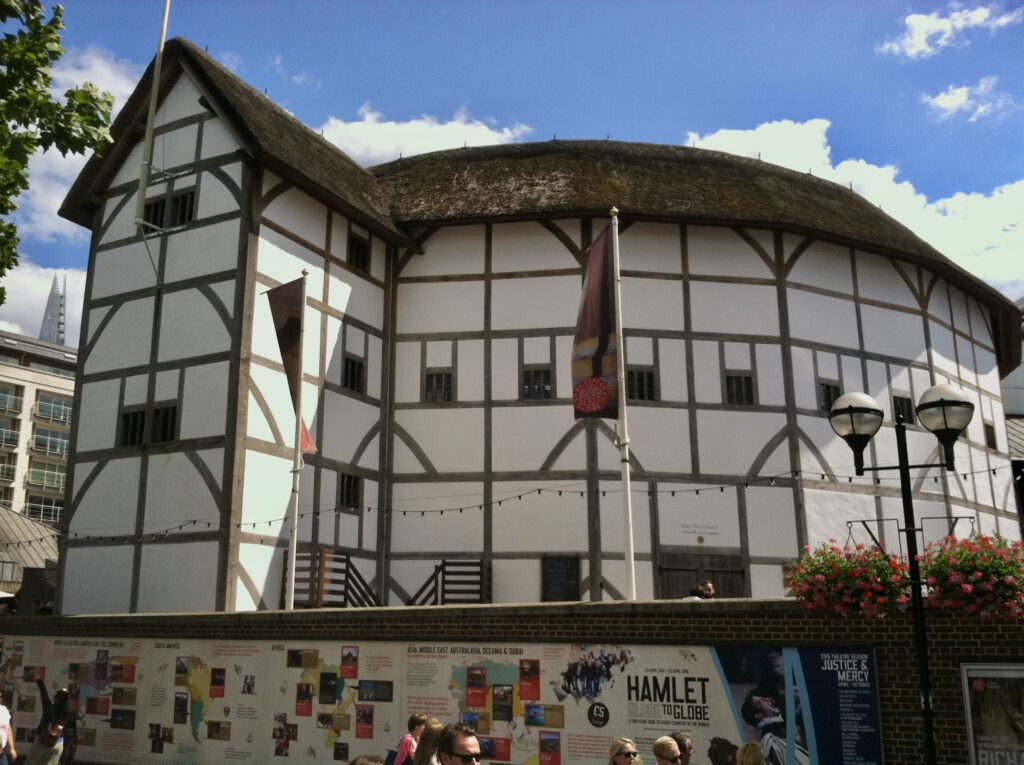
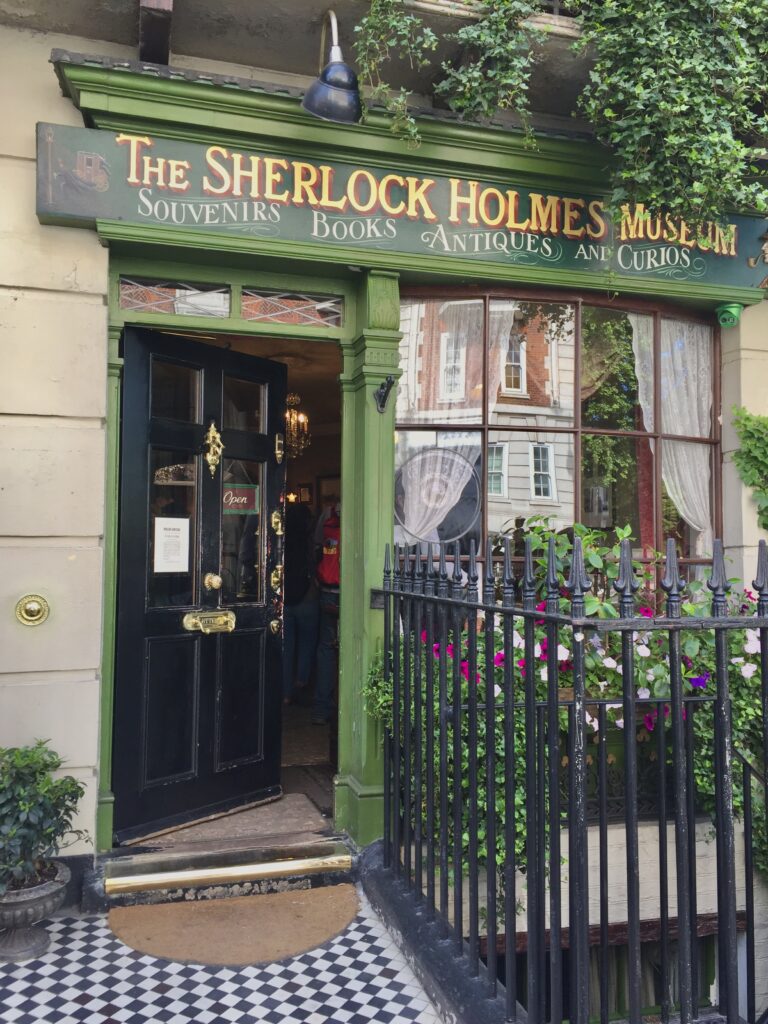
London holds a prominent place in the history of English literature. William Shakespeare, Lord Byron, Mary Shelley, Charles Dickens, Arthur Conan Doyle, E.M Forster, Virginia Woolf, and George Orwell were all from London or feature London prominently in their works. Some places you can visit that are connected to some of these writers are the Globe Theater, the Charles Dickens Museum, the houses Virginia Woolf grew up in and lived with her husband, King’s Cross Station where you can visit a Harry Potter shop and see Platform 9 3/4, and 221B Baker Street where the Sherlock Holmes Museum is located.
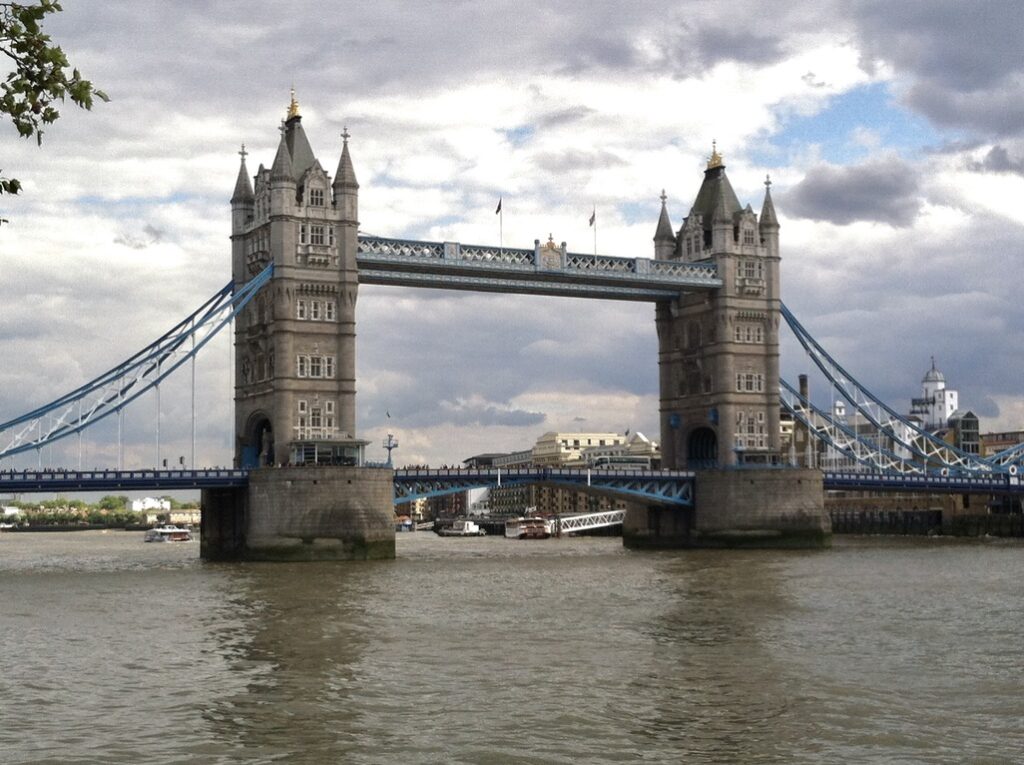
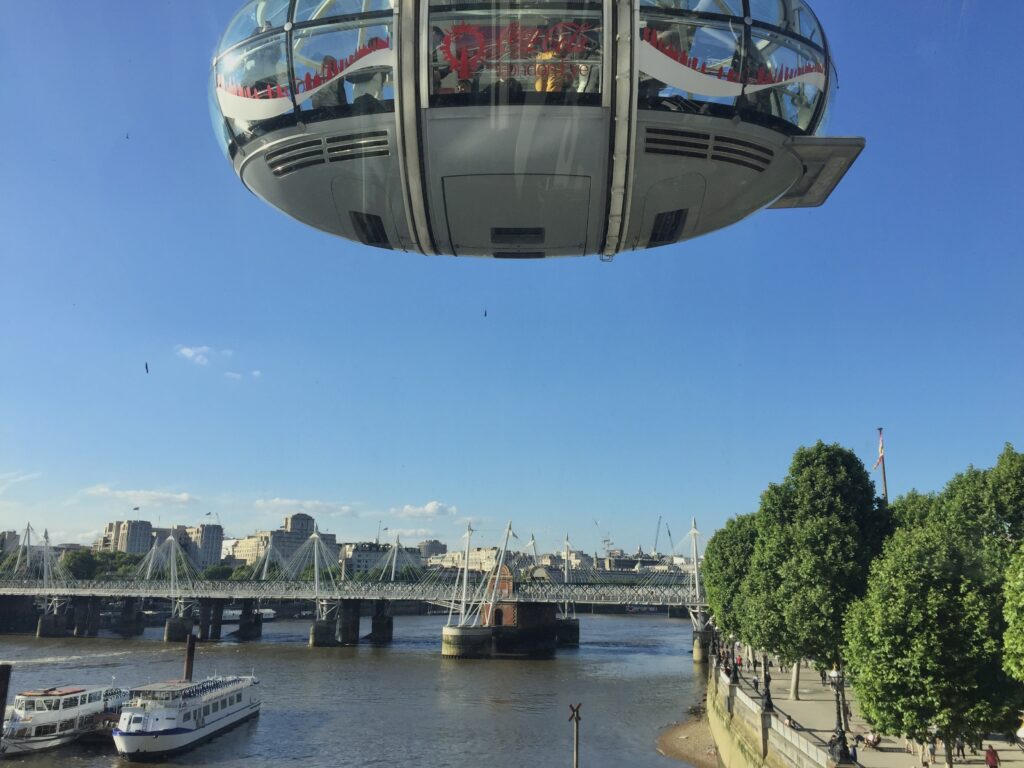
Honestly, there is so much to see in London that it’s overwhelming. Though the main attractions are expensive — I personally paid the fees for the Tower of London and the London Eye and thought they were worth it — all the museums and parks are free, so you can visit the National Gallery, the British Museum, Hyde Park, the Kensington Gardens and many more without paying anything. One of my favorite architectural features of Londond, Tower Bridge, is also completely free to admire and walkunder, though it does have an entrance fee if you want to climb its towers. London also has some very interesting modern-day skyscrapers that are either obnoxiously ugly or amusing depending on your perspective. The Shard, the Gherkin, and the Walkie-Talkie are the most notorious examples. I haven’t even mentioned anything about performances and other events that are happening all the time in London, because I was so busy seeing historical sights and visiting museums. There’s so much to see in London that one has to prioritize. Perhaps living there is the best way to see everything.