Note: I originally wrote this post in 2018 for my old blog. I have edited and updated it for posting here.
What to read on a trip to Stonehenge and Salisbury
- Tess of the D’Urbervilles by Thomas Hardy: A classic of 19th century English literature that features a climactic scene at Stonehenge
- The Remains of the Day by Kazuo Ishiguro: A beautiful, devastating novel about a butler that features Salisbury
- The Enigma of Arrival by V.S. Naipaul: A memoir that centers on Naipaul’s time living in Salisbury
Stonehenge
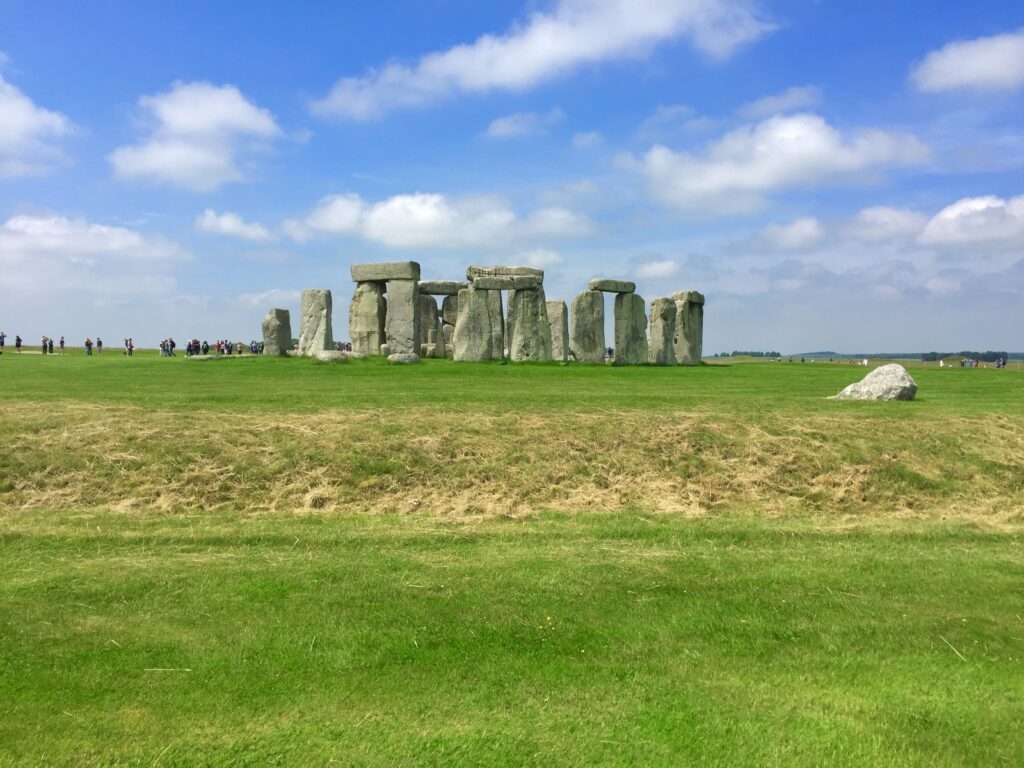
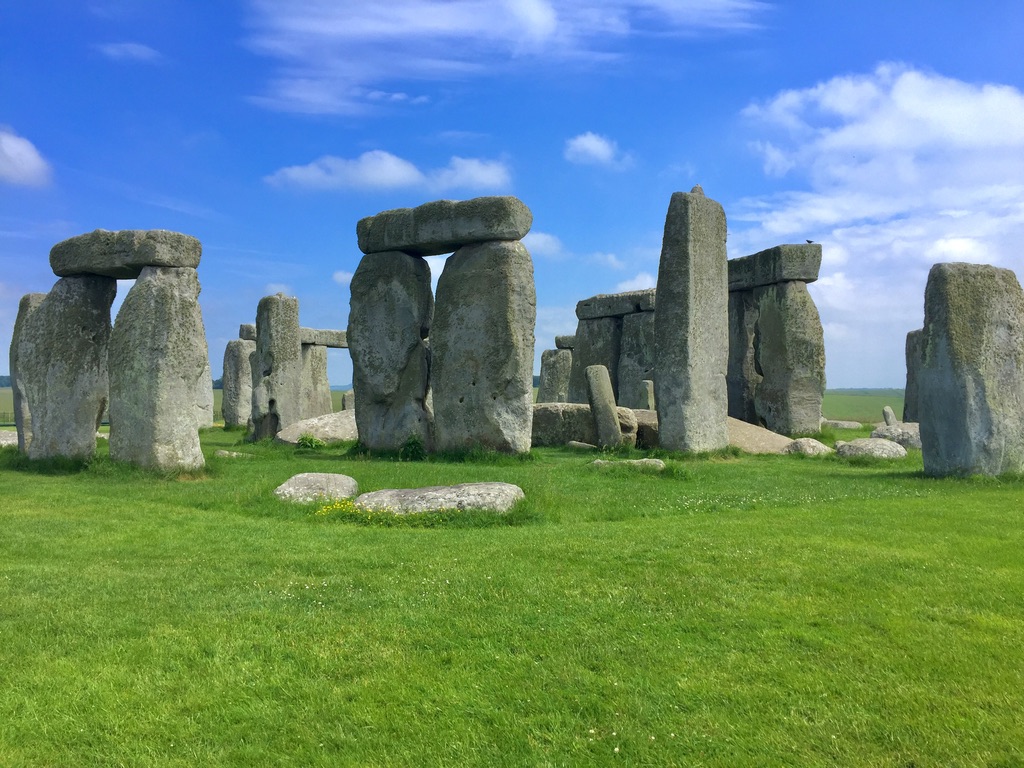
Out in a field in the county of Wiltshire in England sits a stone circle called Stonehenge, one of the oldest and most iconic monuments in the world. Archaeologists believe it was constructed between around 3000 BC and 2000 BC, which would make at least some of Stonehenge older than the Great Pyramid of Giza.
The standing stones that form Stonehenge stand about 13 feet high and 7 feet wide, and weigh about 250 tons. They are mostly sarsens and bluestones, and according to radiocarbon dating, the first bluestones were raised between 2400 and 2200 BC. These stones were brought to the site from long distances—the sarsens most likely come from the Marlborough Downs, 19 miles north of the site, and the bluestones were brought from Preseli Hills, over 150 miles away.


Rather than standing in isolation, Stonehenge is actually part of an ancient landscape of Neolithic and Bronze Age monuments. Stonehenge was likely a burial ground in its earliest stages, and the landscape surrounding Stonehenge contains more than 350 other burial mounds, the most dense complex of these monuments in England. It is generally accepted today that Stonehenge’s most prominent role was that of a temple aligned with the movements of the sun.
Today, Stonehenge is managed by the English Heritage Trust and the surrounding landscape is owned by the National Trust. This means that, even though Stonehenge sits out in a field, fences have been constructed around it so you have to pay at least £17 to get decent views of the monument. I personally thought it was worth the money, unlike many who have complained that it’s too close to the highway. It is relatively close, but it doesn’t detract from the beautiful landscape around it. Your ticket also gets you into the exhibit about the history of Stonehenge at the visitor’s center. However, it would be nice if you could just go see Stonehenge without having to purchase a ticket, like Tess does in Thomas Hardy’s Tess of the D’Urbervilles. I am clearly not the only one who thinks this, as there was a peaceful protest at Stonehenge the day I visited. Regardless, Stonehenge is a beautiful and iconic site that I did not find overrated, as some have claimed.
Salisbury
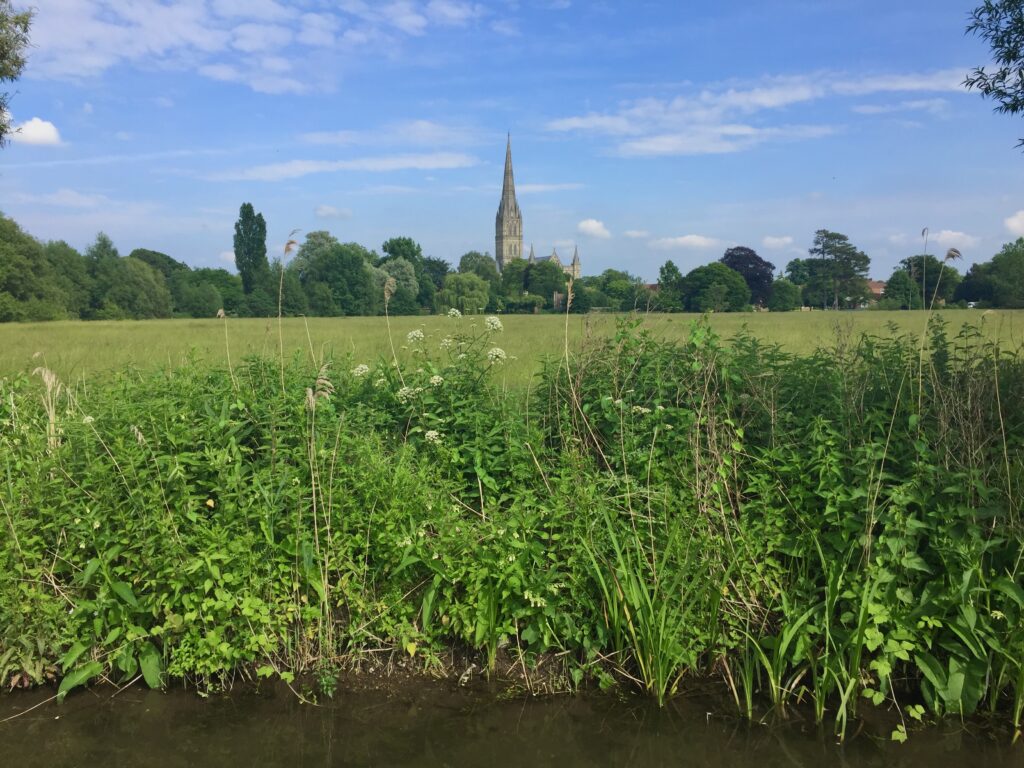
About 8 miles southeast of Stonehenge sits the city of Salisbury. With a population of about just over 40,000 people, Salisbury is not a very big city, but it is home to a famous cathedral. I was excited to visit Salisbury because of the descriptions of the city made by Kazuo Ishiguro in The Remains of the Day and V.S. Naipaul in The Enigma of Arrival, and I was not disappointed. I found Salisbury to be a beautiful, quaint city, which to me perfectly embodied my imagination of the English countryside.
Salisbury Cathedral was first established at Old Sarum, a hilltop that is the site of Salisbury’s earliest settlement. The first Salisbury Cathedral was completed in 1092, but shortly after its completion, maybe as few as five days afterwards, the cathedral was severely damaged in a storm. In 1220, Bishop Richard Poore moved the cathedral to its current location, which was called New Sarum. Construction began in 1221 and the main body was completed within 38 years. Legend has it that the site of the cathedral was determined by shooting an arrow from Old Sarum. Though the present cathedral is almost 2 miles away from Old Sarum, sometimes the legend includes the tale that the arrow struck a white deer, which continued to run for a while until it collapsed and died on the spot where the cathedral now sits.
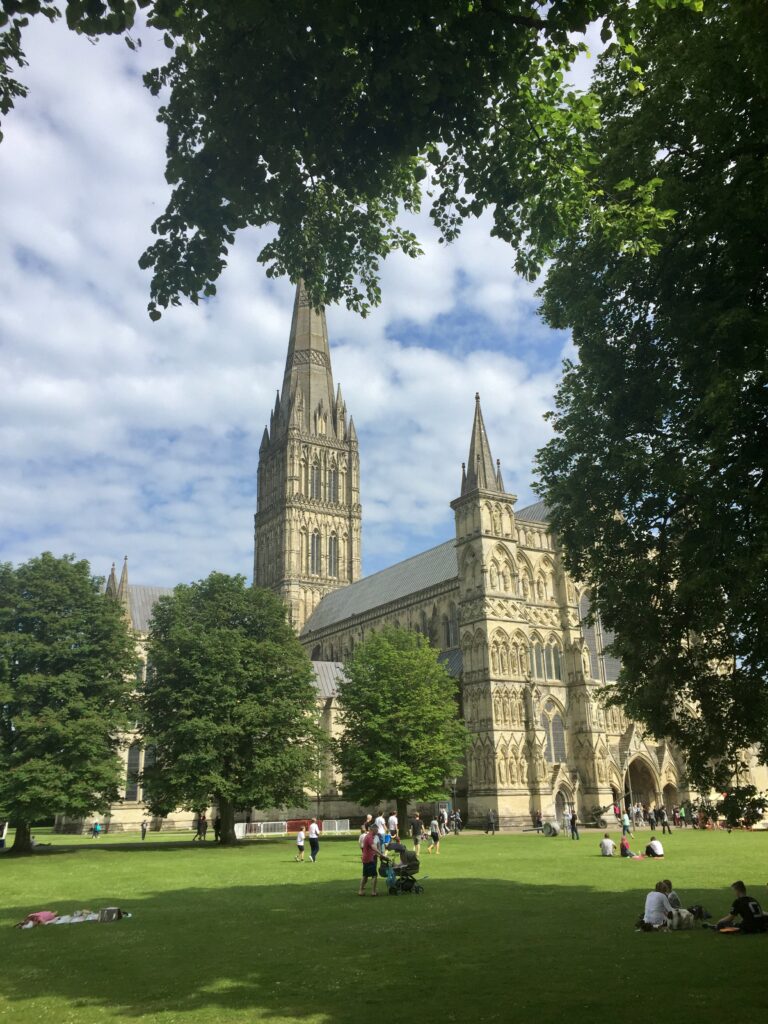
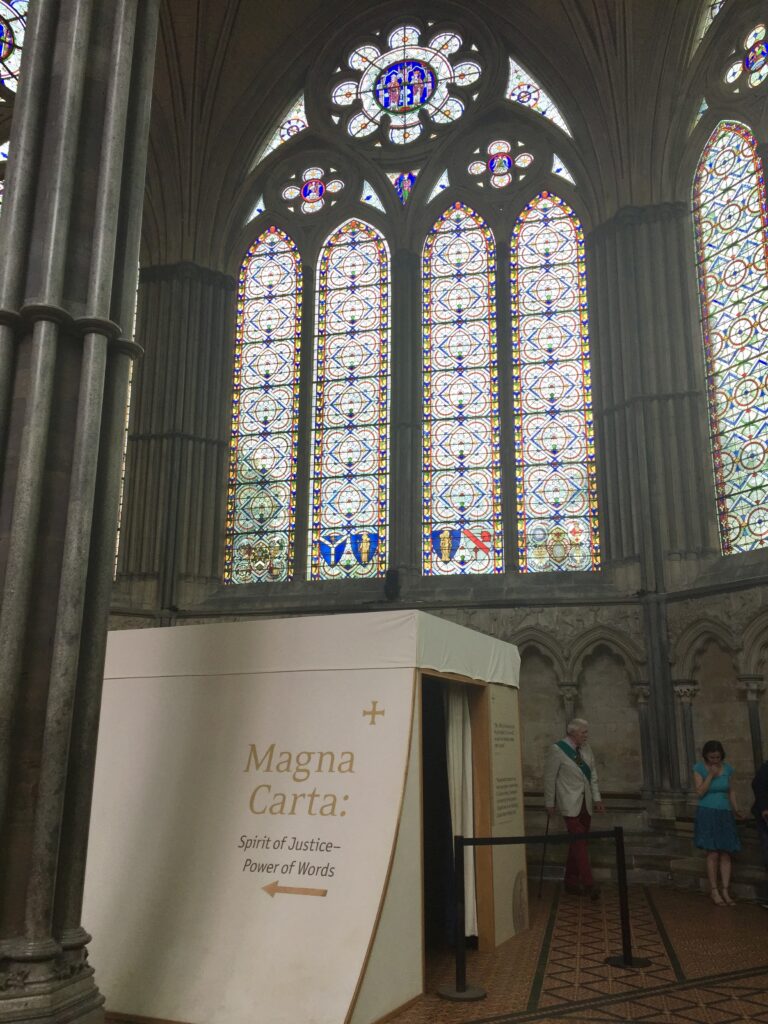
The spire of Salisbury Cathedral stands 404 feet, which is the tallest in England. Additionally, the clock of the spire, which was installed in 1386, is the oldest surviving mechanical clock in the world. Salisbury Cathedral also houses the best-preserved of the four surviving copies of the Magna Carta, a charter agreed to by King John which protected church rights, limitations of feudal payments to the Crown, protection for barons from illegal imprisonment, and quick access to justice. The Magna Carta is perhaps one of the most important documents in history, and it significantly influenced the American colonists and the American Constitution.
Though Salisbury may not be high on many people’s travel lists, I think anyone going to Stonehenge should take the side trip to Salisbury. There is a bus to Stonehenge that leaves from the train station in Salisbury, and both can be done in an easy day trip from London. Though the cathedral and Stonehenge may be the most popular reasons for visiting Salisbury, don’t hesitate to walk around and explore the quaint city. There’s a reason why it has inspired great writers such as Ishiguro and Naipaul.