Note: I originally wrote this post in 2017 for my old blog. I have edited and updated it for posting here.
In 2016 when my sister was living in Beijing on a study abroad program, I took the opportunity to visit her. It was not only my first time in China, but my first time in Asia. I spent almost two weeks there, mostly in Beijing with a side trip to Shanghai. Visiting China for the first time, even in the cold, smoggy winter, was a marvel for me. Everything was completely different from my experiences in the USA and Europe, from the architecture and food to intangible aspects like the atmosphere. Since then I’ve visited China a couple more times so these differences are much less novel to me now, but I’ll never forget how thrilling the experience was visiting for the first time.
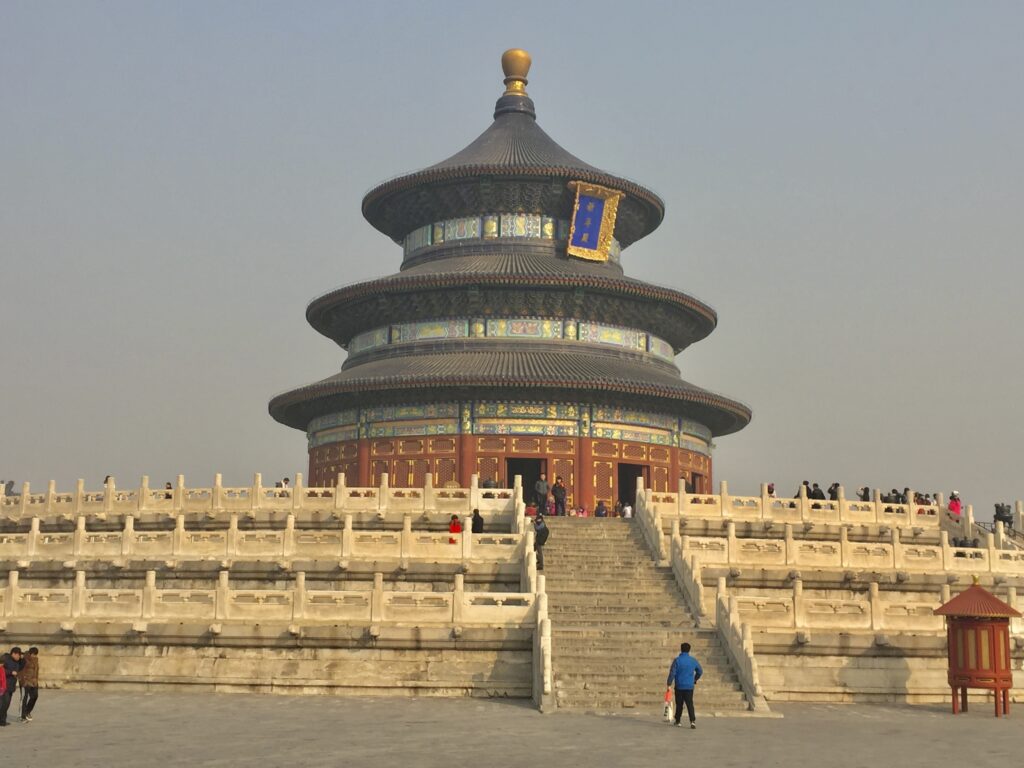
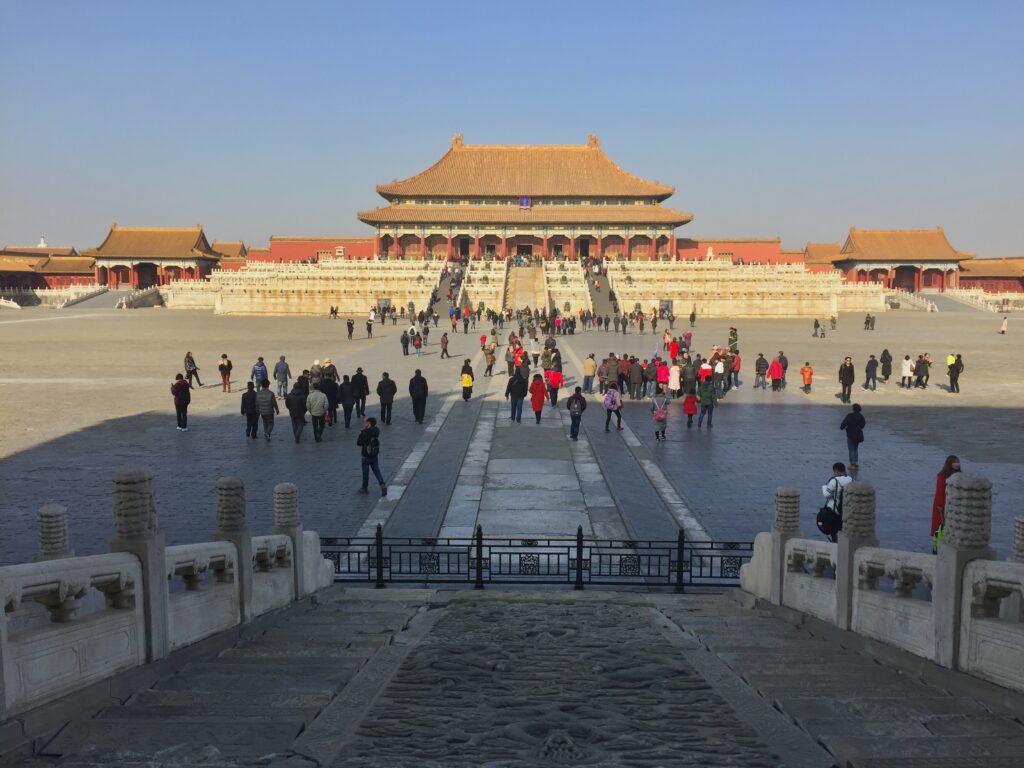
Formerly romanized as Peking, Beijing has been the capital city of China since 1403 when the Ming dynasty moved the capital from what is now Nanjing to Beijing. In Mandarin Chinese, nan = south, bei = north, and jing = capital, so Nanjing means southern capital and Beijing means northern capital. The history of Beijing vastly predates its designation as the capital. The city is believed to be about three thousand years old and to have been the most populous city in the world for a couple of centuries during the second millennium AD. Today at almost 22 million people (!!) Beijing is one of the most populous cities in the world, and yet isn’t even the most populous city in China. Shanghai, the other city I visited on this trip, beats Beijing by more than 2 million people, and nowadays Chongqing tops both. It was mind-blowing to realize that both cities I visited in China have populations twice the size of Austria, where I was living at the time.
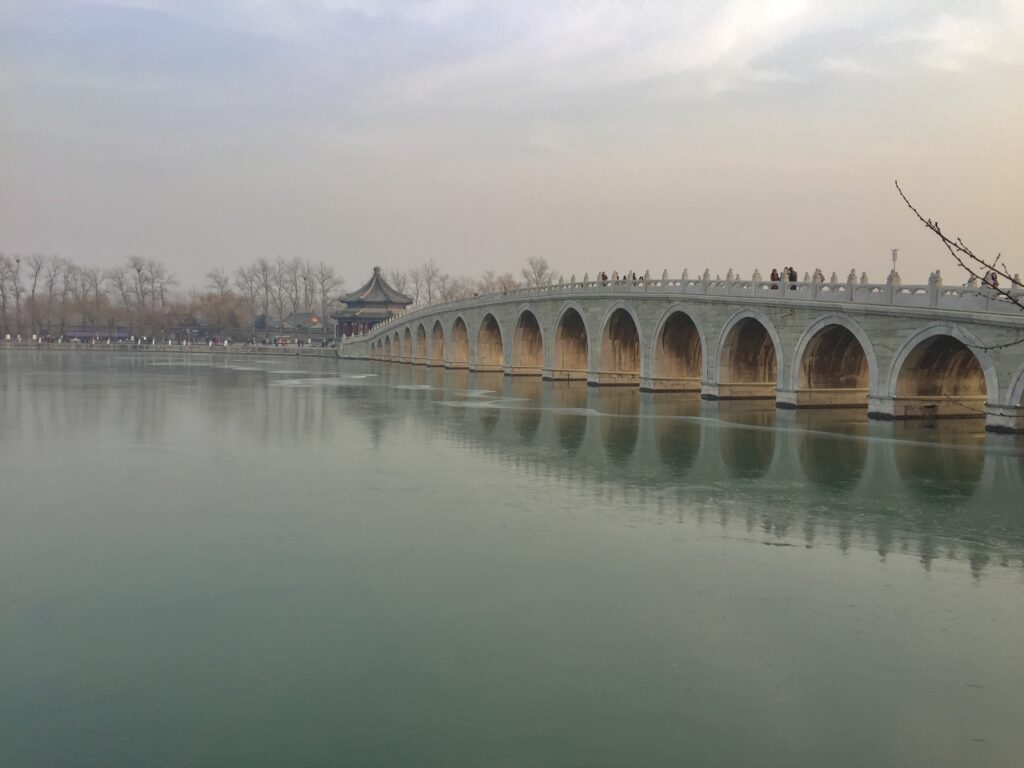
In Beijing, I was lucky to have my sister to show me all the important sites. As China’s capital for more than 600 years, Beijing and the area around it alone contain seven UNESCO World Heritage Sites, most of which we visited. On my first day there we passed by the old Drum Tower and Bell Tower, walked through the Hutongs and got street food, which was steamy and comforting in the frigid weather. In the following days we visited the Summer Palace, the Forbidden City and Tiananmen Square, the Temple of Heaven, Yuan Ming Yuan Garden, and a section of the Great Wall. And of course we ate so much delectable food. We had hotpot, Peking Duck, and so much more both in restaurants and on the street. I was also in Beijing for New Year’s that year. On New Year’s Eve we went to a cafe that was open late and popular with students. We sat and relaxed with milkshakes, and toasted to the New Year on the stroke of midnight. It was a very simple way to ring in the New Year, but it’s honestly one of my favorite New Year’s memories.
Beijing did, of course, have an air pollution problem at the time I visited, though apparently the air quality has vastly improved since then. My first few days there were sunny and smog-free, but then followed a few days where we wore face masks, which at the time I had never done before and in pre-pandemic times this made me wonder if this was what the apocalypse would be like. The smog was definitely the worst part about Beijing, and I was there in the winter when it was supposedly the worst.
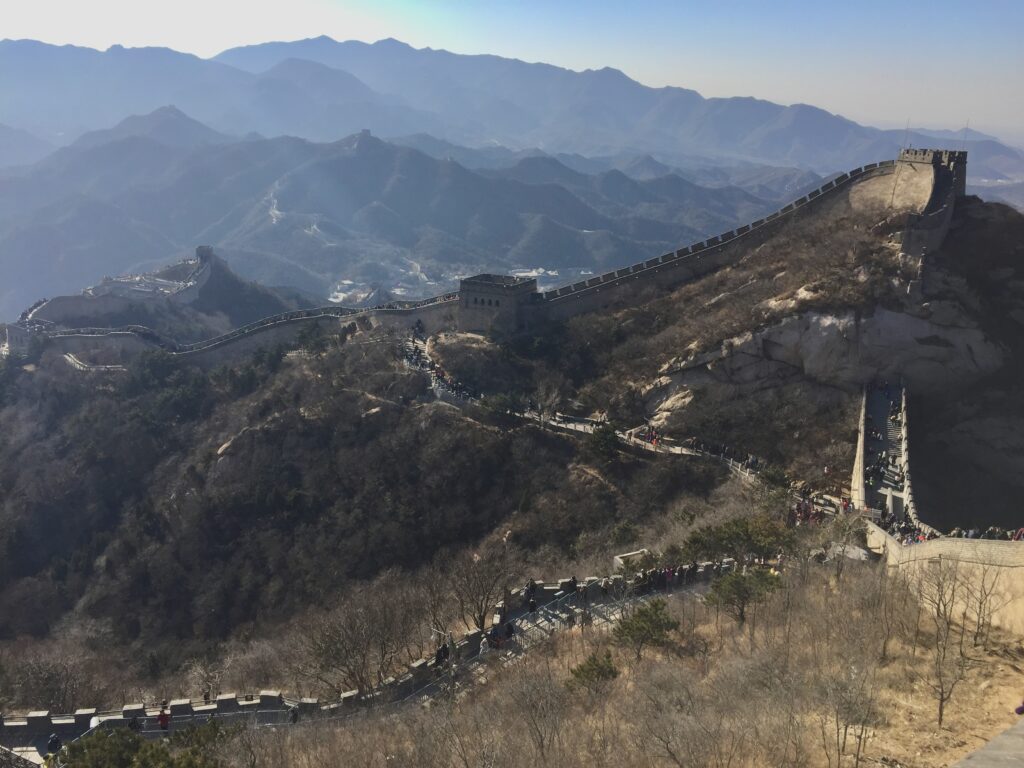
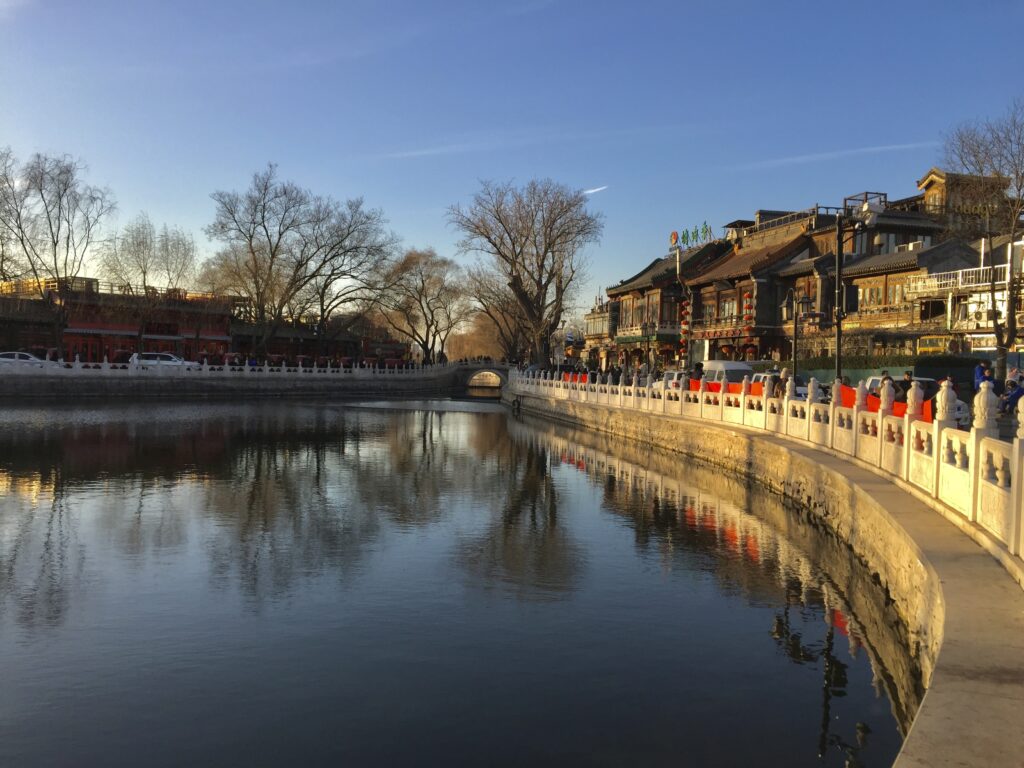
After nearly a week in Beijing we hopped on the bullet train to Shanghai. What is astounding about Shanghai is that it was little more than a fishing village about a hundred and fifty years ago, and today it is one of the most populous cities in the world with 24 million people. Because of this, I wasn’t as thrilled about going to Shanghai as I was about Beijing. I figured there would be interesting things about Shanghai, but that it would mostly just be skyscrapers and good shopping, with nothing historic in which to immerse myself. However, Shanghai proved me wrong.
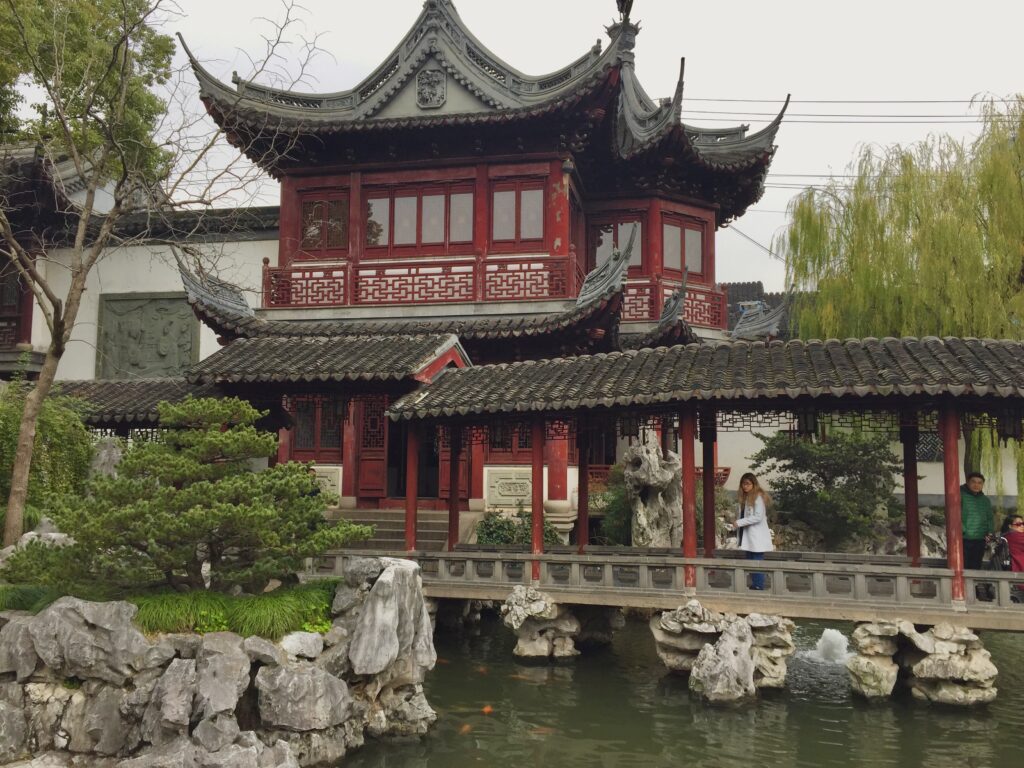
Of course, it doesn’t have seven UNESCO sites like Beijing, but it has its own virtues. My favorite spot was the Yuyuan Gardens, a breathtaking and tranquil place full of traditional Chinese architecture, trees and other plants, and a small canal. By the garden was the City God Temple, a Buddhist temple. We also visited the Museum of the First National Congress of the Chinese Communist Party, where we read a lot about the atrocities committed by westerners in the late 19th and early 20th centuries, much of which we don’t learn about, and a lot about the benevolence of the communist party, some of which was the expected sugar-coated propaganda.
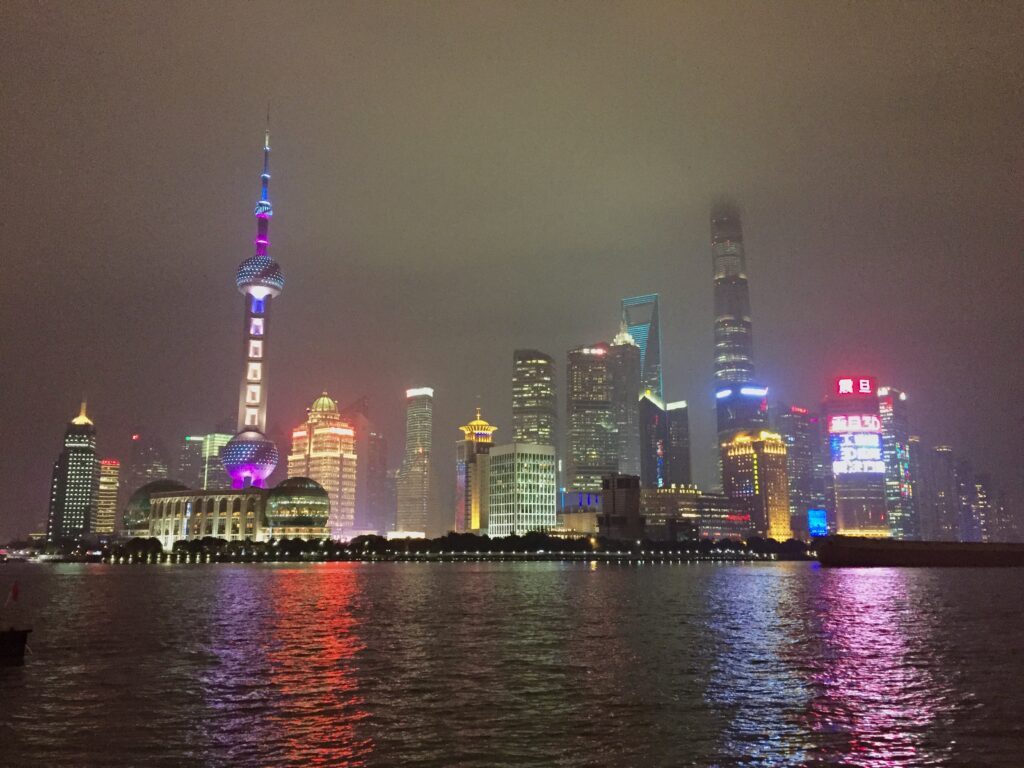
Otherwise Shanghai’s vibe very much fit my expectations, with a lot of skyscrapers, neon lights and shopping. The Yuyuan tourist mart near the gardens was full of new buildings constructed in the traditional Chinese architecture, containing tons of tourist shops and restaurants. I also visited the famous Nanjing Road, which resembles Times Square with all the neon signs bearing colorful Chinese characters, and the Bund, the famous skyline view of Shanghai. I wasn’t enthralled to see the skyscrapers and skyline, but the Bund really was spectacular in person. The air was also much cleaner in Shanghai compared to Beijing. This and its distance from the government are perhaps why Shanghai was noticeably more vibrant and lively. While the government’s secrecy and oppression drown Beijing in smog, Shanghai is far away living its best life.
Lately I’ve been trying to take advantage of the 10-year tourist visa I got for this first trip by visiting other places in China. I haven’t been back to either Beijing or Shanghai because I want to experience new places, but there’s a part of me that wants to visit again during spring or autumn, particularly Beijing now that the air quality is so much better. I do really want to go to a different section of the Great Wall for some hiking. Perhaps one day I’ll find myself back in one of these cities.