Trip notes
Was 5 days enough time?: Overall 5 nights, 6 days was enough time for me this time around, though I think people who want to visit more of the islands and do more hiking could easily fill up more than a week.
Traveled solo?: Yes, and felt very safe
Time of year: Early May. Due to the holiday period in Japan and China at the beginning of May, it was crowded my first few days there. After the holiday period ended it was not nearly as crowded.
Weather: Mostly cloudy, one somewhat sunny day and one mostly rainy day, hot and humid throughout
Who I think would particularly enjoy Hong Kong: People who want to spend their days hiking and/or at the beach, and their evenings in a busy city eating cheap and delicious Michelin Guide food. Also people who like trams.
What I read in Hong Kong
- The Impossible City by Karen Cheung: part memoir, part journalism about life in Hong Kong
- Love in a Fallen City by Eileen Chang: a collection of short stories from a celebrated writer
- The Borrowed by Chan Ho-Kei: a collection of detective stories told over several decades of Hong Kong’s history
Local bookstore: Hong Kong Reader sells books on politics, philosophy, and many other topics in both Chinese and English.
What I did in Hong Kong
In her memoir about growing up in Hong Kong, Karen Cheung mentions the “myth” that Hong Kong was a fishing village that became a massive city. This had always been my image of Hong Kong. And as the world’s third-ranked global financial center and the city with the most skyscrapers, Hong Kong’s development in the last century or so is certainly remarkable. But as I have discovered, this popular fantasy of it as a fishing village before it exploded into a major city is not entirely true.
Hong Kong has been inhabited by humans since at least 6,000 years ago and did not become part of China until 214 BCE when the Qin dynasty conquered the indigenous Baiyue people. The southern court of the Song dynasty was actually briefly located in what is now Kowloon City during the Mongol conquest. It was an area with farming and fishing villages that was active in trade before maritime trade was banned and the region was forcibly cleared in the late 1600s. The following emperor lifted the trade embargo a few years later and it became a bustling port by the time the British took over during the Opium Wars in the mid-1800s. Since then it has exploded into a massive metropolis, and that is the more complex pre-British history of the city of Hong Kong.
Today, Hong Kong’s 1,114 square kilometer territory makes up the fourth most densely populated region in the world. But Hong Kong isn’t just an endless cityscape. Outside the urban centers of Hong Kong and the Kowloon Peninsula, there are vast parks and nature reserves with rich biodiversity spread out across the more than 200 islands contained within Hong Kong’s territory. This really surprised me while I was doing my research on Hong Kong before deciding to travel there.
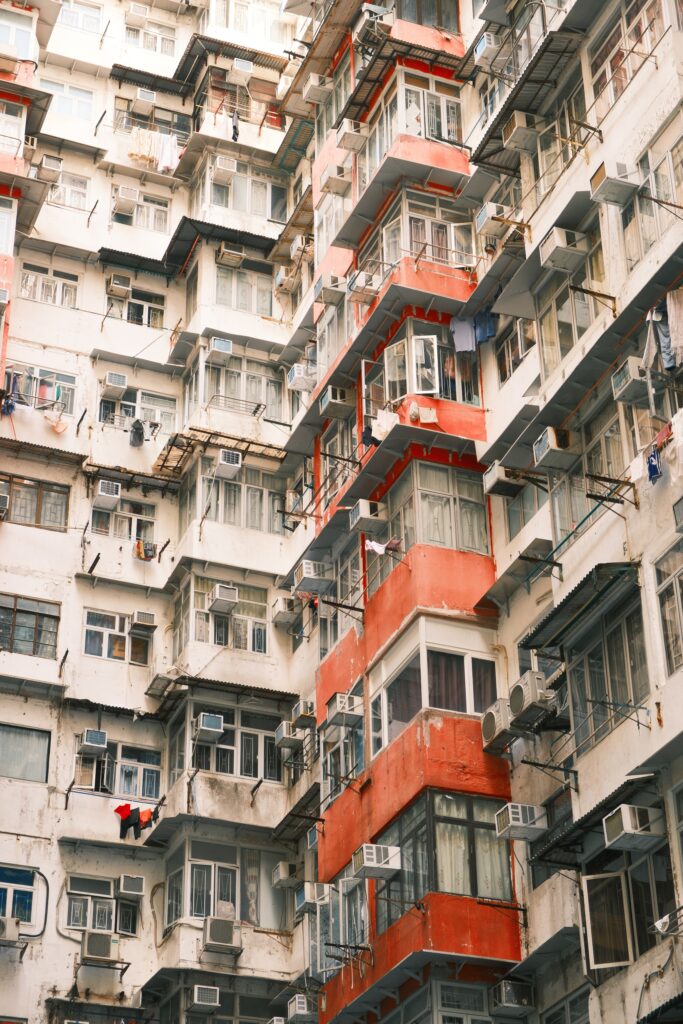
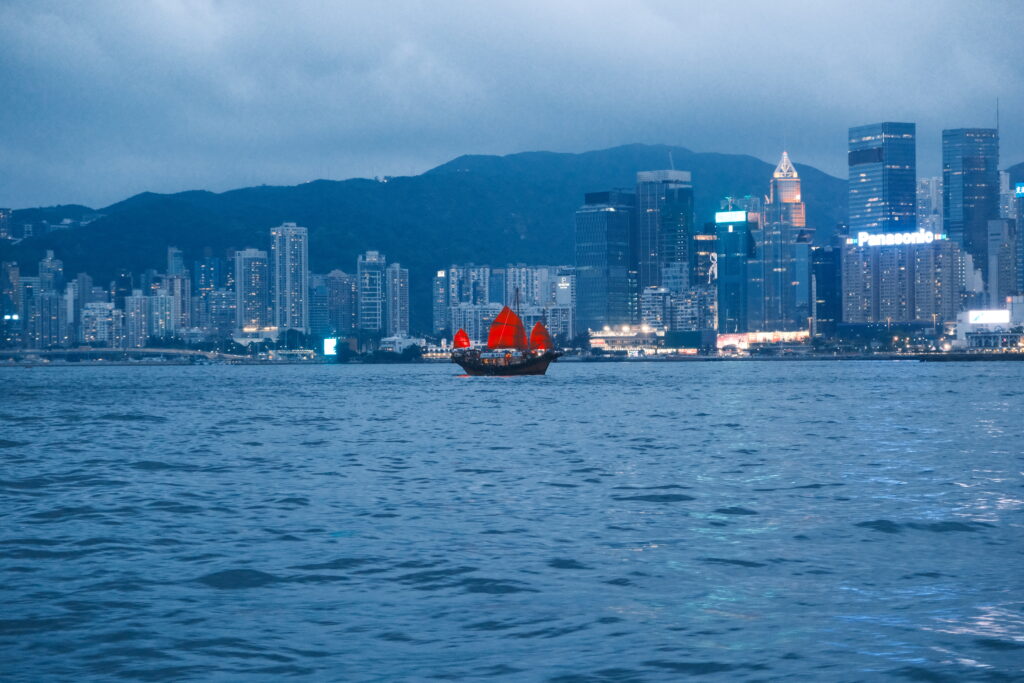
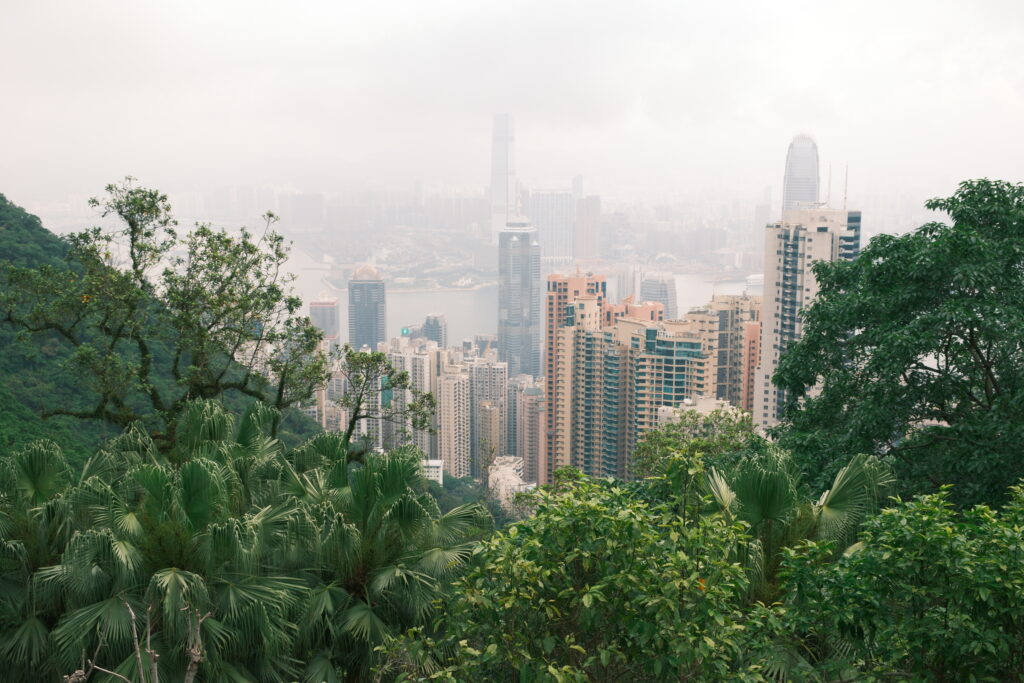
Most travel photos of Hong Kong I see focus on buildings wedged closely together, the skyline’s skyscrapers, neon signs – but so much of Hong Kong does not reflect that. You could easily turn a trip to Hong Kong into a beach and hiking trip, and if the weather had been better while I was there, I definitely would have spent my time at the beach or hiking during the day, and enjoyed the city and the food at night. Currently Hong Kong is trying to market itself as “Asia’s Events Capital,” but in my admittedly narrow perspective as someone who has spent a mere 5 days there, this does not reflect the most attractive aspects of Hong Kong. I think Hong Kong could attract more adventure travellers and beachgoers by advertising its UNESCO Geopark and many islands.
Of course, many travelers are wary of visiting Hong Kong because of the bad press it has garnered in the past decade. Governed by one colonial power and then another, Hong Kongers want to govern themselves but have been denied their sovereignty. In 1997, the United Kingdom handed Hong Kong over to China after the expiration of its 99-year lease, upon which a “one party, two systems,” principle as laid out in a joint declaration between China and the UK came into effect. This declaration guarantees the Basic Law of Hong Kong until 2047, but fails to specify how Hong Kong will be governed afterwards, leaving Hong Kongers with an uncertain future. The Umbrella Revolution in 2014 and the protests in 2019-2020 were responses to China reforming Hong Kong’s laws. In 2021 China changed Hong Kong’s electoral system so that candidates must be evaluated and approved for their “patriotism” in order to be eligible. Now many pro-democracy politicians and activists live in exile.
Hong Kong is in a troubling state of flux with an uncertain future ahead of it. Given that, I don’t see any ethical dilemma in traveling to Hong Kong to enjoy its food and nature, and to support the people of Hong Kong with your money. But it is important to be aware of these issues when traveling there. You can stand with the people of Hong Kong by resisting authoritarianism wherever you happen to be.
Local recommendations
I asked a friend who went to university in Hong Kong (he said “you visit Hong Kong mostly for food”), and also got some recommendations from my sister’s friend who grew up there.
Sites
- The Peak
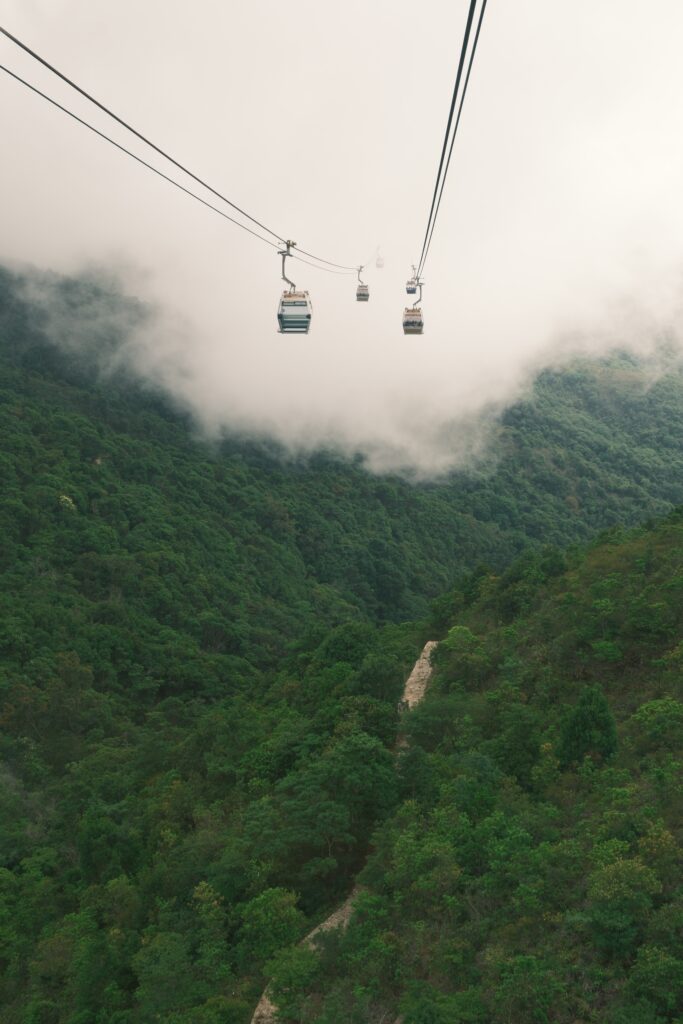
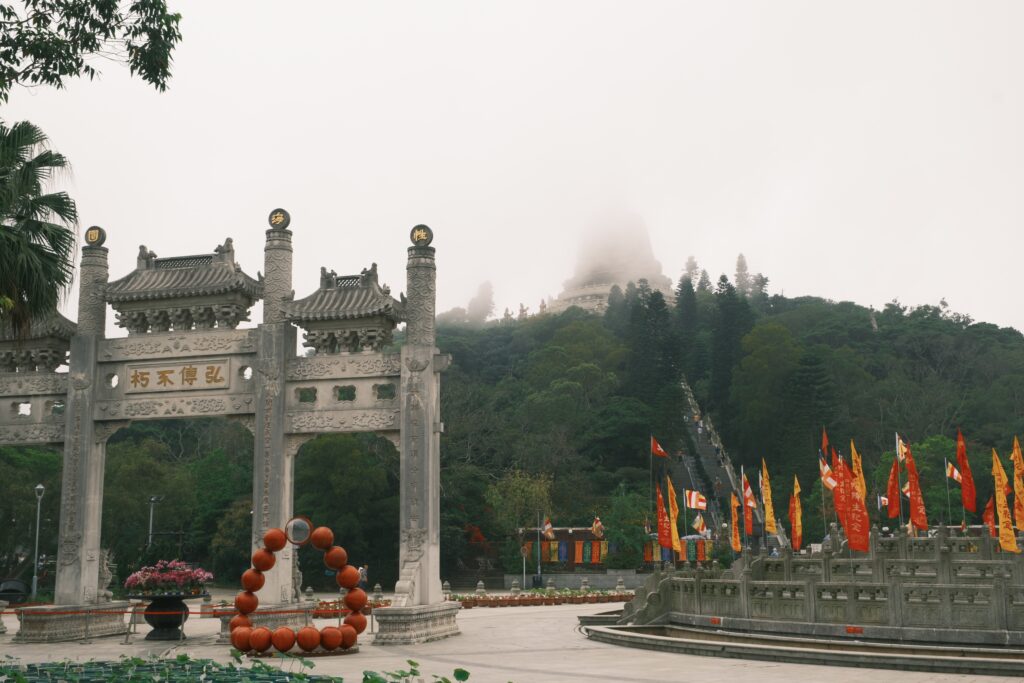
- The Ngong Ping 360 ropeway and Giant Buddha on Lantau Island
- Ferry ride from Tsim Sha Tsui to Hong Kong island
- Tram ride on Hong Kong island
- Temple Street night market
- Cheung Chau Island
Food
- Mak Noodle: Beef wonton noodles
- Bakehouse: Egg tart
- Australian Dairy Company: Egg sandwich and milk tea
Eats
- Dim Dim Sum Jordan for dim sum
- Kai Kai Dessert for tangyuan
- Islam Food for Halal food
- Fat Boy Shop for octopus skewers
- Tim Ho Wan for dim Sum
- Trusty Congee King for congee
- Yee Shun Milk Company for steamed milk pudding
- Twist & Buckle for churros
Favorites
- The Peak
- Ropeway and giant Buddha on Lantau Island
- Tram ride on Hong Kong island
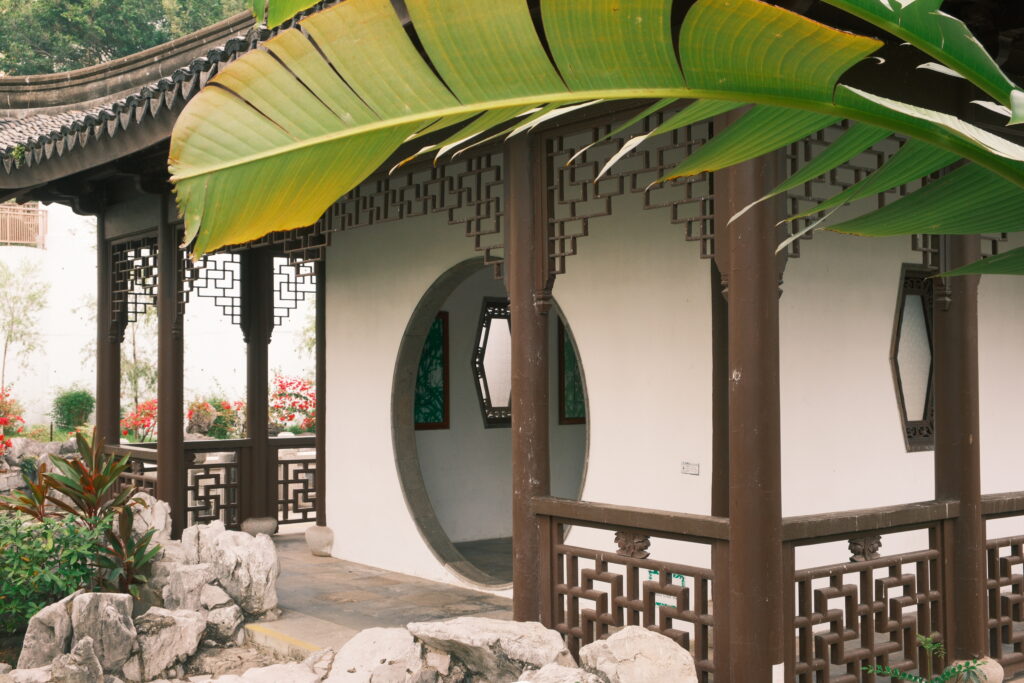
- Kowloon Walled City Park
- The consistently scrumptious food
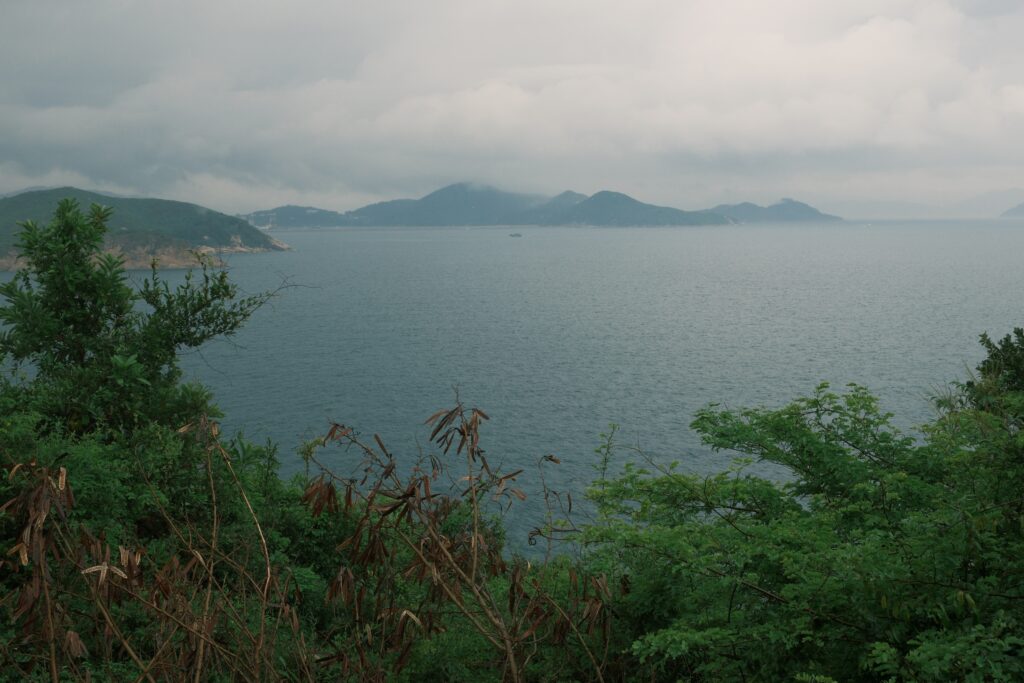
- The island and coastal views and vibes
During my trip to Hong Kong I also took a day trip to Macau.
What I would do differently
If my last full day there hadn’t been rainy, I would have loved to hike the Dragon’s Back trail to Big Wave Bay Beach then walk down to Shek O Beach. I also would have liked to explore the UNESCO Geopark, particularly Sharp Island and Sai Kung. and check out the relaxing hippie vibes on Lamma Island.