Note: I originally wrote this post in 2017 for my old blog. I have edited and updated it for posting here.
When I visited Sofia in 2017, I did not do it justice. I had heard it was a good place for budget travelers and found a cheap weekend flight to the city, which I decided to take advantage of. But I only stayed two nights, which was a fair amount of time to explore some of the city but not enough to explore any of the surrounding nature. This trip also taught me that I should stay at least 3 or 4 nights if I’m going to take a short flight somewhere. Not that I regret my trip to Sofia, but I should have either stayed a day or two longer or gone somewhere closer to where I was living.
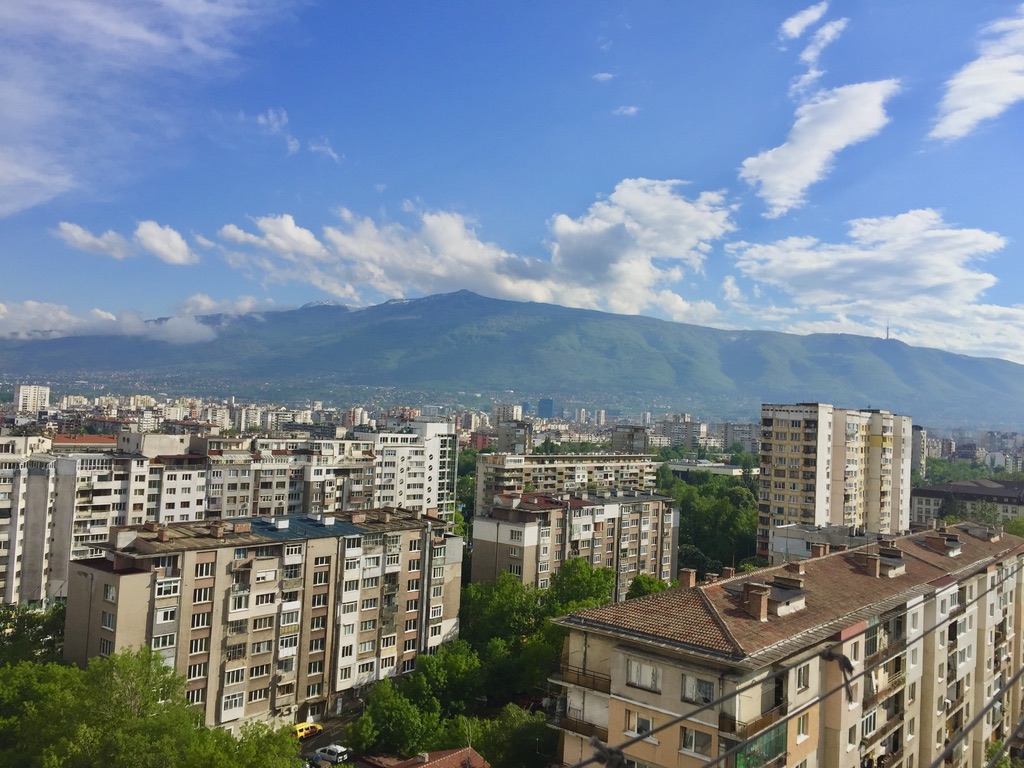
I didn’t know much about Bulgaria before I visited. Many outside of Europe may be familiar with Bulgaria through Harry Potter, as the homeland of the character Viktor Krum. This, obviously, teaches you nothing about Bulgaria, including its naming conventions and climate. Bulgarians are a Slavic people who speak a Slavic language and use the Cyrillic alphabet. It is part of the Balkan region and borders Greece to the north. Sofia is the capital of Bulgaria and its largest city with 1.28 million inhabitants, accounting for quite a chunk of the country’s total population of 6.4 million people. As a European capital city it is unique because it is not situated on a river or on the coast but rather at the foot of a mountain, Vitosha Mountain. Sofia is also home to one UNESCO World Heritage Site, Boyana Church, which is located on the outskirts of the city and on the side of Vitosha Mountain.
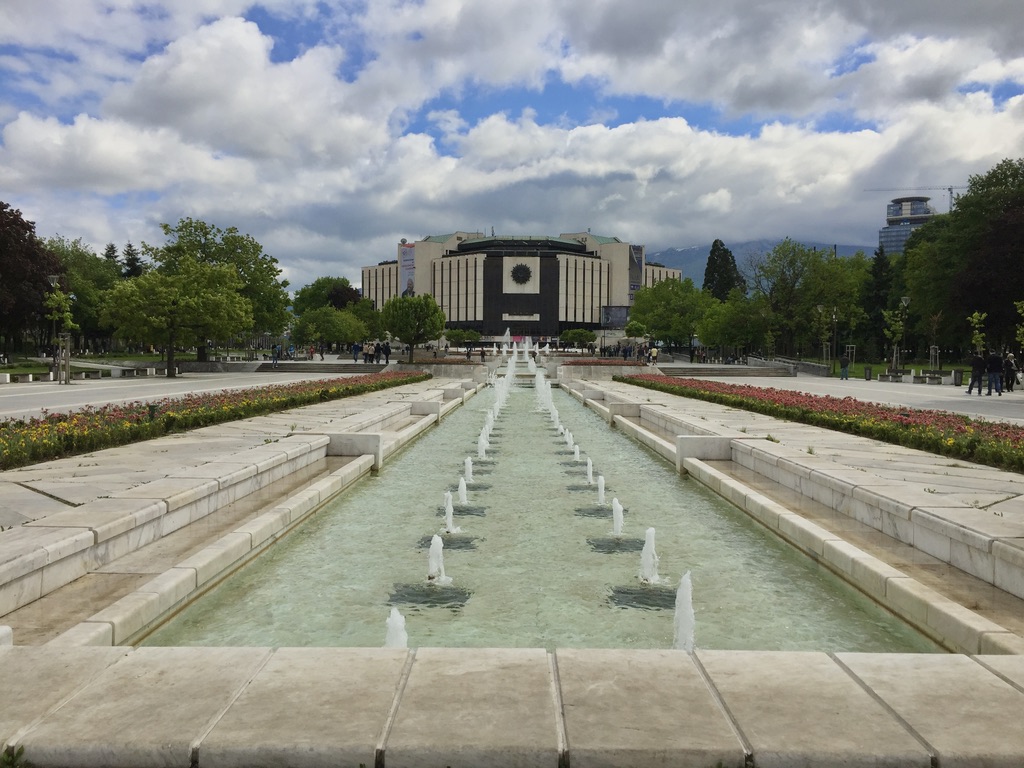
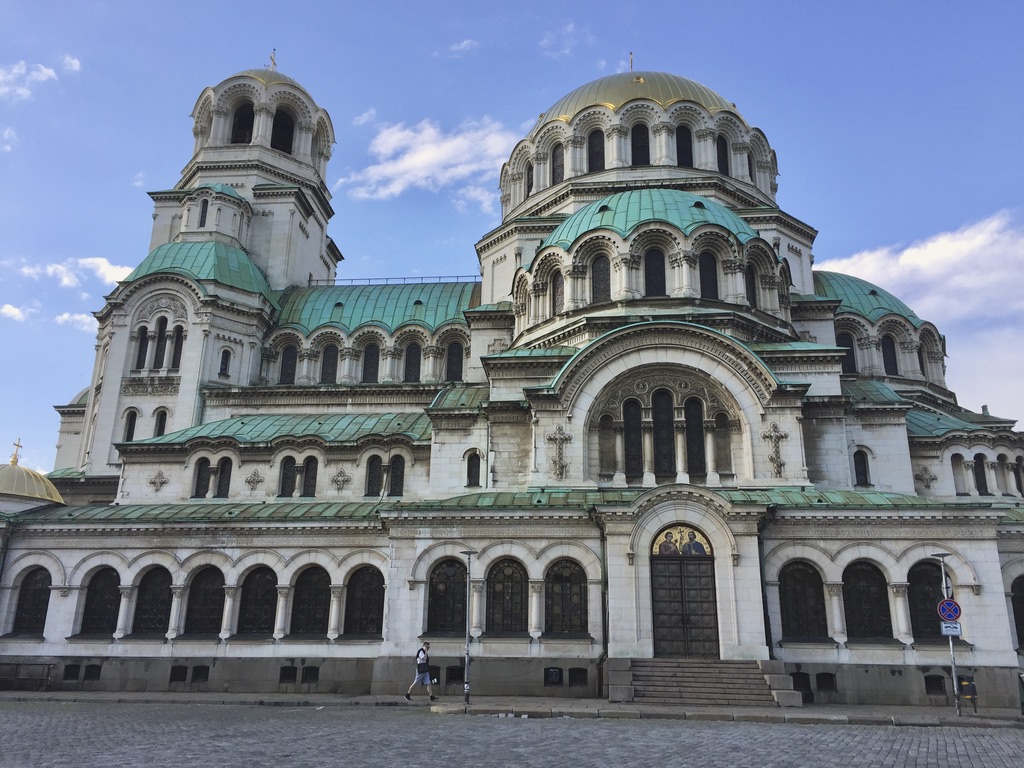
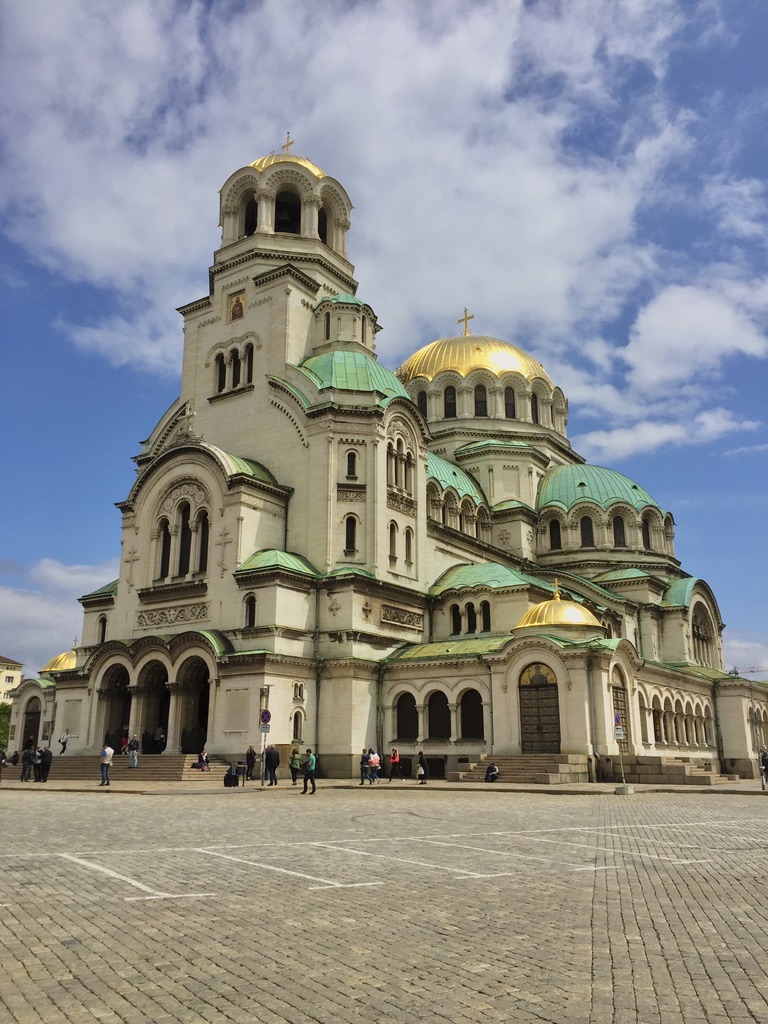
Sofia’s most popular and recognizable attraction is the St. Alexander Nevsky Cathedral, a beautiful orthodox cathedral constructed in the Byzantine style. The Sofia Church of St. George, a stone church from the 4th century, is located in the city center and is the oldest building in the city. Next to the church you can see the ruins of the ancient city of Serdika. I also visited the sprawling Borisova Gradina Park and the plaza in front of the National Palace of Culture. I also had a very memorable Bulgarian meal at Hadjidraganov’s House Restaurant, an old house with traditional decor that had such a cozy atmosphere. It was the perfect place for me to try rakia, the extremely strong alcohol that’s a staple in Bulgaria and other Balkan countries.
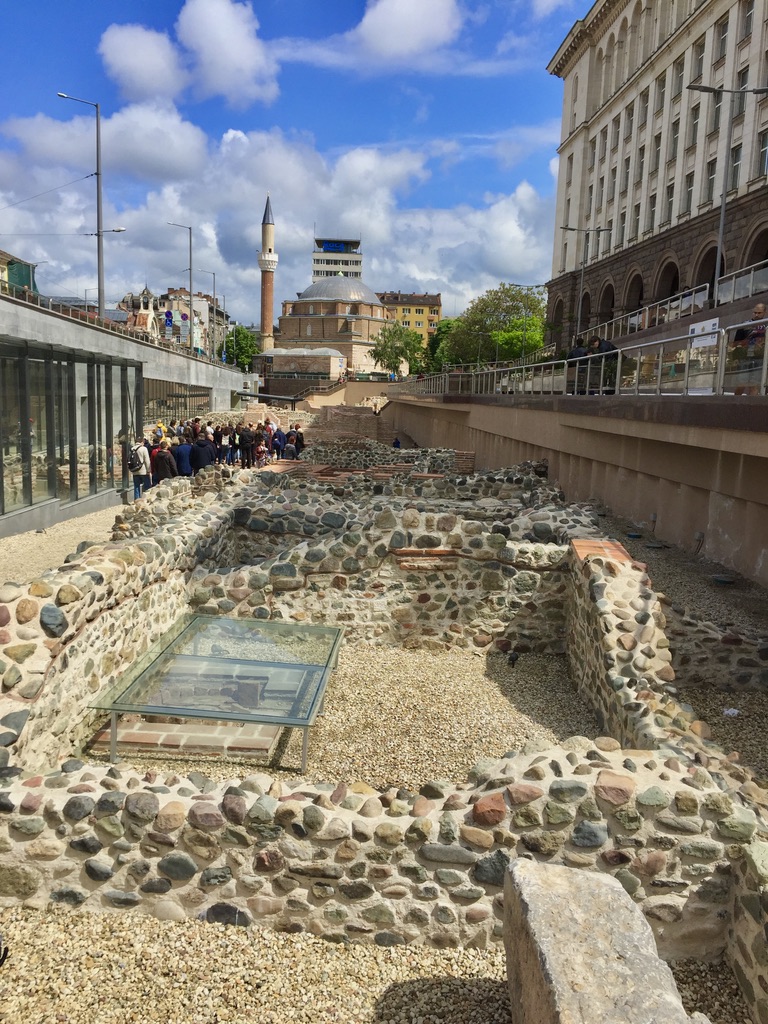
Sofia claims to be the second oldest city in Europe. It was first occupied by the Thracians, who in the 3rd century BC were conquered by the Celtic tribe of Serdi, giving the city its first name, Serdika. The Serdi were assimilated by the Thracians and in the 500s BC the city became part of a united Thracian state. In 339 BC the city was destroyed by Philip II of Macedon, who was the father of Alexander the Great. In 29 BC Serdika was conquered by the Romans and eventually became the most important city in the region. A few centuries later it became one of the first Roman cities where Christianity was an official religion. When the Roman Empire was split, Serdika was part of the Eastern half that became the Byzantine Empire, and Constantine the Great considered making it the Byzantine capital city, but chose what is today Istanbul instead. In 447 Serdika was destroyed by the Huns and laid in ruins for about a century until Emperor Justinian I rebuilt it, after which the city flourished.
A few centuries later, Serdika was conquered by the Bulgars, who probably invaded from Central Asia, and it became part of the First Bulgarian Empire. During the next few centuries it was conquered by the Byzantines again, and then the Bulgarians again, until finally it was seized by the Ottomans in 1382. It was shortly before this that some people started calling it Sofia, after the Temple of Sofia within the city, and to the Ottomans the city became known as “Sofya.”
In 1878 during the Russo-Turkish War Sofia was liberated by the Russians and the Bulgarians established an independent kingdom, with Sofia as its capital. In the decades afterwards Sofia experienced a population boom, mainly from Bulgarians moving to the city from other parts of the country. Bulgaria became an authoritarian state under the influence of the Soviet Union in 1945 and then a democracy after the fall of the Berlin Wall, and Sofia has remained the capital.
I certainly didn’t stay long enough to appreciate Sofia or Bulgaria’s history and culture. I would not recommend staying just two nights there, as I think Sofia and the surrounding nature deserve more attention. I learned to not rush my travels during this trip, but I’m still glad I gave myself the chance to get a taste of this lovely city.