Note: I originally wrote this post in 2017 for my old blog. I have edited and updated it for posting here.
What to read in Venice
- Invisible Cities by Italo Calvino: A fictional and fantastical guide to Venice in which Marco Polo, who was from Venice, describes different versions of the city to Kublai Khan
- Death in Venice by Thomas Mann: A novella about a German writer’s visit to Venice
- The Merchant of Venice and Othello by William Shakespeare: Venice serves as the setting for both of these plays, one a comedy and one a tragedy, though whether Shakespeare ever actually visited Venice is unknown
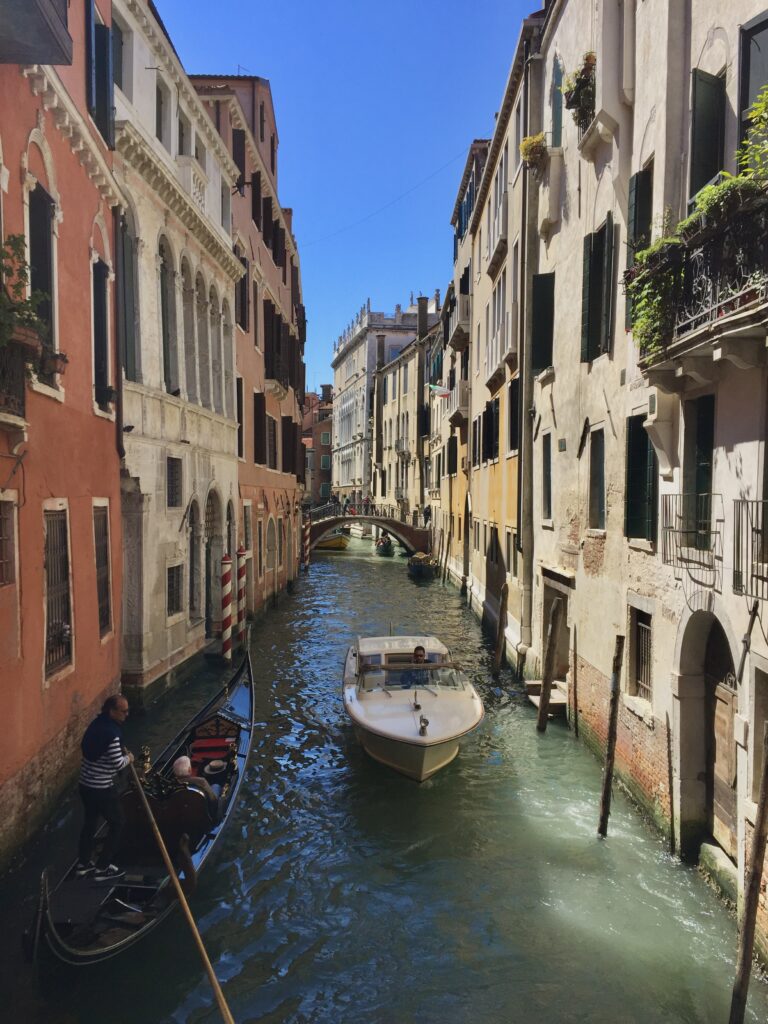
My Weekend in Venice
Venice is never compared to other cities; rather, other cities are compared to Venice. While cities like Amsterdam and Bruges have been dubbed “The Venice of the North,” Venice itself needs no introduction. And yet introducing it is what I am about to do.
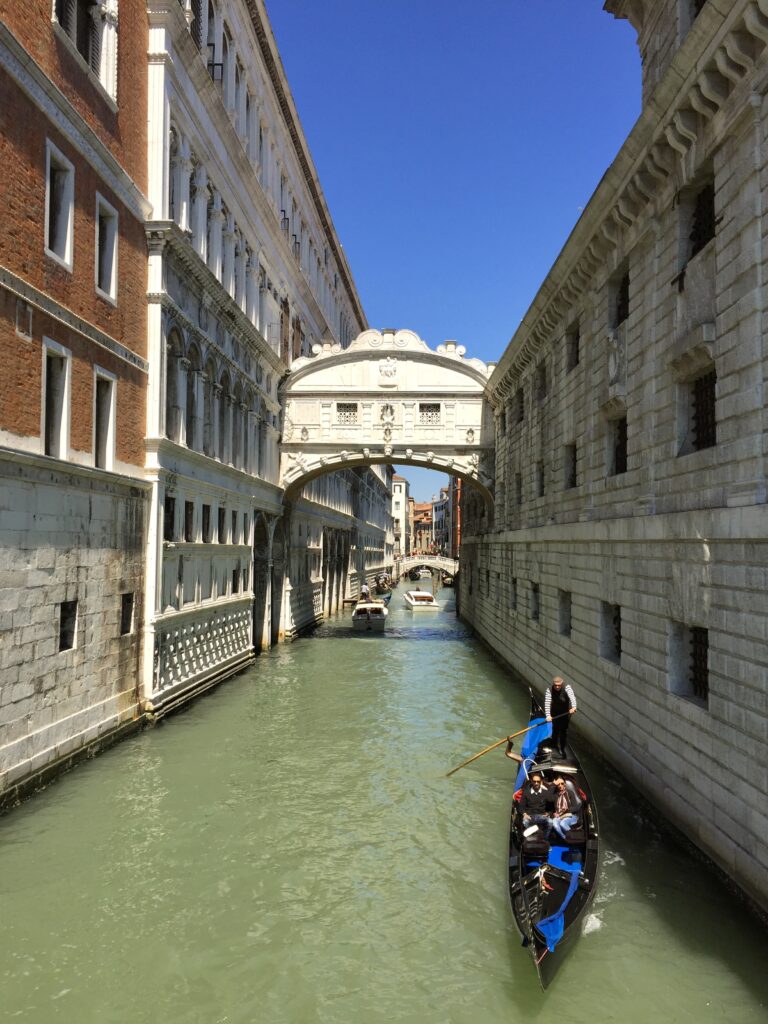
The famous city of canals consists of 118 small islands connected by hundreds of bridges of varying sizes, most of them small. Nowadays the commune of Venice includes a section of the mainland, but the collection of islands is the historical center and is the part that has been designated a UNESCO World Heritage Site. About 55,000 people reside in this historic center of Venice, and about 200,000 more people live in the mainland part. It is also the capital of the Veneto region of Italy.
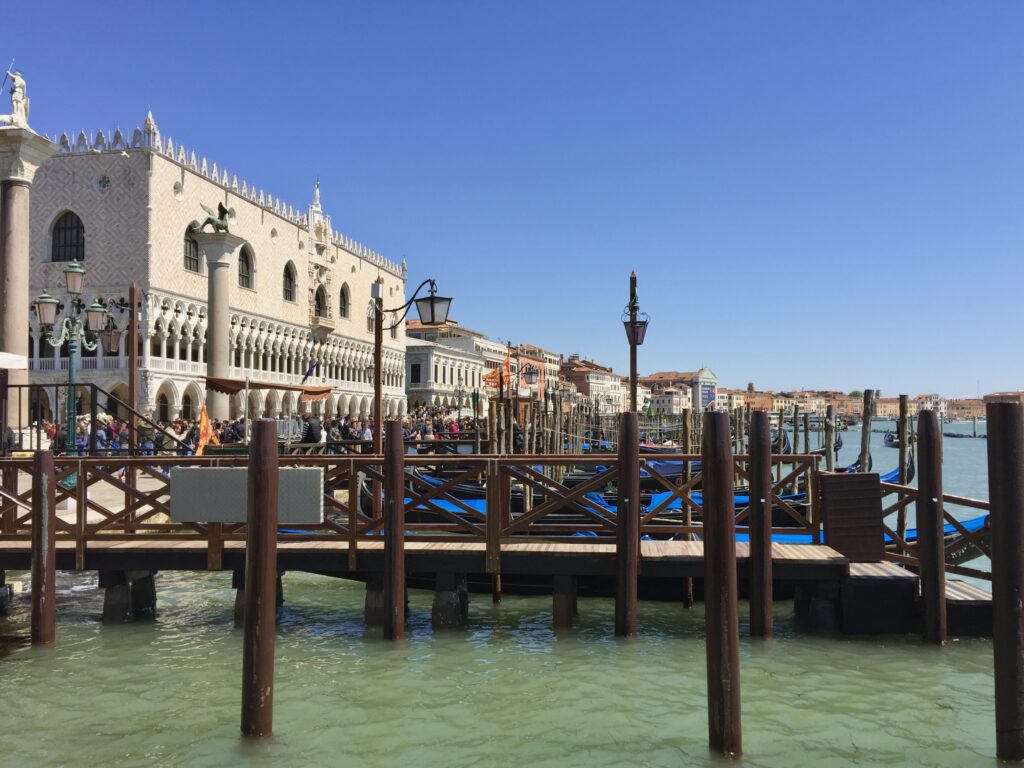
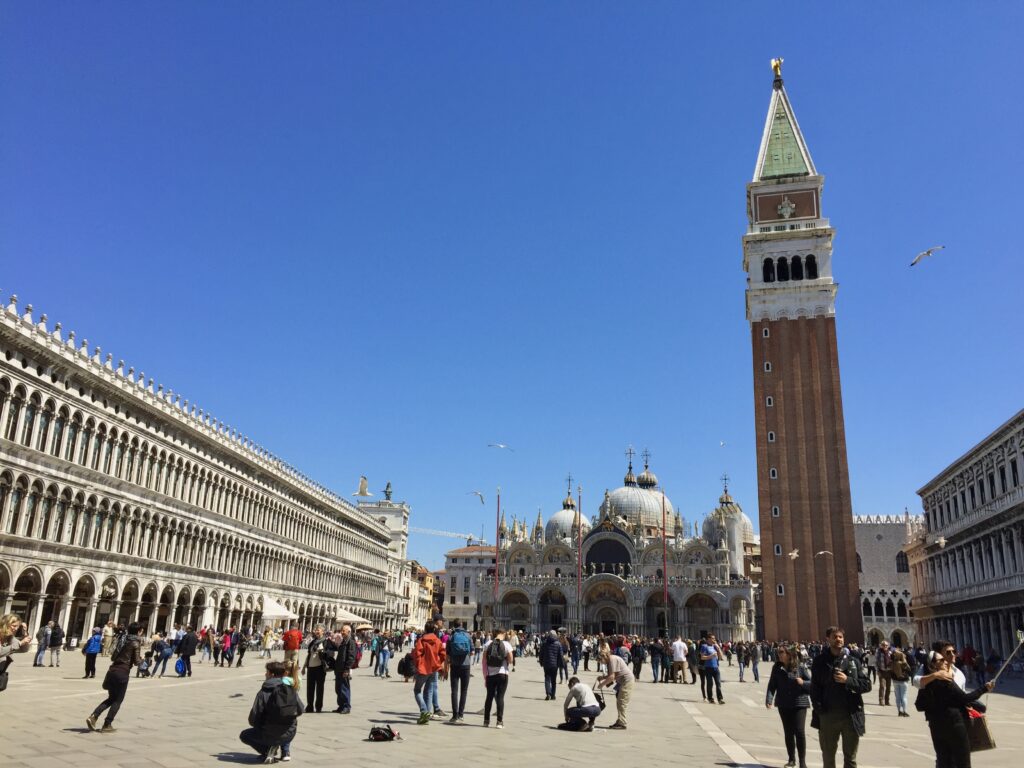
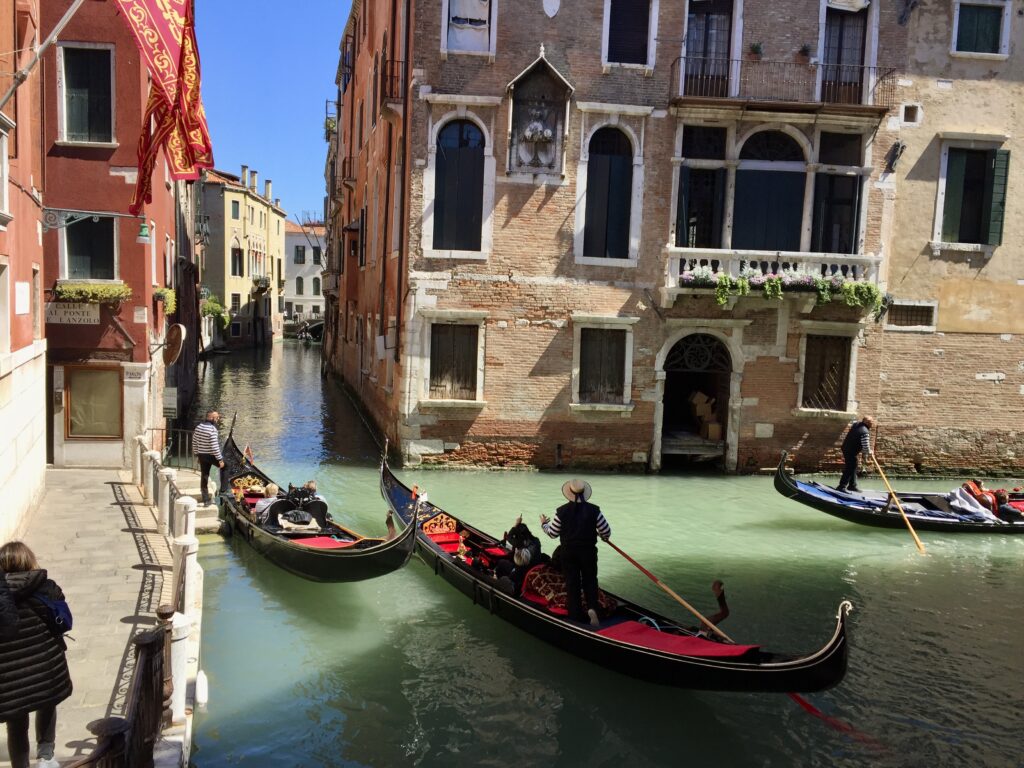
Venice, as you are likely aware, is one of the world’s most popular tourist destinations. About 50,000 tourists visit each day, and sometimes during the peak season in the spring and summer, tourists outnumber residents 2:1. The main square, Piazza San Marco, was flooded with people during my visit. Besides the Basilica di San Marco, I did not visit any of the major attractions that require admission. They are expensive and at the time I was a poor fresh graduate, but the main reason is the lines were very long. Perhaps one day before it sinks into the Adriatic Sea I’ll return to Venice to visit the Palazzo Ducale and its museum, and to climb the Campanile di San Marco. If I do go back I’ll definitely go during the off season. What I did during my weekend there was walk around, which was definitely a worthwhile way to spend my time. No matter how many tourists happen to be visiting, you can always find less crowded or empty small streets not far away. Because it is not possible to walk along many of the smaller canals due to a lack of sidewalks, walking through Venice often feels like exploring a maze. That alone makes it worth a visit.
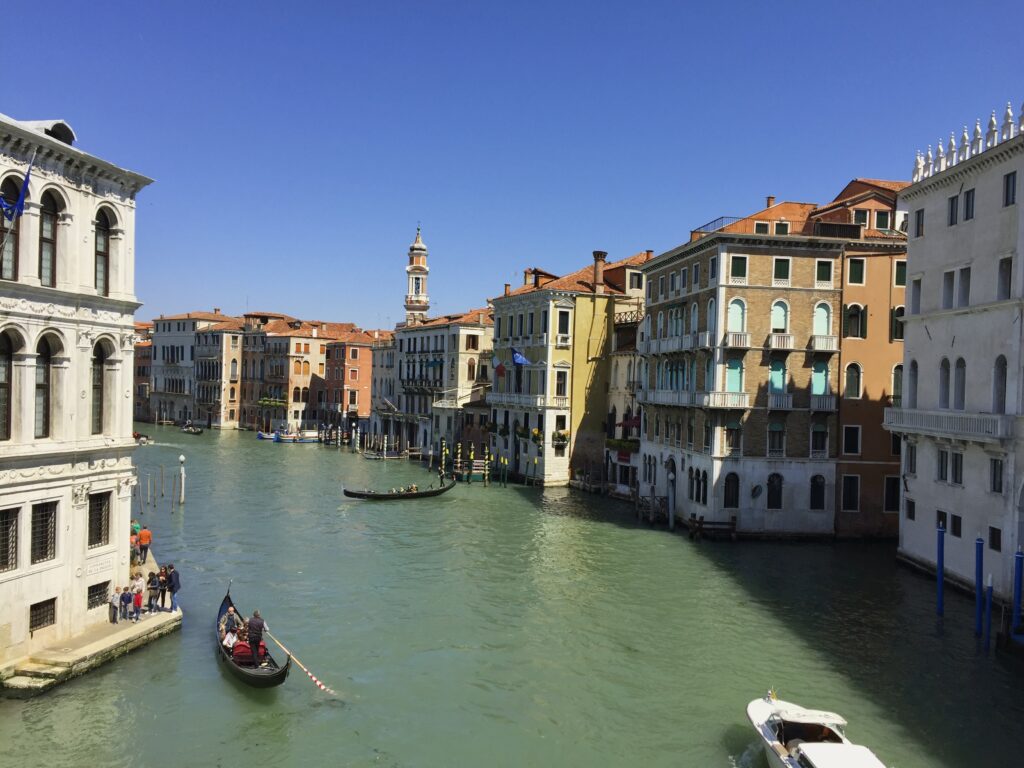

About Venice
Venice and the region of Veneto get their names from the Veneti people that inhabited the region around 900 BC. However, these people most likely never inhabited the islands of Venice. Though the details of Venice’s foundation are unknown, most historians believe that it was originally populated by refugees from Roman cities nearby who were fleeing Germanic, and later Hun, invasions. After the fall of the Western Roman empire, a small section of the coast including Venice remained part of the Byzantine Empire, but because of its isolation it gradually became more autonomous. In the 8th century the Republic of Venice was established and it existed until 1797. Its official name in English was the “Most Serene Republic of Venice.” It was ruled by a doge, the Venetian dialect word for “duke” that nowadays has a much different connotation in English. The doge resided in the Palazzo Ducale and presided over what is apparently called a “thalassocracy,” or an empire of the sea.
During the Middle Ages, Venice was an important center of the Renaissance. It was also a major financial power, and is considered to have been the first real international financial center. This made Venice one of the richest cities in the world for most of its history. As a thalassocracy, Venice exerted control over the Adriatic Sea and traded extensively with the Byzantines as well as the Muslim world, and became a major trade partner for the Ottoman Empire after it was established. I really enjoyed this video on the history of trade and relations between Venice and the Ottomans from CrashCourse.
The Republic of Venice came to an end after the Napoleonic Wars when it was annexed by the Austrian Empire, though it became part of the Kingdom of Italy shortly afterwards in 1866. Luckily, during WWII Venice was mostly free of attack and damage, meaning the architecture that visitors see today is largely the same as it has been for centuries. Nowadays, tourists flock to see this architecture and the canals running through it, and it is still considered one of the most beautiful cities in the world.
Of course, this has caused overtourism to be a serious problem in Venice. So should you visit? Though some consider Venice to be a tourist trap, overall I thought it was a lovely place to explore, and you can find a quiet spot even on its most crowded days. Still, were I to visit again, I would go in the off season.