Note: I originally wrote this post in 2017 for my old blog. I have edited and updated it for posting here.
After studying Spanish for four years in high school, I finally got to practice my Spanish on a trip to Spain. After the first day, it went pretty smoothly! Though hearing the people in Spain speak Spanish also made me realize how little I know, or at least how difficult it still is for me to understand their rapid-fire Spanish. It made me wish Spanish was my native language, because it sounds so much more beautiful to me than English. I was reminded of that scene in Vicky Cristina Barcelona when Penelope Cruz asks Scarlett Johansson why she chose to study Mandarin Chinese instead of Spanish. Scarlett says she thought it was beautiful, and after giving Penelope an example greeting in Mandarin, Penelope responds with a credulous “You think that’s beautiful?” and then proceeds to angrily rant in Spanish. Even the people who grow up speaking Spanish, to whom Spanish is nothing exotic or exciting, understand how beautiful it is better than anyone. And they’re right, of course.
Is Spain the country as beautiful as Spanish the language? This is of course a matter of opinion, but the evidence suggests so. Spain is the third most visited country in the world, behind only France and the United States, with Barcelona being its most visited city.
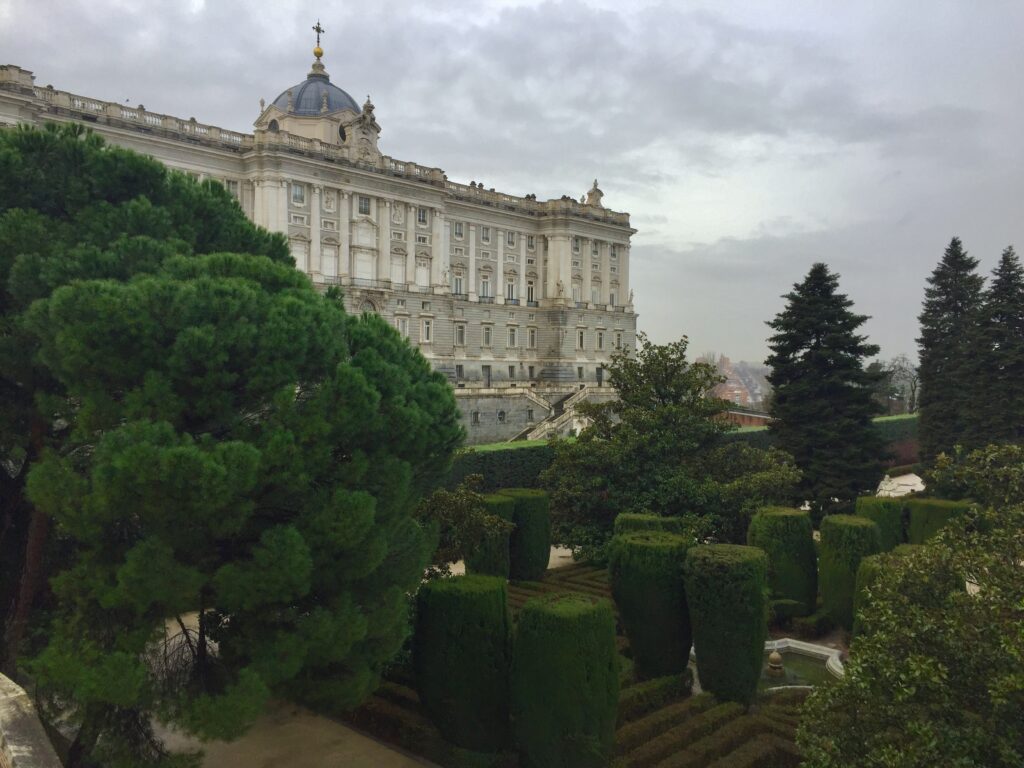
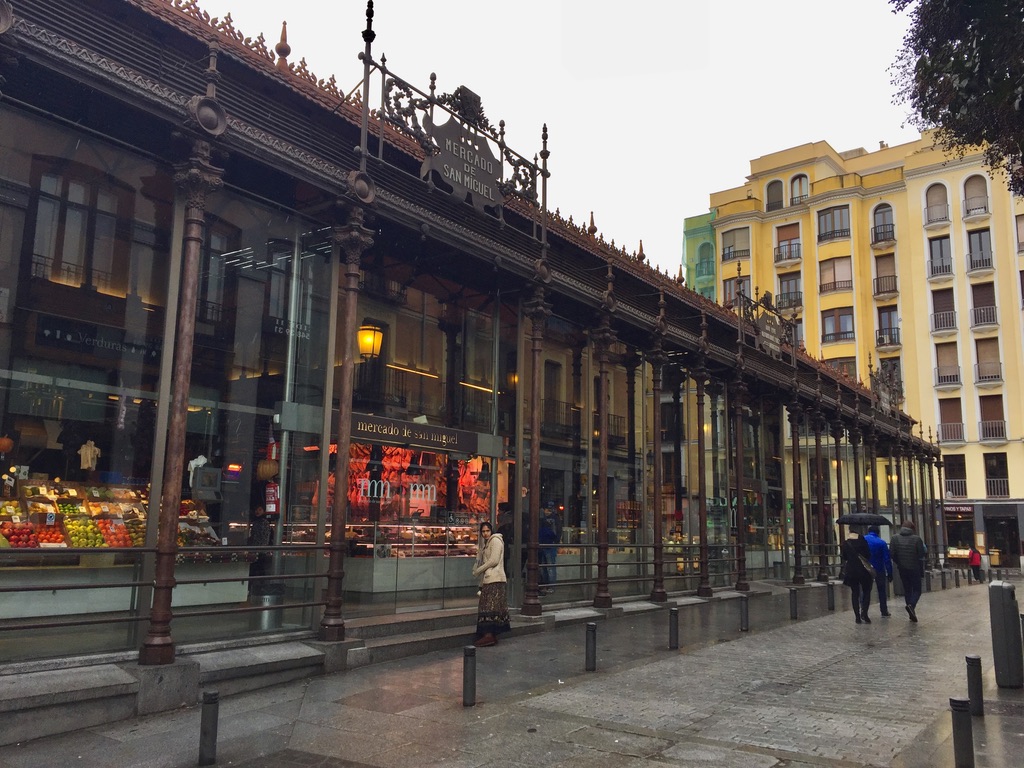
I visited Madrid and Barcelona in mid-February of 2017. It rained my first two days in Madrid, but what felt like mid-fall weather to me was a nice break from winter in Austria, where I was living at the time. Madrid is a lovely city with great food and art museums that hold some of the world’s masterpieces, like the Museo Nacional del Prado and the Thyssen-Bornemisza Museum, both of which I visited and highly recommend. However, at the time of my visit I was struck by how standard European rather than uniquely Spanish it felt to me. There wasn’t really anything that made it stand out from other major European cities, other than the Spanish being spoken and the Mercado de San Miguel. I suppose this makes sense considering Madrid was home to the royal family, containing standard royal fare like palaces and gardens. One thing that struck me as wholly unique was the at least six male peacocks I saw just strolling around part of El Retiro Park. But overall, I personally didn’t feel like I was in a place that matched my perception of Spain until I took a day trip outside of Madrid and rode a train through the hilly, shrubby landscape, which was very different from anywhere else I have been in Europe. I liked Madrid and I think it’s worth visiting, but at least to me, outside the city is where it really feels like you’re in Spain.
Madrid still has a unique history compared to other Western European countries. The first records of an established community in the area that would become Madrid date from the Muslim age, when Emir Muhammed I built a fortress there. When the Christians conquered the area in 1085 it was incorporated into the kingdom of Castile. Starting in 1309, the Courts of Castile convened in Madrid sometimes, and even more often after the unification of the kingdoms of Spain. Between 1531 and 1594 the population grew rapidly and Madrid became the capital of Spain in 1561, when Philip II moved his court to the city and built a castle. During the Spanish Civil War it was one of the most heavily damaged cities, but the economic boom in Spain during the sixties and seventies caused it to become an economic powerhouse in Spain as well as Europe. It has a population of 3.2 million people, which makes it the third most populous city in Europe.
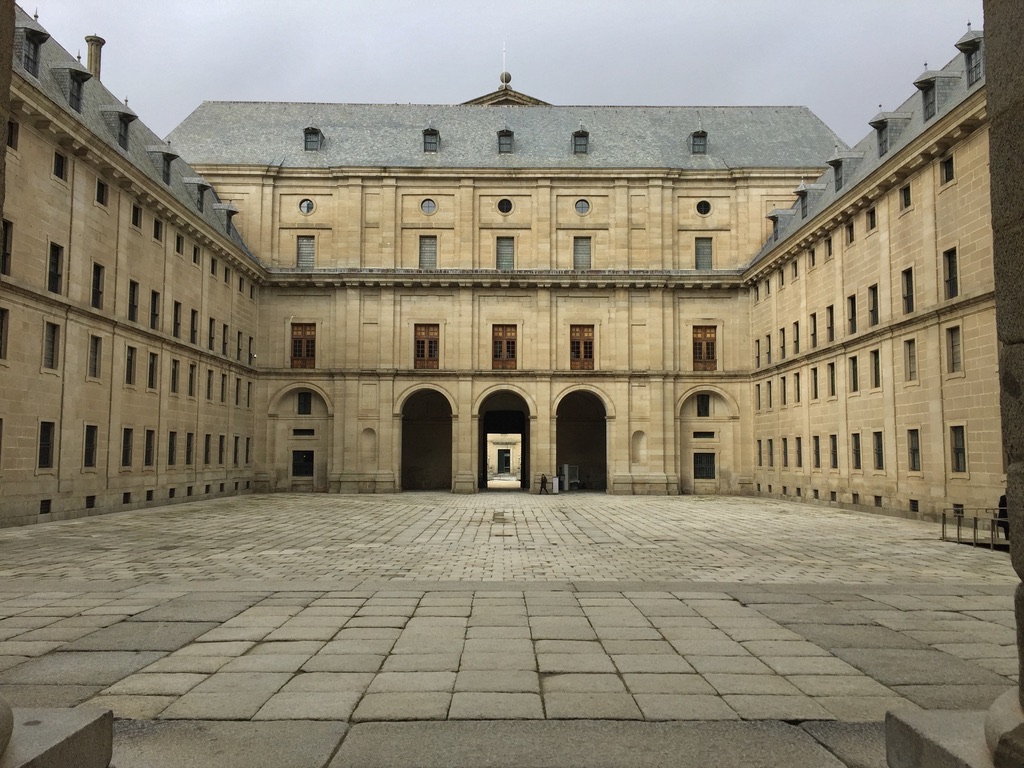
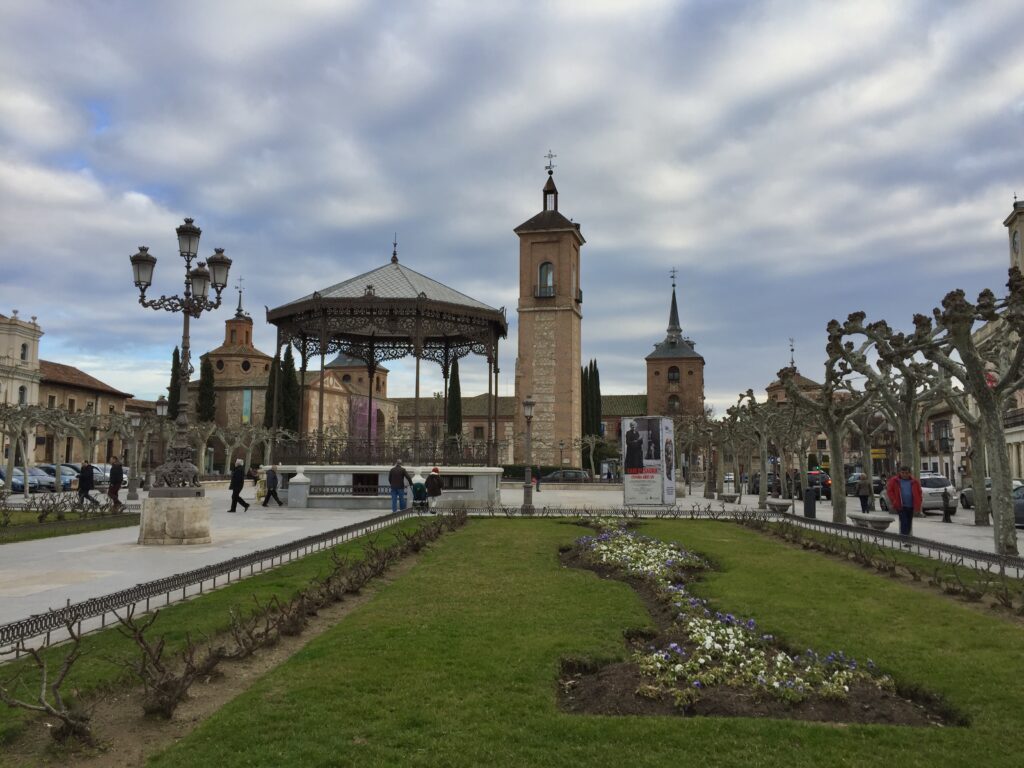
When I visited Madrid, I also visited the Royal Site of San Lorenzo de El Escorial north of Madrid, a monastery and historical residence of the King of Spain, and Alcalá de Henares, the birth city of Miguel de Cervantes. Both are UNESCO World Heritage Sites.
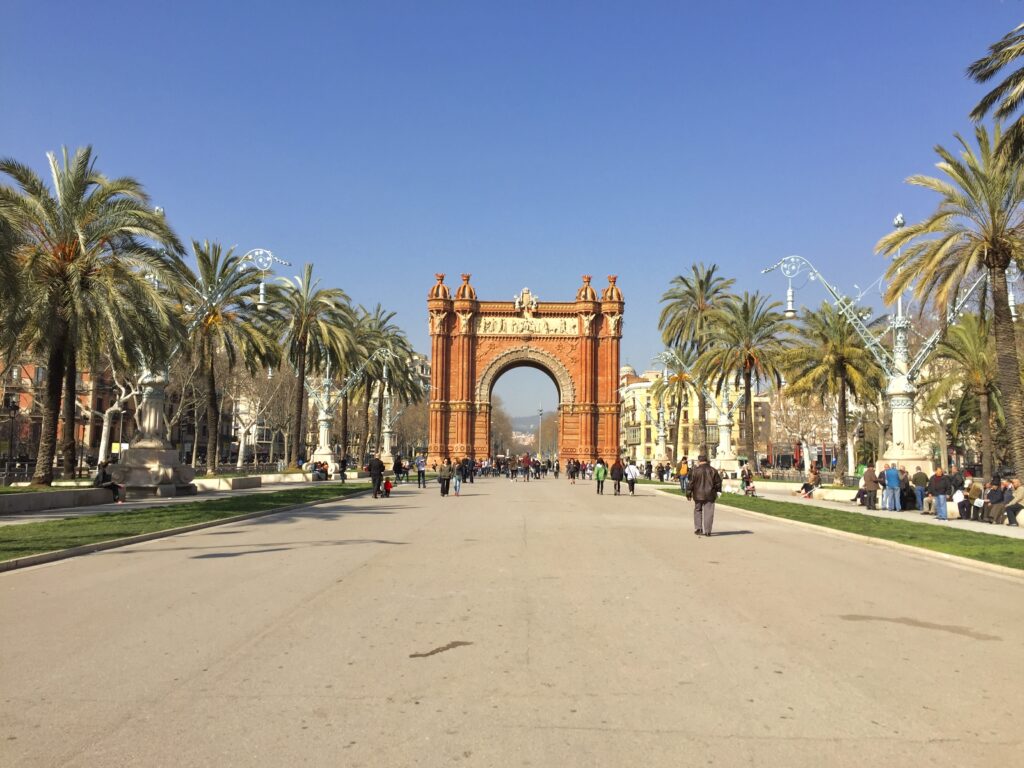
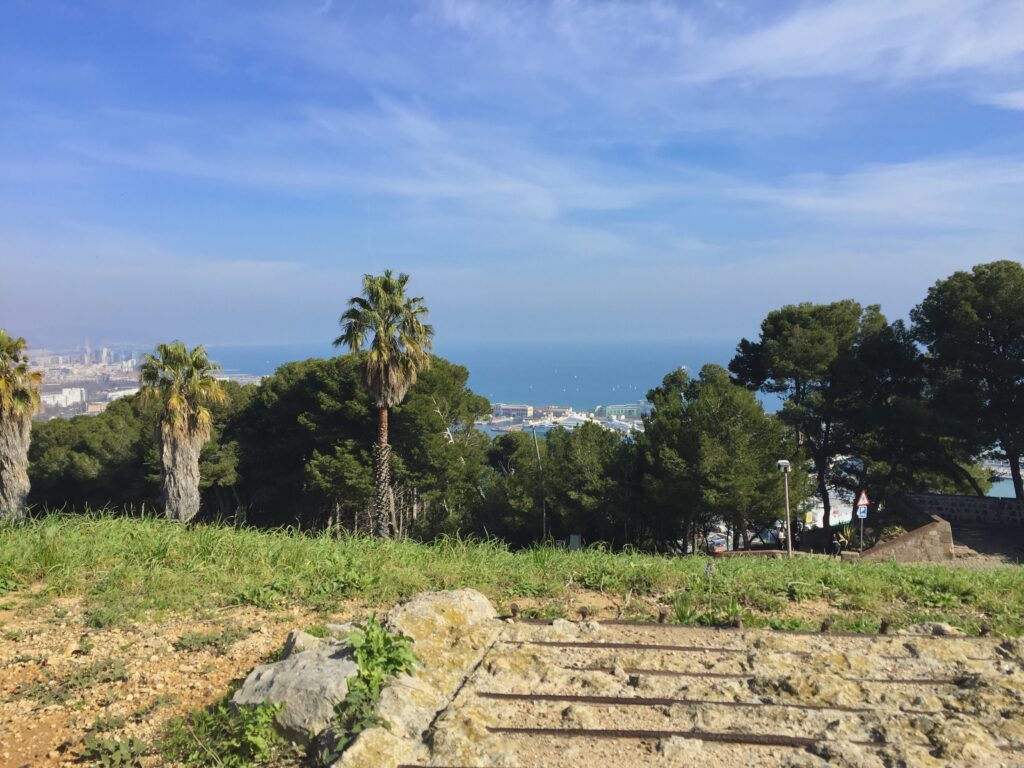
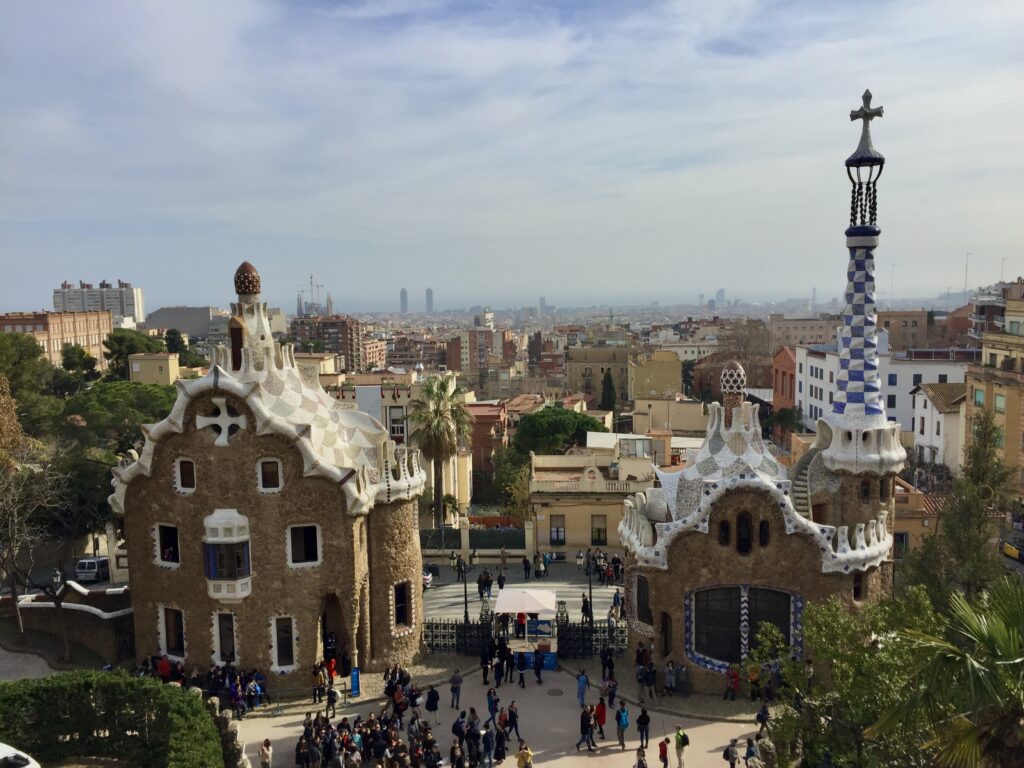
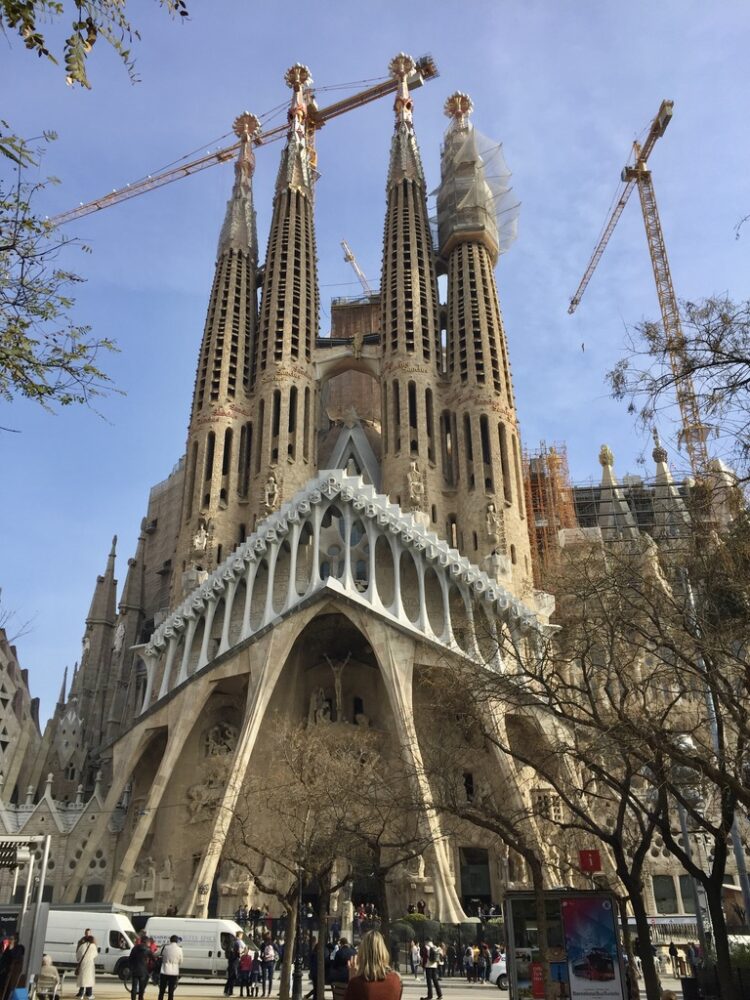
After four days in Madrid, I headed to Barcelona. Barcelona was, of course, breathtaking. I had been worried I might find it overrated but thankfully I did not. Some of the sites in Barcelona were expensive, namely all of Gaudí’s works, so I had to set my priorities for sightseeing. However, I simply loved walking around Barcelona. In the newer part of the city, Eixample, I just tried to get from one place to the next, but in the older parts like the Gothic Quarter and the coast, I relished just walking around, especially because I was closer to the sea. I have realized that I am much more comfortable being near the water, which is the major reason why I prefer Barcelona to Madrid. On top of that, it was sunny the entire time I was there and it truly felt like springtime, even though it was the middle of February.
One thing that struck me about Barcelona was the language, Catalan. I used to think Catalan was just a dialect of Spanish, and then had heard that it really is a different language but didn’t realize the extent of it. Being in Catalonia and seeing signs in Catalan made me realize how different it is from Spanish, though it seems to me to be a mixture between Spanish and French. I was able to read some of it with my knowledge of Spanish and some knowledge of French. The language was suppressed and discouraged from use by the Spanish government under Franco, but it is now being taught and has made a resurgence as the language of Catalonia.
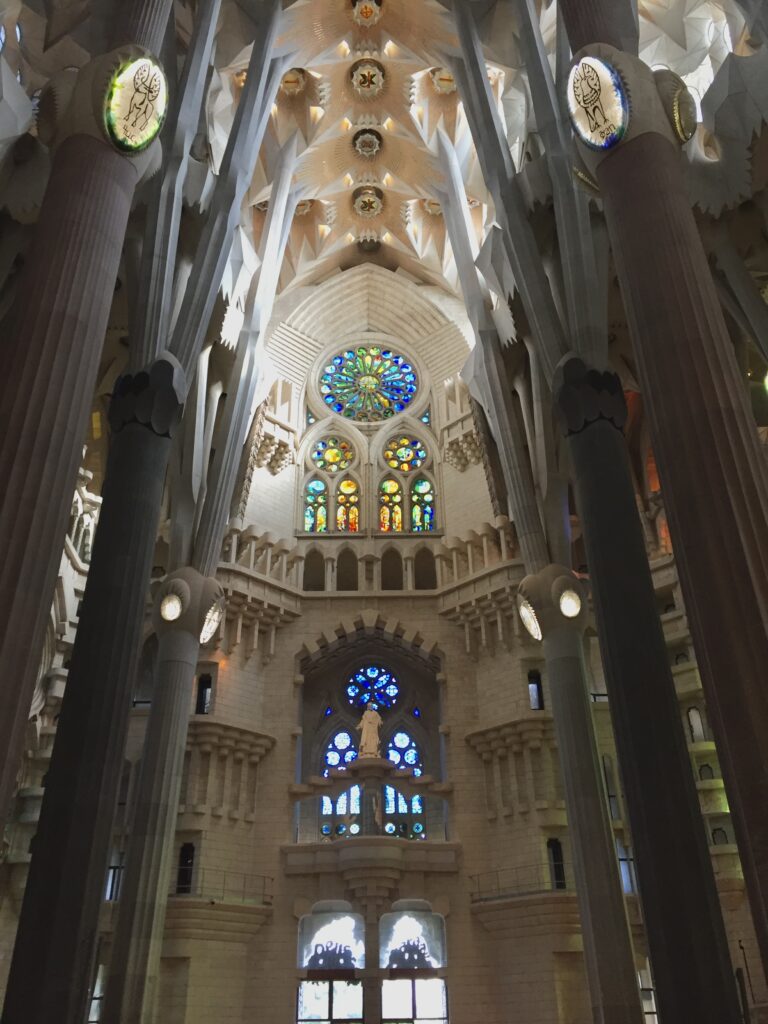
As for the history of Barcelona, the earliest evidence of humans residing there are the ruins of a settlement from before 5000 BC. There is a legend that it was founded by Hercules, and another that it was founded by a Carthaginian general who named it Barcino after his family, though there is unsurprisingly little evidence for either story. A city was founded there by the Romans and started to grow in importance in the Middle Ages when it became the capital city of its own county. Later it became the capital of the Principality of Catalonia within the Kingdom of Aragon. When the kingdoms of Aragon and Castile were united into Spain by the marriage of Ferdinand II of Aragon and Isabella I of Castile, Madrid became the capital of Spain. Since then Barcelona has been the center of Catalonian separatism, which was popular during the 17th century and was making a comeback while I was visiting. During the Spanish Civil War, Catalonia was very Republican and resisted Franco, causing Catalonia’s autonomous status to be rescinded. However, it regained its autonomy after the creation of the republic.
Today, Barcelona is the second largest city in Spain with 1.6 million people and is the country’s most popular tourist destination. I was surprised to learn that before the 90s Barcelona was primarily an industrial city, and had the reputation of one as well. But then it hosted the Summer Olympics in 1992. What had mostly been industrial buildings along the sea front were demolished and replaced by three kilometers of beach in preparation for the games. This vastly improved the outside perception of the city and made it much more popular for tourists. It’s hard not to see this beach project and the resulting image overhaul as a bit ironic given the overtourism that plagues Barcelona today. Of course, the Gaudí works that Barcelona is most famous for were there long before this, so perhaps the city would have ended up attracting throngs of tourists anyways. In any case, when I went in February 2016 it was busy, but not extremely crowded. If you’re planning to go, I’d suggest heading there in the off season.