Note: I originally wrote this post in 2016 for my old blog. I have edited and updated it for posting here.
Back when I visited in 2016, Budapest was considered an underrated European city, though within the European Union it was actually the sixth most popular city for tourists at the time. Though Budapest is technically popular, today I would still consider it underrated considering its beauty and cultural sites. Though it is rarely ranked on par with the likes of Paris and Berlin, or even Prague, in my humble opinion Budapest deserves such distinction.
Budapest is one of Europe’s largest cities. It is the cultural center and capital city of Hungary, called “Magyarország ” in Hungarian. This language, which it itself calls Magyar, is the most widely spoken non Indo-European language in Europe. Budapest has a population of almost 2 million people, 3.3 million people in its metro area, accounting for nearly a third of Hungary’s population.
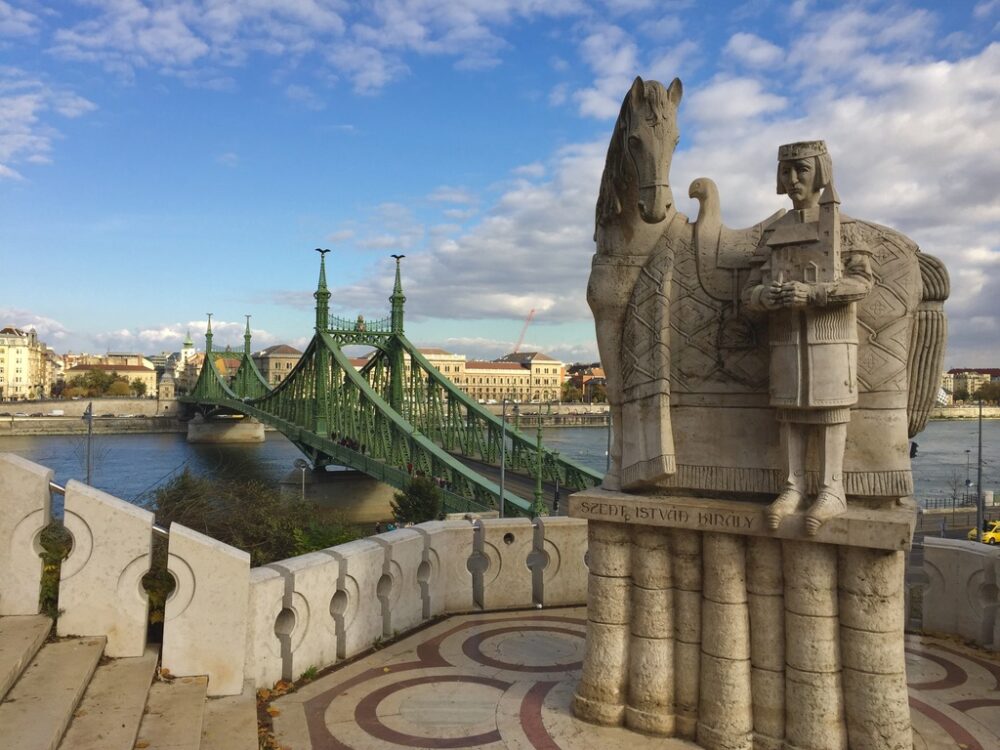
The name Budapest comes from the unification of three villages. The villages kept expanding and started to breach each other’s borders, so they merged into a single city. Two of those villages were called Buda and Pest, hence the city’s current name. The other one was called Óbuda, and somehow it missed out on being part of the new city’s name. The Danube River runs through the city because Pest occupied the east bank while the other two villages occupied the west bank.
The history of Budapest begins with the Celtic tribes, and after being conquered by the Romans the area became the capital of the Lower Pannonia region of the empire. The Hungarians didn’t arrive in the area until the 9th century, and their first settlement came under Mongol attack. After re-establishment, the towns became a center of Renaissance culture. After the battle of Mohács in 1526, the towns were ruled by the Ottomans for about 150 years. The unification of the three towns in 1873 transformed Budapest into a global city and it became the second capital of the Austro-Hungarian Empire until the dissolution of the empire in 1918 after WWI.
During WWII the Hungarians sided with the Germans, so Budapest and the rest of Hungary was taken over by the Soviets near the end of the war, a military occupation that did not end until the dissolution of the Soviet Union in 1991. Hungary was however only part of the Eastern bloc rather than incorporated into the Soviet Union. In 1949 Hungary was declared a communist republic, but in October 1956 large peaceful demonstrations were held in Budapest protesting Soviet rule, sparking a revolution that was crushed by Soviets. During the Soviet era, Hungary and particularly Budapest were more prosperous than other members of the Soviet bloc.
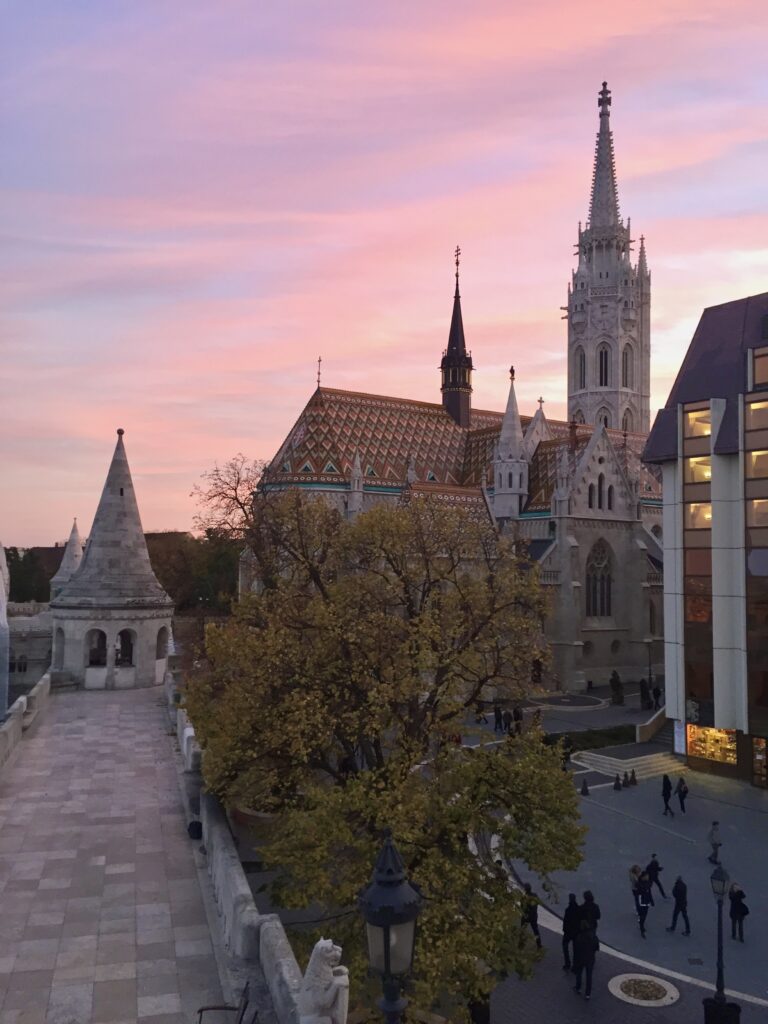
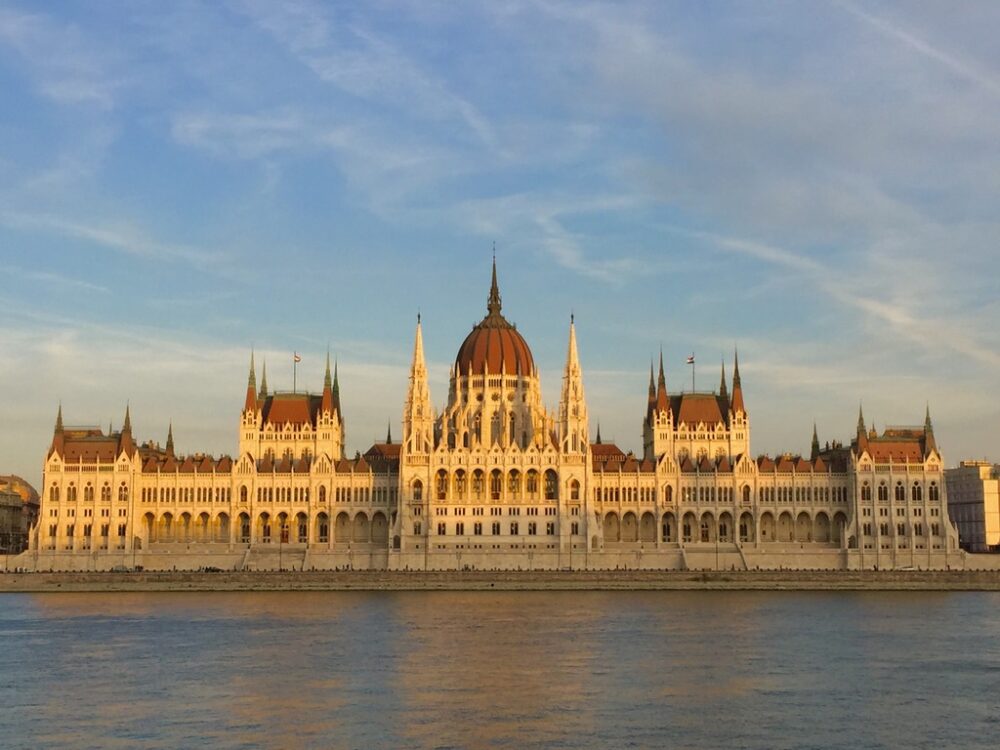
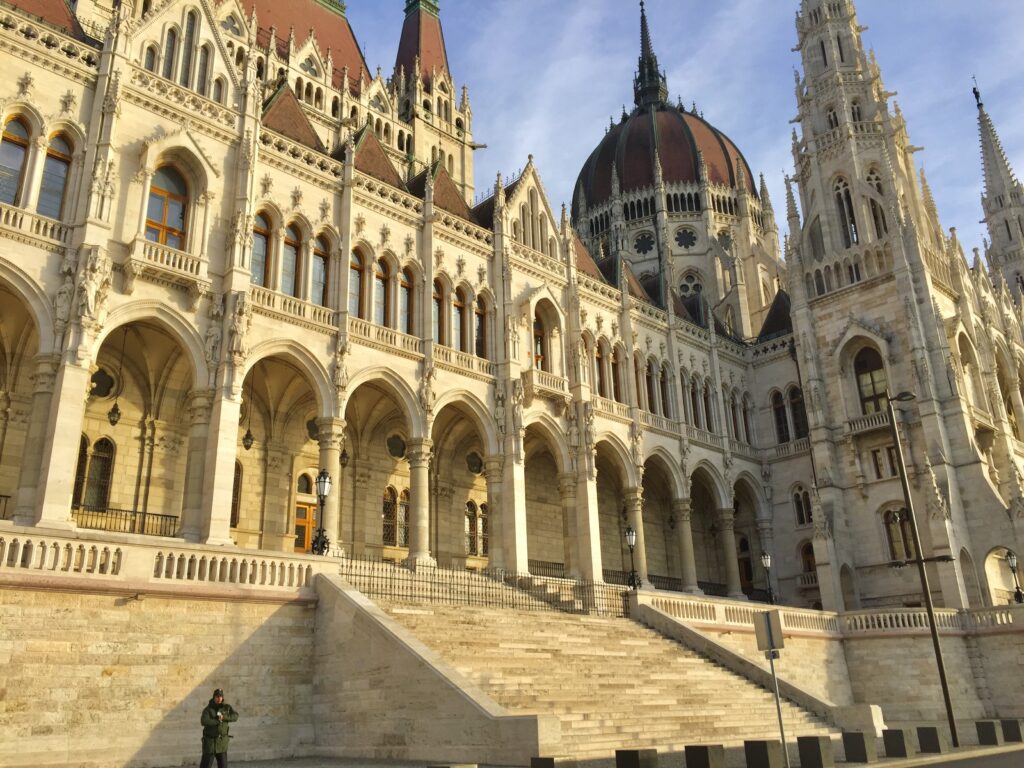
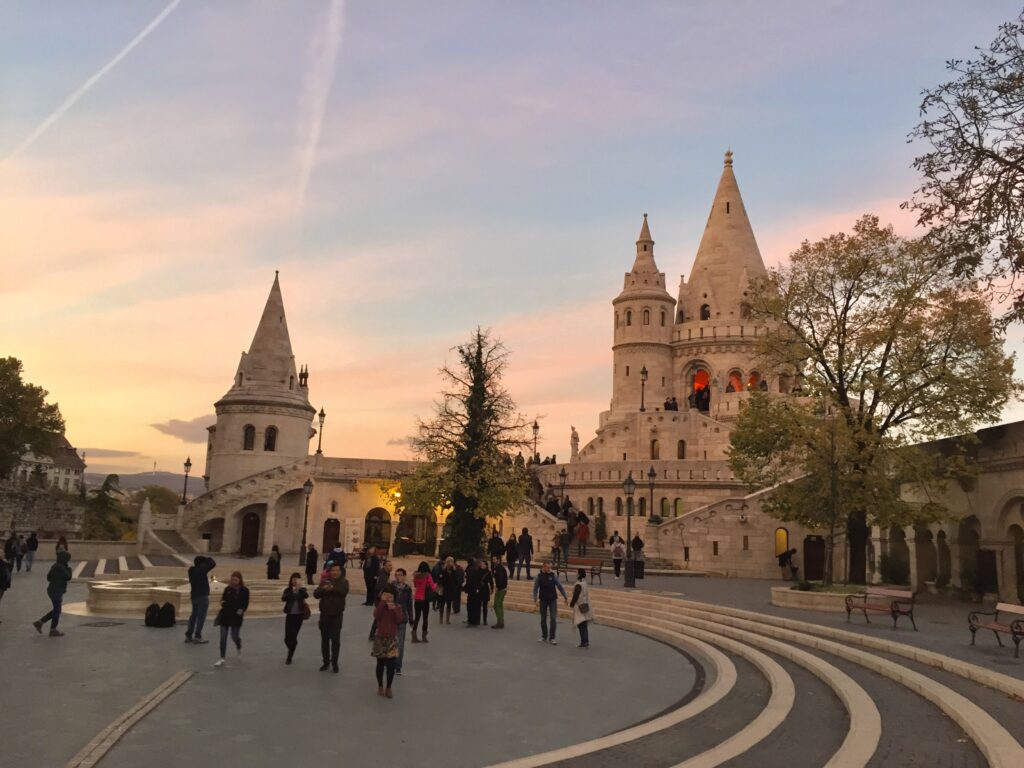
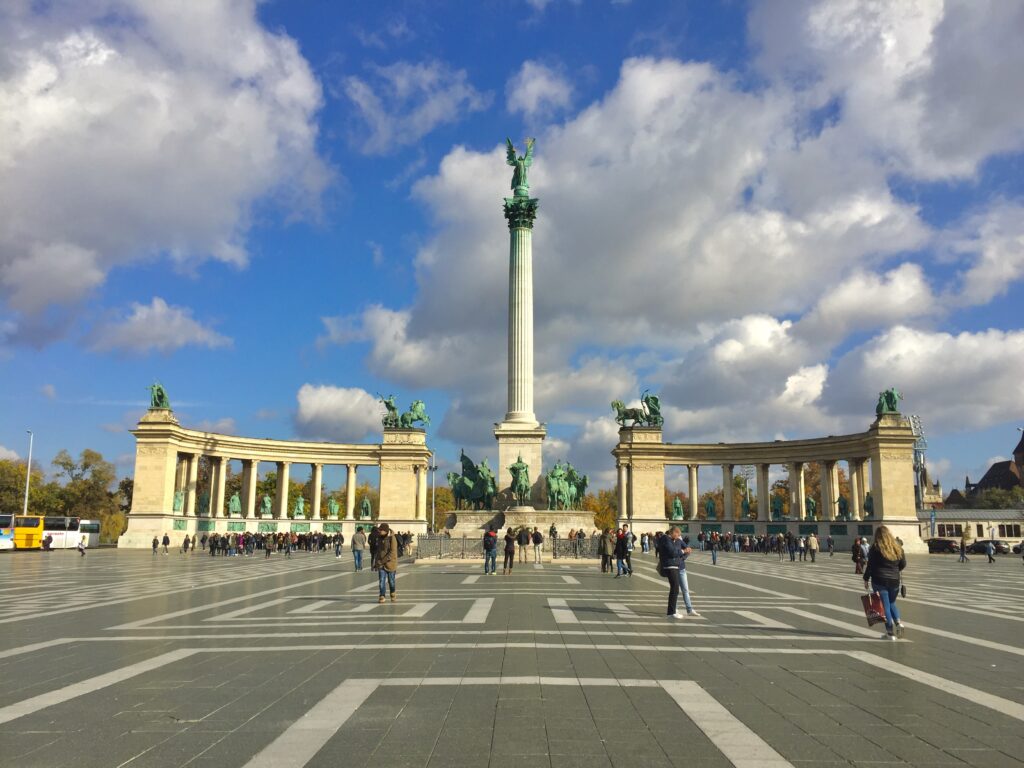
Budapest has the world’s largest thermal water cave system and about 80 geothermal springs, so their thermal baths are popular with tourists. It is also home to the world’s second largest synagogue and third largest parliament building. Budapest has been designated its own UNESCO World Heritage Site that includes several sights I visited like Buda Castle, the Fisherman’s Bastion, Heroes’ Square, and the Citadel on Gellért Hill. There’s a lot to see in Budapest and it’s worth more than just a weekend visit.