Note: I originally wrote this post in 2018 for my old blog. I have edited and updated it for posting here.
What to read in Ireland
- Dubliners by James Joyce
- Normal People by Sally Rooney
- The Picture of Dorian Gray by Oscar Wilde
- Angela’s Ashes by Frank McCourt
The Emerald Isle
Dubbed the Emerald Isle for its lush green landscape, Ireland is regularly featured on voter lists of the most beautiful countries in the world. This beauty has made it a popular tourist destination, and it is home to three UNESCO World Heritage Sites: Giant’s Causeway, Skellig Michael, and Newgrange. Centuries of British colonization has led to the island’s current political division into the Republic of Ireland and the Northern Ireland part of the United Kingdom, but it’s all part of the green island that we still call Ireland.
The island is the 20th largest in the world and 3rd largest in Europe after Great Britain and Iceland. It is home to about 6.6 million people as of 2016, with about 4.8 million in the Republic of Ireland and about 1.8 million in Northern Ireland. The largest city by far is Dublin, with a population of about 553,000 people and more than one million people in its urban area. The next most populous city is Belfast, which is the capital of Northern Ireland and is home to about 340,000 people.
Ireland has a very mild climate that is free of temperature extremes. It experiences cool summers but mild winters, and gets ample rainfall. Humans have inhabited the island since 10,500 BCE, and by the first century AD Gaelic Ireland emerged, with Christianity reaching the island in the 5th century. Until the Middle Ages, Ireland was covered in thick woodlands. England started to claim sovereignty over Ireland in the 12th century after the Norman invasion of England, which established its current monarchy, but it did not enforce complete control over the island until the Tudor conquest of the 16th and 17th centuries. The traditionally Catholic majority of Ireland was then oppressed by a mostly Protestant England. In 1801 Ireland became part of the United Kingdom, and then a war of independence in the early 1900s established what is now the Republic of Ireland as its own country.
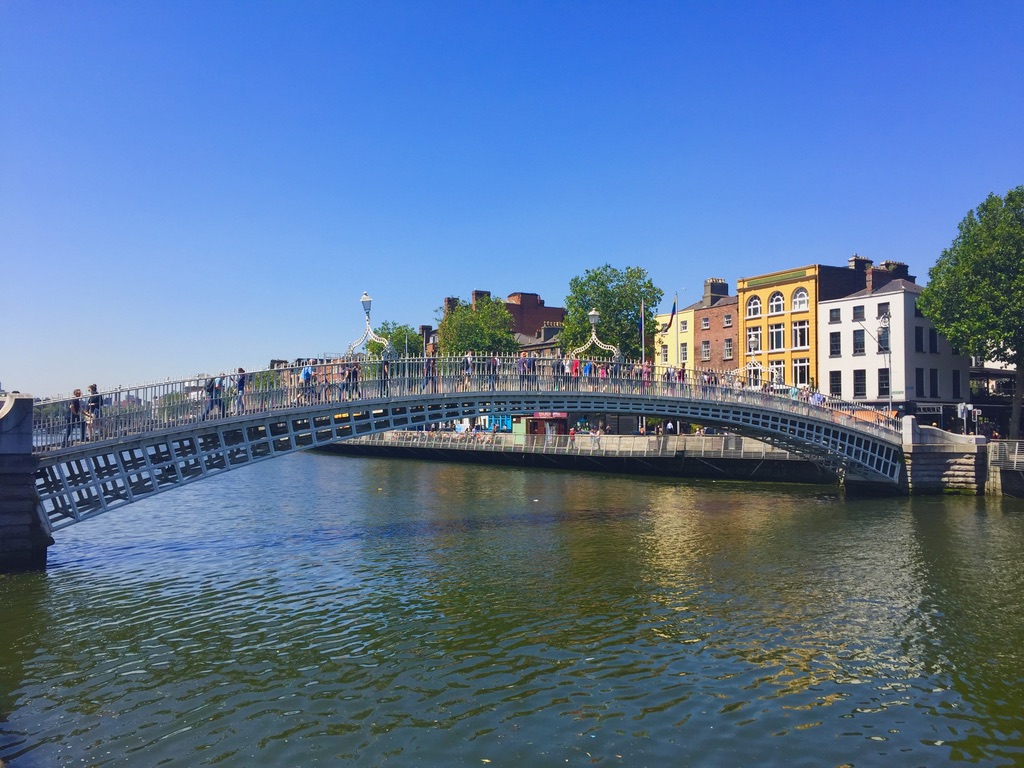
My Trip to Dublin and Galway
I only had time to spend a mere four days in Ireland, and since all four places I wanted to visit are on opposite sides of the island — Dublin in the east, Galway in the west, Belfast in the north and Cork in the south — I made the difficult decision to visit only two of the four. I had to forego visiting some places that I really wanted to see, particularly Blarney Castle in Cork and Giant’s Causeway in Northern Ireland, in favor of visiting Dublin and Galway, and from Galway head to the Cliffs of Moher. I went from coast to coast, with Dublin on the east coast and Galway on the west coast.
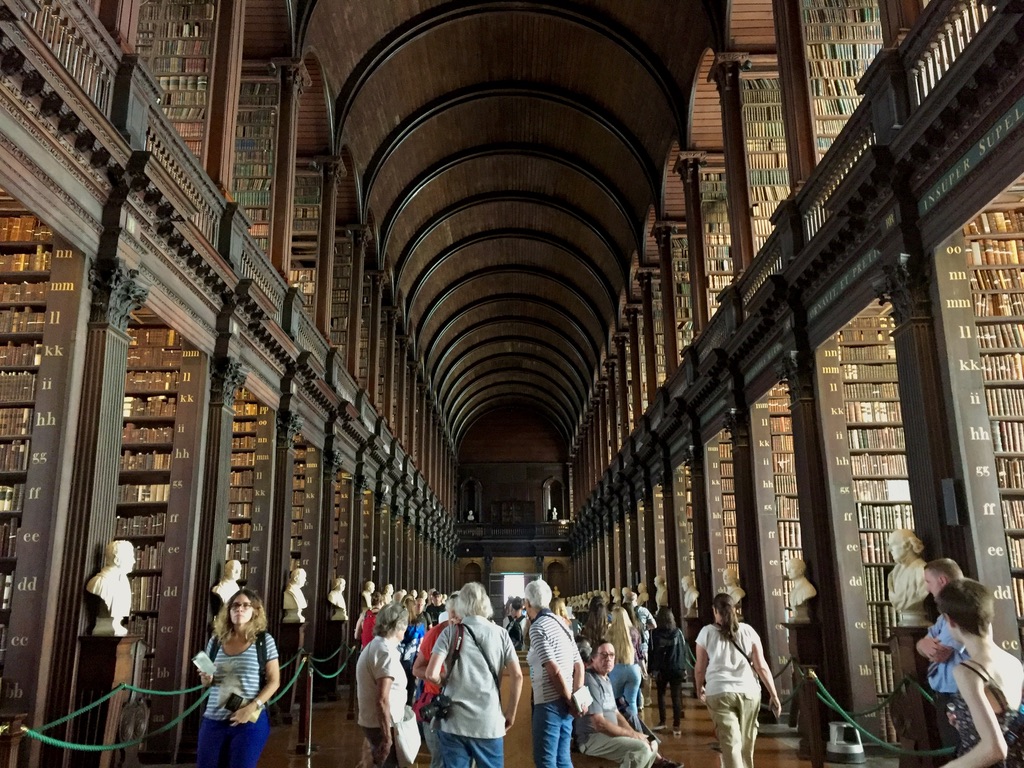
As the capital of the Republic of Ireland and the island’s most populous city, Dublin is the most popular tourist destination in Ireland. It was established by Celtic-speaking people in the 7th century AD and was later expanded as a Viking settlement, becoming the Kingdom of Dublin, which established it as the principal city on the island. Beginning in the 17th century, the city grew rapidly and was for a short time the second largest city in the British Empire. Dublin is also home to Trinity College Dublin, which was founded by Queen Elizabeth in 1532 and is the most prestigious university in Ireland as well as one of the most prestigious in Europe. It is also home to what is considered one of the most beautiful libraries in the world, and houses the Book of Kells. Some notable past students of Trinity College Dublin are Oscar Wilde, Jonathan Swift, and Bram Stoker. And though he did not attend Trinity College Dublin, another famous resident of Dublin, who you can tell the Irish are very proud of, is the writer James Joyce. Two other places in Dublin I visited were the Chester Beatty Library, a museum of books and manuscripts, and The Brazen Head, which local tradition claims is Ireland’s oldest pub, established in 1198.
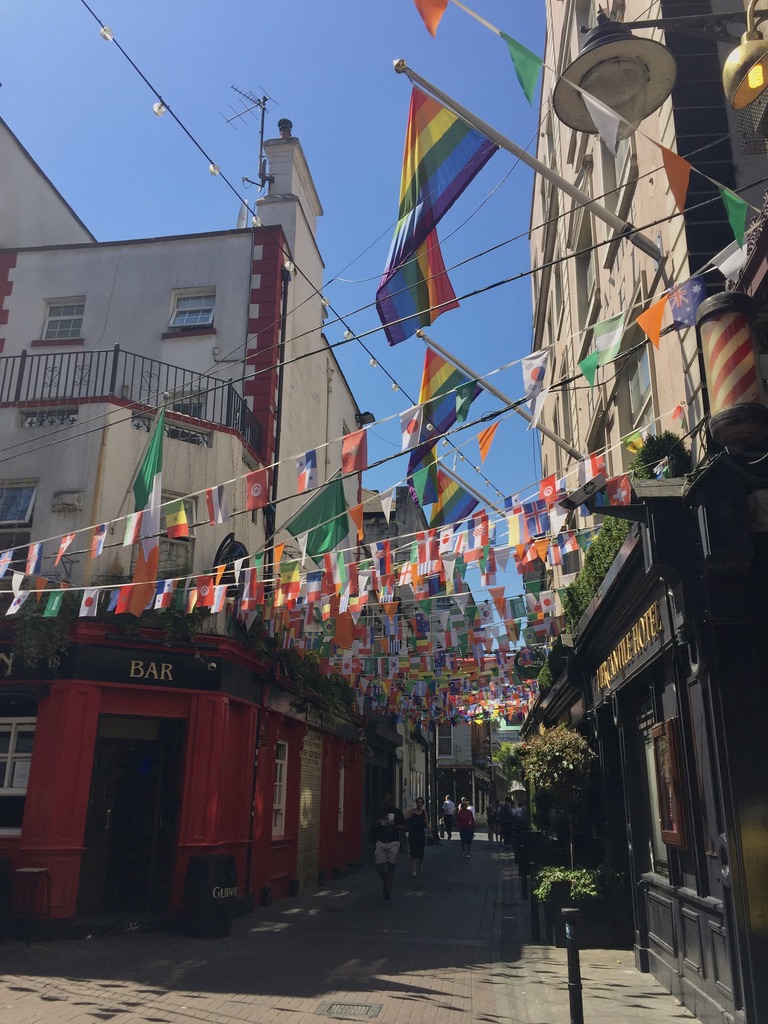
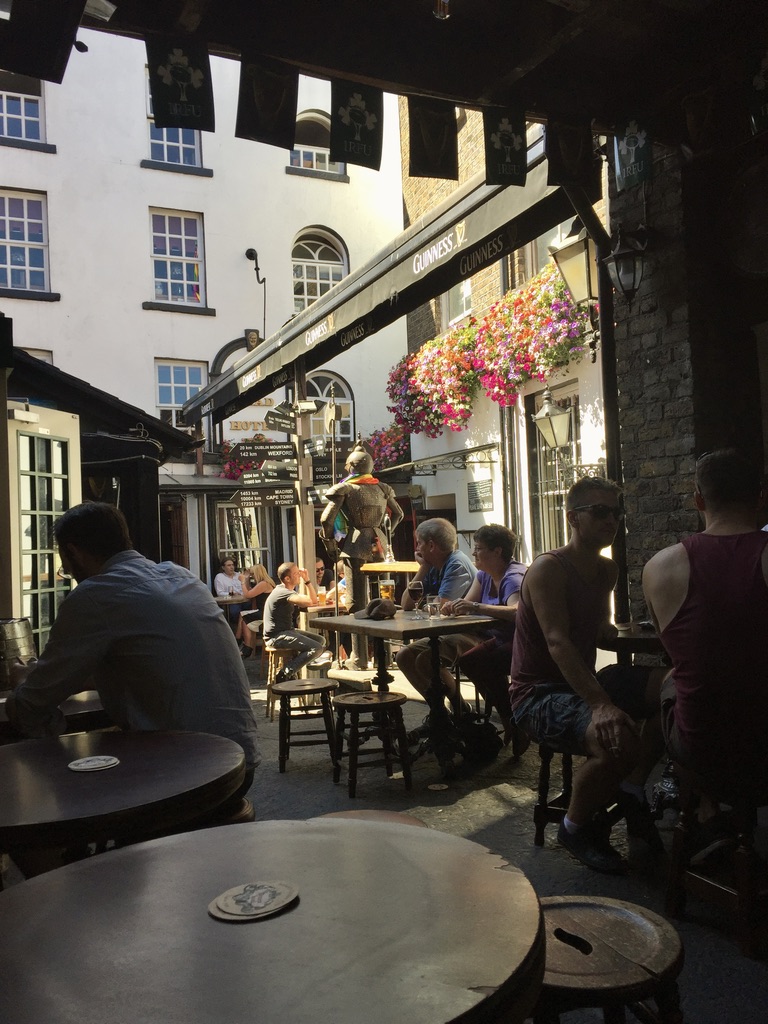
The other city I visited is Galway, which is a small seaside city located on Ireland’s west coast. With a population of about 80,000 people, it is actually Ireland’s sixth largest city, and though it has a large downtown area, it feels like a small and quaint seaside vacation town. The settlement of Galway grew around a fort that was built in 1124 by the King of Connacht, a kingdom that was located in western Ireland. Eventually the Tribes of Galway gained control of the walled city and ruled it during the Middle Ages. The Tribes of Galway was an oligarchy of fourteen merchant families, twelve of which were of Norman origin and two of Irish origin. During this period Galway was also Ireland’s main port for trade with Spain and France. In 1484 Galway was granted mayoral status by the English crown. During the 16th and 17th centuries Galway mostly remained loyal to the English crown, but after supporting the Jacobites in the 17th century the great families of Galway were ruined. During the potato famines in the mid-19th century, Galway along with the rest of Ireland suffered greatly, but eventually recovered in a period of economic growth during the 20th century.
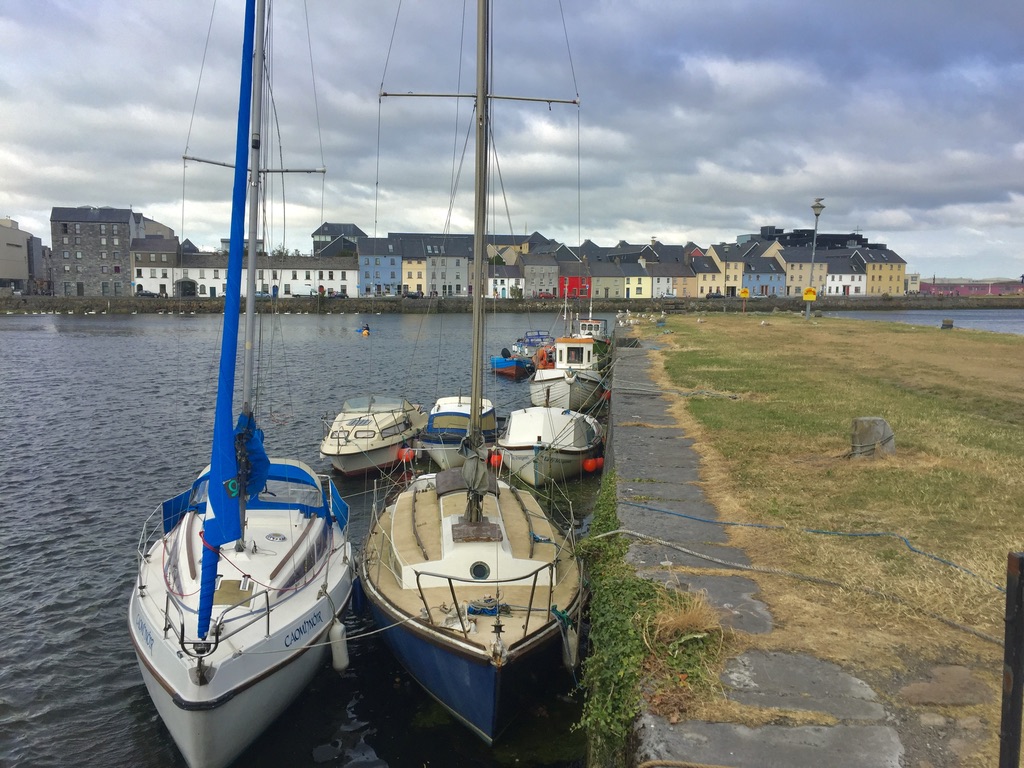
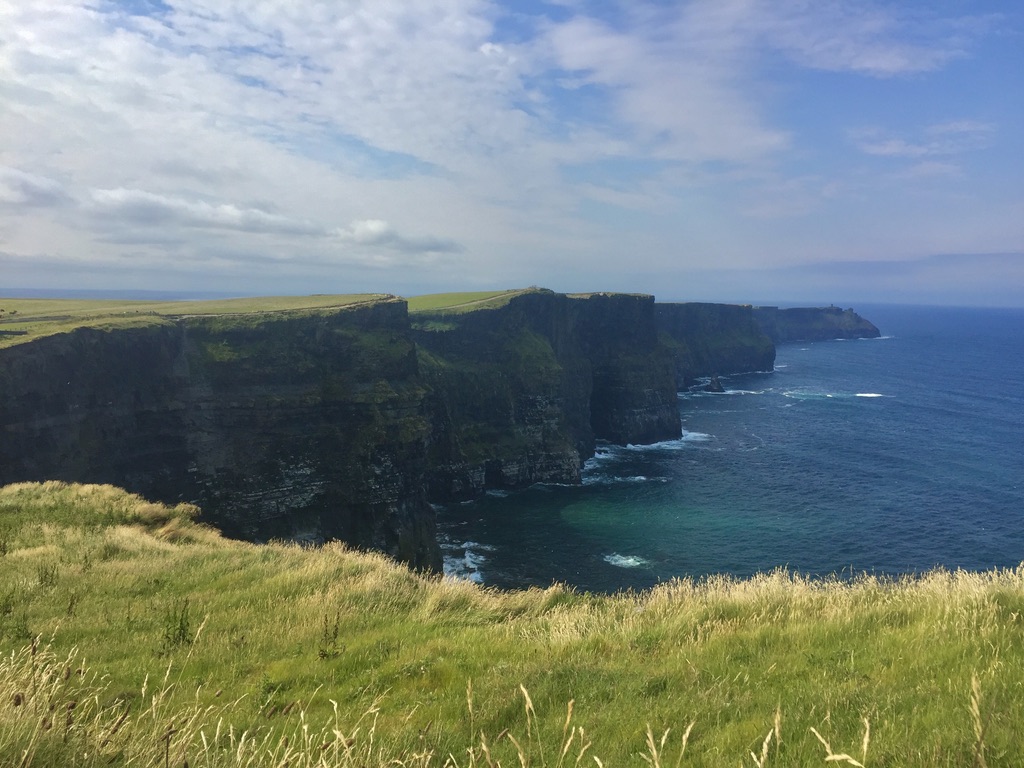
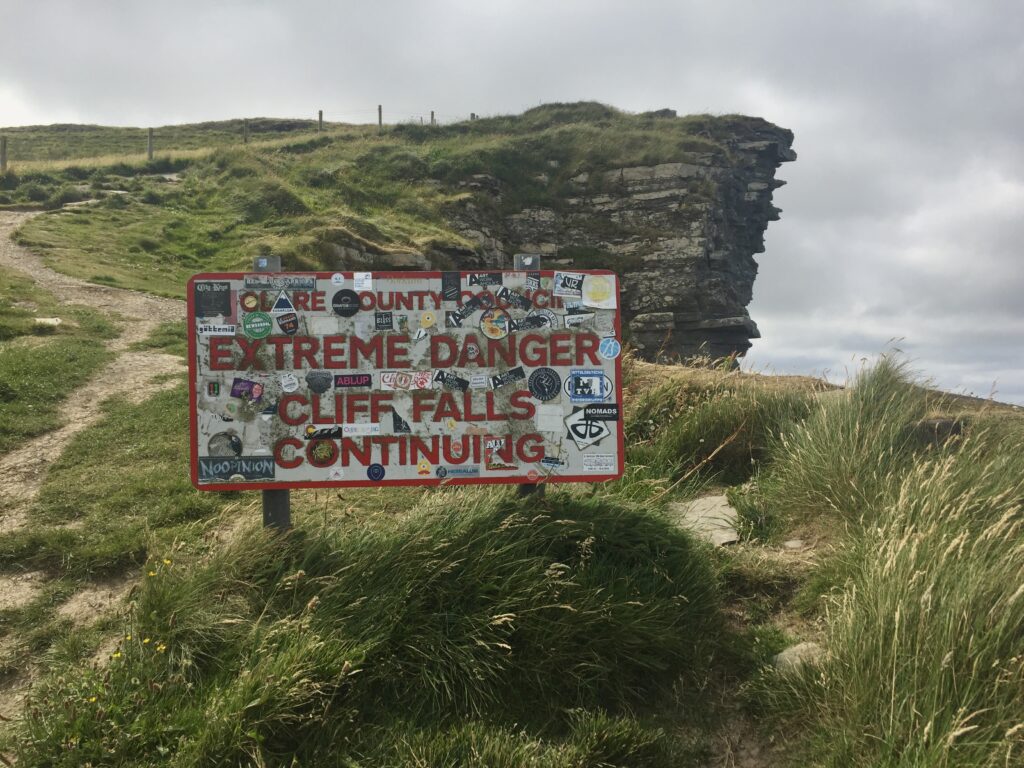
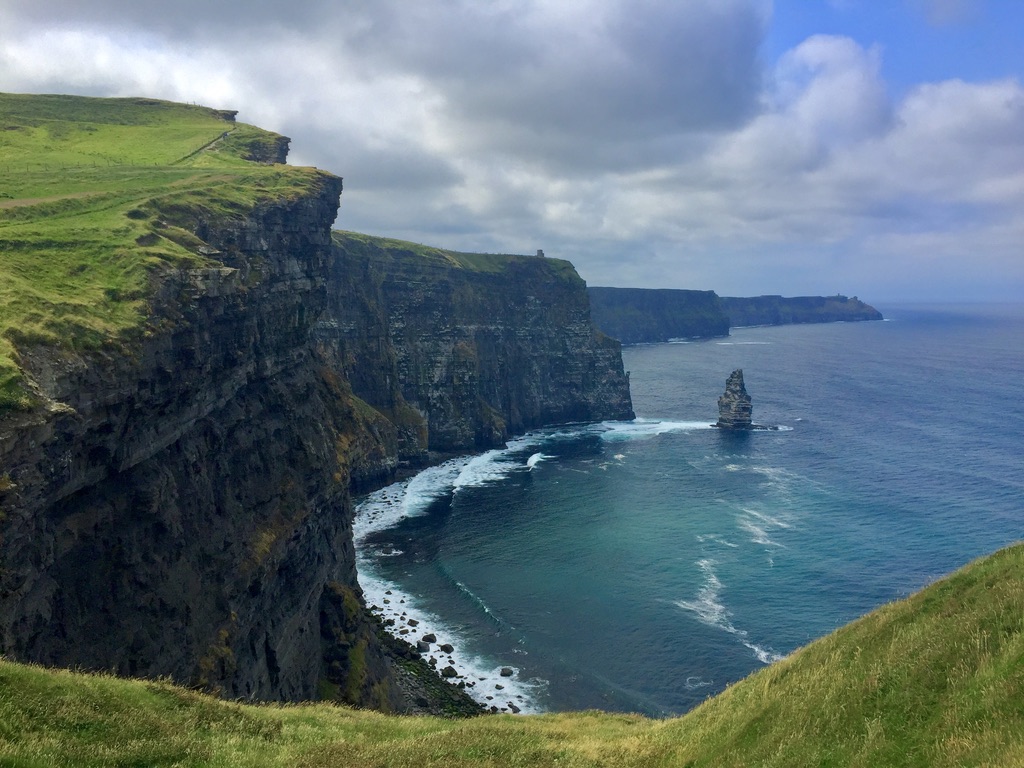
From the Galway train station you can take a bus ride that lasts just over 2 hours to the Cliffs of Moher. These cliffs are located in County Clare and face the Atlantic Ocean. They run for about 14 kilometers and rise from a range of 390 feet at their southern end to the maximum height of 702 feet just north of O’Brien’s Tower near the midpoint of the cliffs. The cliffs are one of Ireland’s most popular attractions and nowadays attract about 1.5 million people per year. While most visitors go to the official visitor center and view the cliffs from nearby, there is an 18 kilometer Cliff Walk that you can take.
The Cliffs were definitely my favorite part of my short trip to Ireland. Though I love experiencing new cities, I find that the sites that truly take my breath away are natural wonders such as the Cliffs of Moher. As for the two cities I visited, I found Galway to be a beautiful and quaint seaside city, and definitely a great place to stay if you want to visit the Cliffs. I was disappointed that everything required a fee in Dublin, including St. Patrick’s cathedral, because most cathedrals I’ve visited in Europe ask for donations but don’t require a fee. I also felt that the two days I spent in Dublin were plenty—especially since there were attractions I didn’t feel like paying for, I found myself not knowing what to do by the afternoon of the second day. But it is still a beautiful city to stroll around, and a must-visit in Ireland.