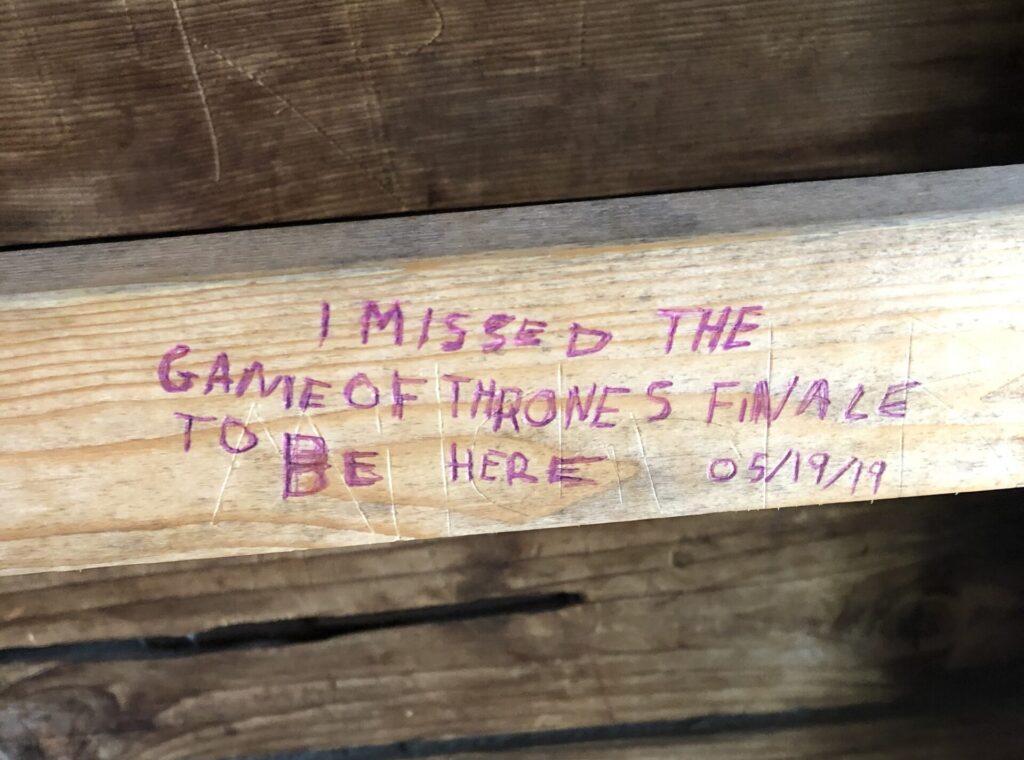
“Onward we hail to unknown soil — but hence we call it Isle Royale” – cabin graffiti from a previous camper
Trip notes
Was 3 nights enough time?: This was enough time to get a taste of the island and to see some of the eastern part, but hikers will need more than a week to traverse the entire island.
Time of year: July
Traveled solo?: Traveled with a friend
Weather: Perfect summer weather (at least to a Michigander like me). Sunny and warm but not too hot during the day, cool in the evening and at night.
Who I think would particularly enjoy Isle Royale: Any hiking enthusiast who really wants to put some distance between themselves and civilization to be in nature for a while.
What to read on Isle Royale
- Isle Royale National Park: Foot Trails & Water Routes – a comprehensive guide to the island’s trails
- Minong: The Good Place – Ojibwe and Isle Royale by Timothy Cochrane – the Ojibwe people’s relationship with the island
- Wolf Island: Discovering the Secrets of a Mythic Animal by L. David Mech – a leading wolf expert describes the first few years of what became a 60-year study of wolves on the island
Local bookstore: The Rock Harbor Visitor Center sells some books and plenty of trail maps
Itinerary for 3 days in Isle Royale from Copper Harbor
- Day 1: Ferry from Copper Harbor to Rock Harbor – Check out the visitor center, store some supplies in a locker – Hike to Scoville Point – Retrieve supplies from locker and hike to Three Mile Campground – Stop at Suzy’s Cave along the way – Set up camp at Three Mile Campground
- Day 2: Early hike up to Mt. Franklin – Return to Three Mile Campground and gather up camping supplies – Hike to Daisy Farm Campground – Set up camp – Hike to Ojibway Tower – Hike back to camp – Take a dip in Lake Superior (or at least dip your feet in)
- Day 3: Start the long hike back to Rock Harbor taking the Tobin Harbor trail – Set up camp at Rock Harbor Campground – Dinner at Greenstone Grill – Attend a lecture/Q&A session from a park ranger at the Visitor Center – Take a relaxing walk around the campground – Watch the sunset over Lake Superior or Tobin Harbor
- Day 4: Ferry back to Copper Harbor
What I did in Isle Royale
The winter of 1948 must have been particularly frigid, even for Lake Superior. It is unclear if the second largest freshwater lake in the world completely froze over, a rare occurrence even in an area with such harsh winters. Nevertheless, that winter the water spanning the 24-kilometer distance between Isle Royale and the Canadian mainland froze into an ice bridge. Some wolves crossed the ice to the island, and stepped onto land their species had never set foot before (or at least according to humans).
This is one story about Isle Royale, called Minong by the Ojibwa people, a remote island national park located in Lake Superior. Its main island is the fourth largest lake island in the world, and the park also includes more than 450 smaller adjacent islands. Though technically part of my home US state of Michigan, Isle Royale is actually much closer to both Canada and Minnesota on the other side of the lake. I hate to admit that its “location” within Michigan doesn’t really make sense. But I am not going to complain about this patch of isolated wilderness’ inclusion in my home state as our only national park (Why Sleeping Bear Sand Dunes is a “National Lakeshore” instead of a national park is beyond me, but that is a topic for another time).
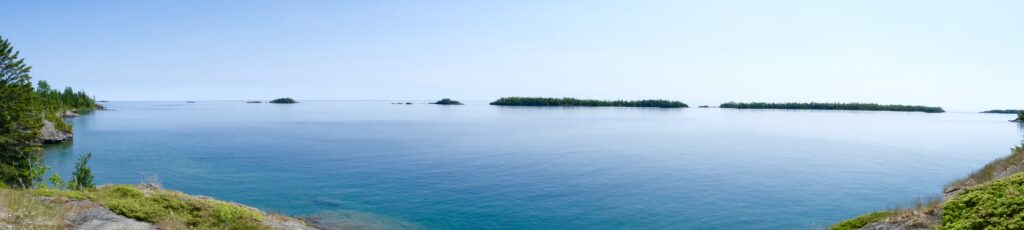
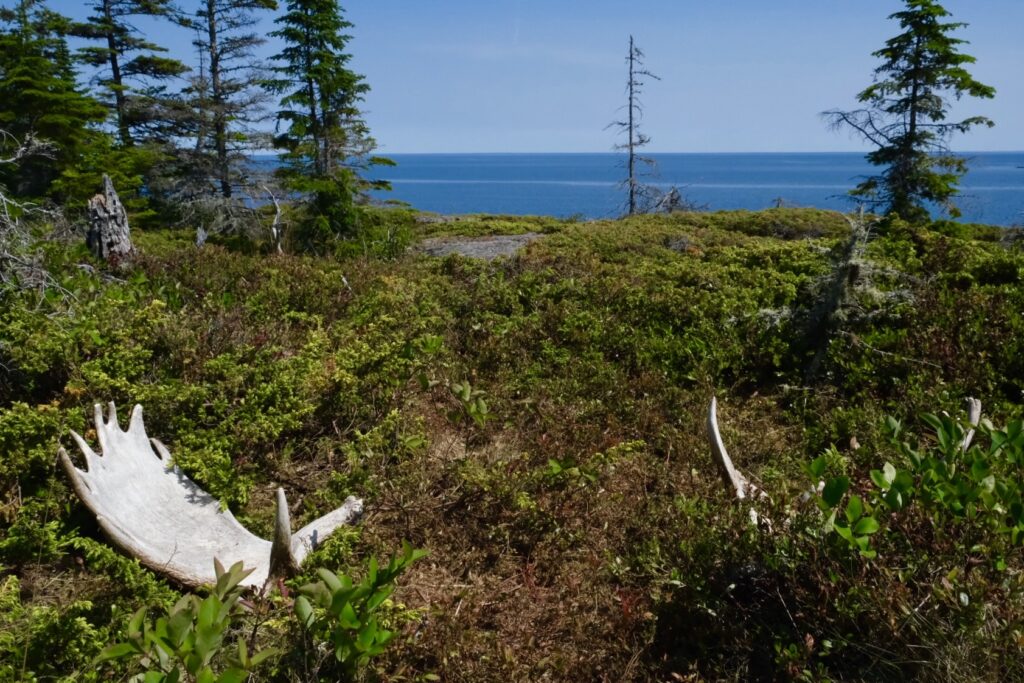
Isle Royale is the least visited National Park in the US, and is supposedly the park that sees the most return visitors, so it has clearly enchanted many who have been curious enough to visit it. The small archipelago is almost entirely undisturbed wilderness, rugged and isolated enough that not even many animal species live there. It is the location of an ongoing wolf study featuring the pioneer wolves from 1948 and their descendants. Moose also live there and being able to catch sight of a moose is one of Isle Royale’s many appeals, but the rest of the creatures on the island are much smaller.
For thousands of years Isle Royale was a common hunting ground for native peoples, who would make the 13-mile canoe journey to the island from what is now called Minnesota and Ontario. Minong, as they called it, is also an ancient copper mine, and copper artifacts that date back more than 6,000 years have been found on the island. But even then, there was never a permanent population, and today only park rangers live there as temporary residents.
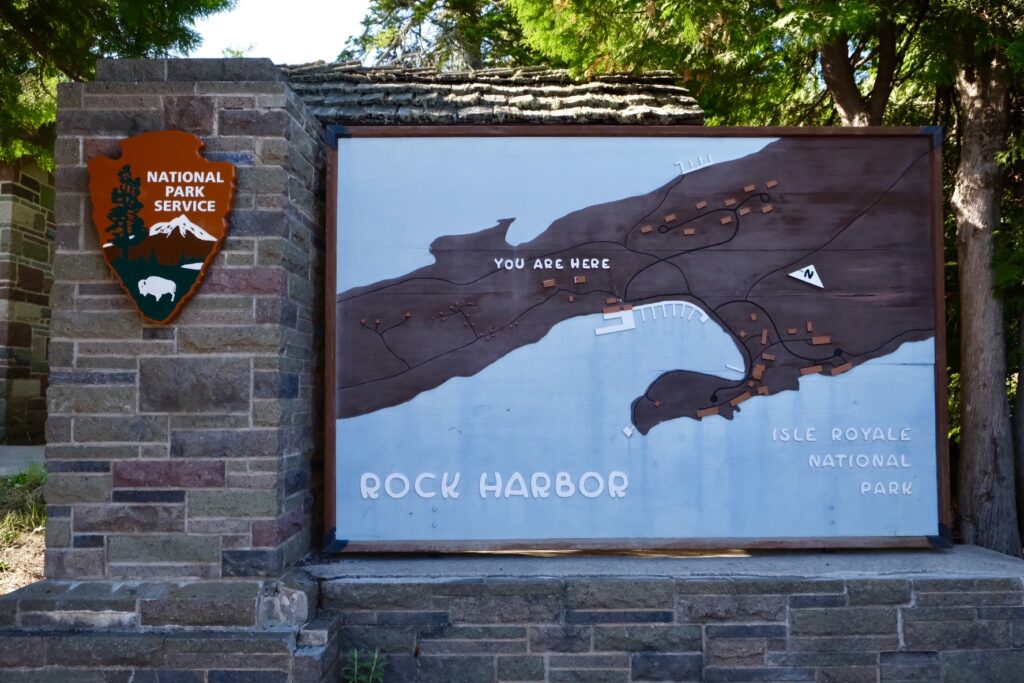
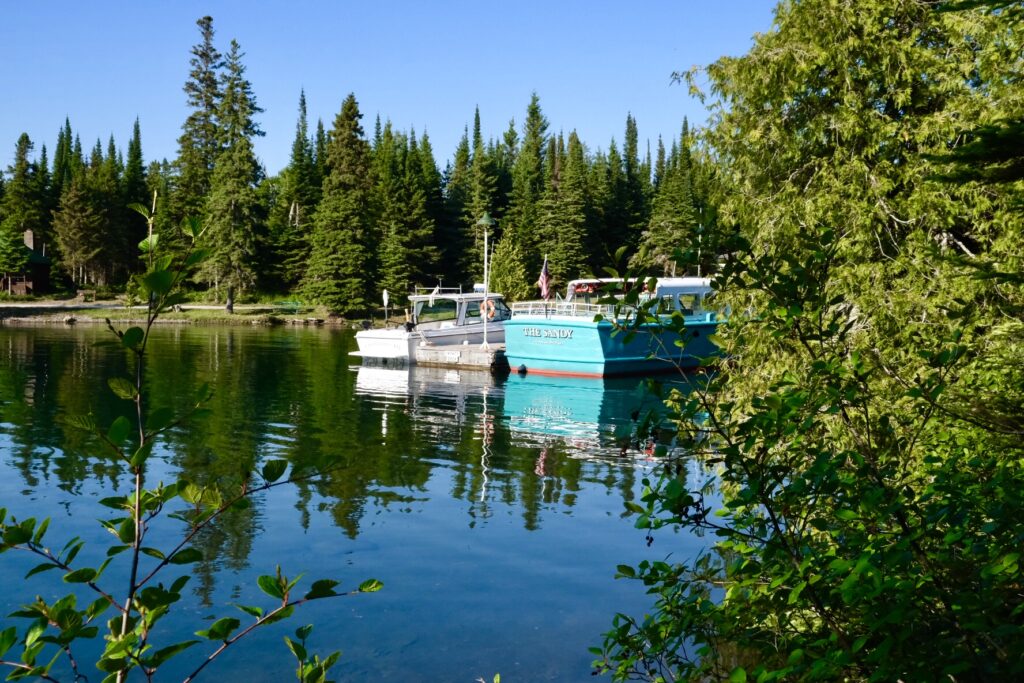
On a cool, windy morning in mid-July, a friend and I boarded the Queen IV ferry at Copper Harbor at the very tip of the Upper Peninsula. The journey over an ocean-colored Lake Superior took three hours and wasn’t too shaky despite the speed at which the ferry was racing to the island. My friend and I were very ready to stand on land and go hiking once we arrived at Rock Harbor, one of the island’s two slightly developed areas. The other is Windigo, where the ferry from Minnesota docks. Both areas have cabins, campsites, showers, and a general store. There is also one lodge and one restaurant in Rock Harbor.
Now, I am a relatively experienced hiker, but I am not an expert camper. I have gone on a couple camping trips, but it was always under the guidance of others who told me what to bring and where to camp. My friend had a similar amount of camping experience, and though we weren’t woefully underprepared, we definitely could have planned better. We had backpacks, we had snacks, we had a tent, and we had the proper clothing. But we wanted to use what we already had instead of buying big camping packs, and we quickly realized we would have enjoyed ourselves more if we had brought camping packs instead. We also should have brought a better variety of camping food, but we instead ended up on what my friend dubbed a “granola death march.”
Besides that, our planned itinerary worked out pretty well for our experience level and the time we had. After buying a few more snacks and amenities at the store in Rock Harbor, we put some of our stuff in a locker and hiked out to Scoville Point. Then we retrieved the rest of our supplies from the locker and hiked the three miles to our first campsite.
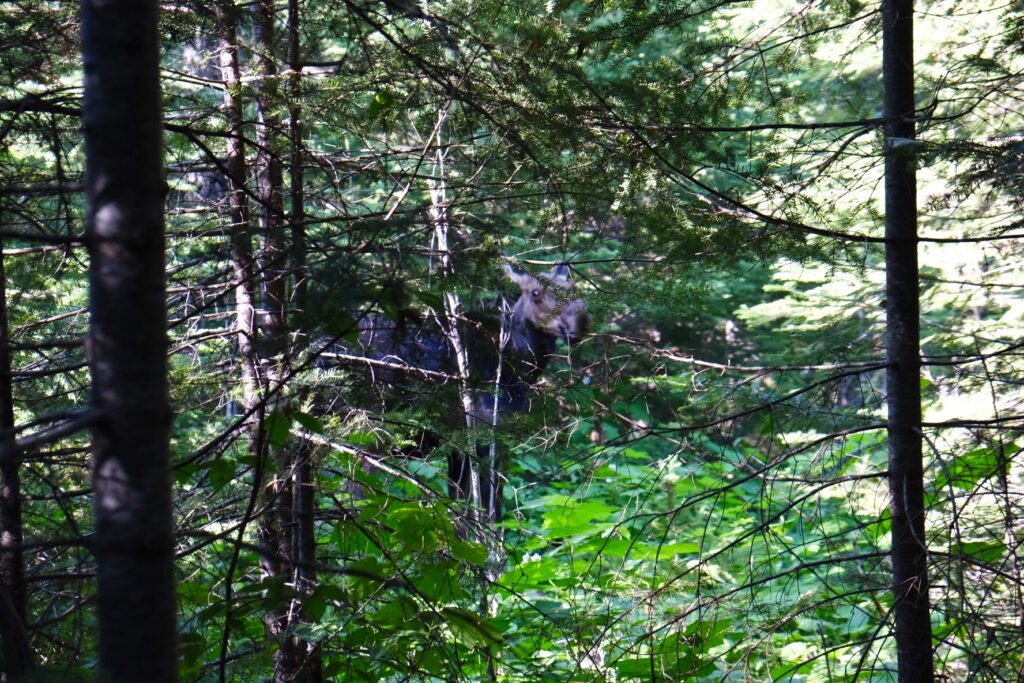
We stayed for three nights, each at a different campsite and taking care to choose sites that have potable water, since not all of them do. Our second day was jam-packed with hiking and brutal on our feet. We managed to hike to both Mount Franklin and Ojibway Tower, and though both were worth it, as was seeing a moose on our hike back, hiking to both on the same day is not for the faint of heart (or feet).
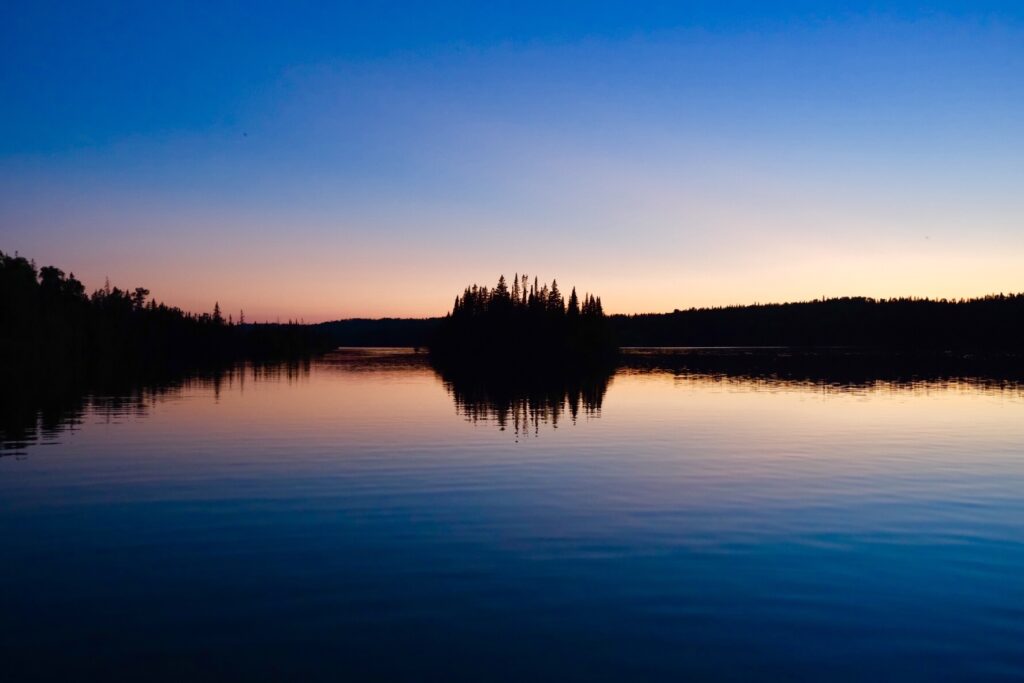
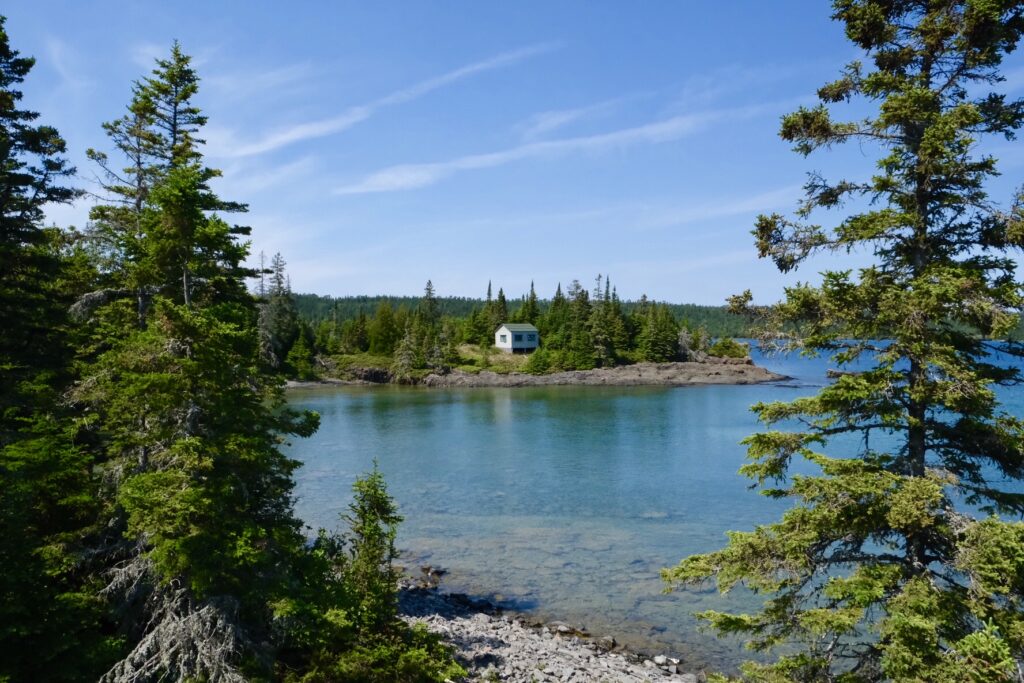
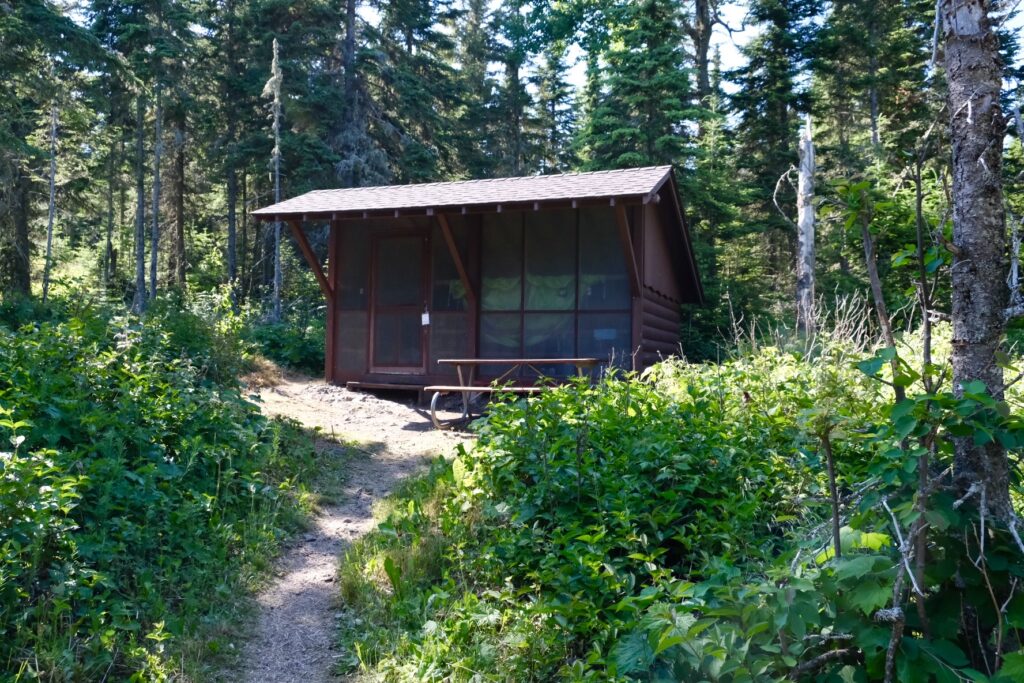
Fortunately the third day was much more relaxed, as we took the long but flat hike back to Rock Harbor and had a relaxing evening. We ate dinner at the park’s only restaurant, then I attended a talk and Q&A session by one of the park rangers. We then took an evening walk around the campsite and watched the most serene sunset over the lake before heading back to the cabin where we had set up camp. The next morning, we took the ferry back to Copper Harbor.
Looking at the map of Isle Royale, I almost feel embarrassed at how little I saw of the island. I spent three nights there and I only got to experience a tiny sliver of the park’s northeastern part. Yet the serenity and sheer isolation of the island was unlike any other experience I’ve had before or since. I understand why so many who go to Isle Royale once end up going back. Part of me wants to go back someday as well, even though, as much as I love hiking and being in nature, I sleep terribly in tents. I don’t live in Michigan anymore and doubt I will return to Isle Royale, but I am still captivated by the idea of it. Isle Royale cannot be easily explored, but I’m sure traversing further inward and gaining a deeper understanding of this small, isolated archipelago is its own reward.
Eats
The only restaurant on the island is Greenstone Grill, and eating there felt great after a few days of eating only camping food.
Favorites
- The quiet, serene atmosphere
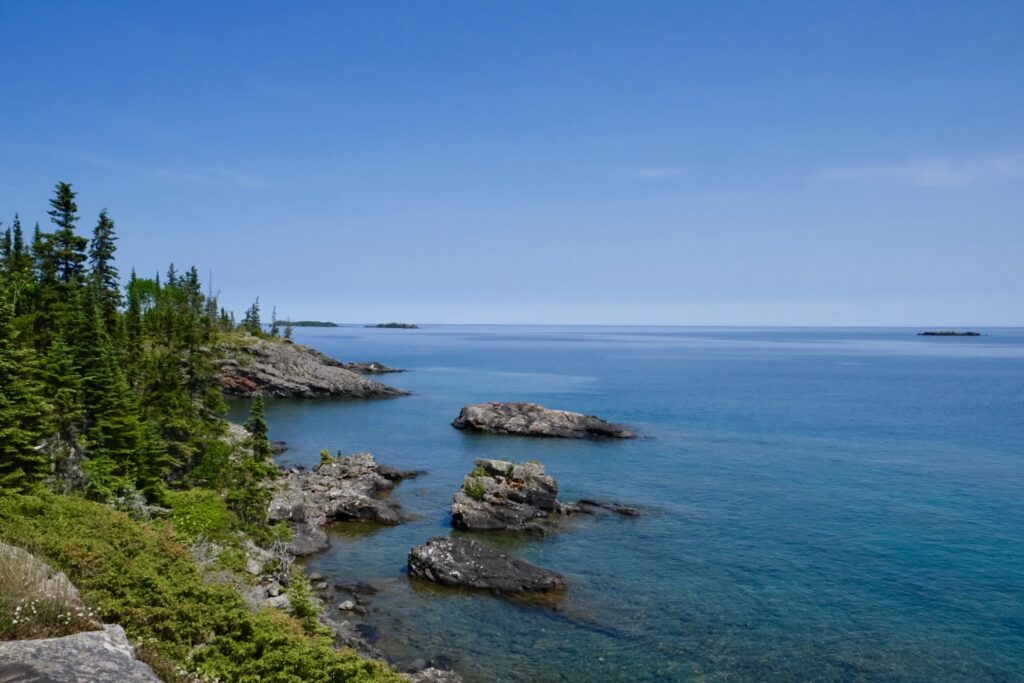
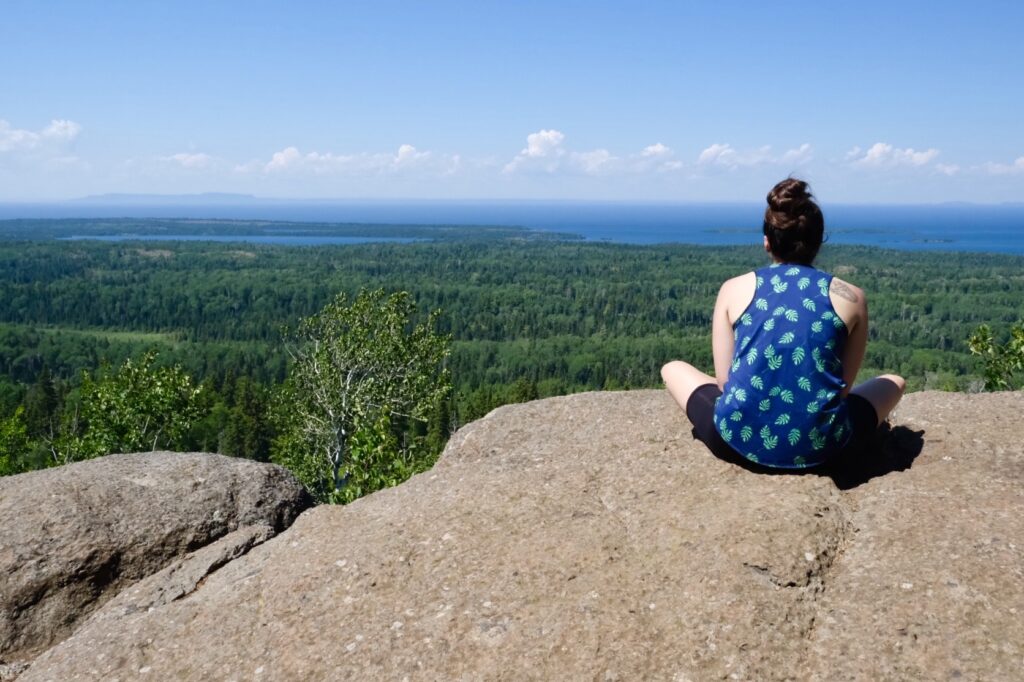
- Views from Mt. Franklin and Scoville Point
- Seeing a moose!
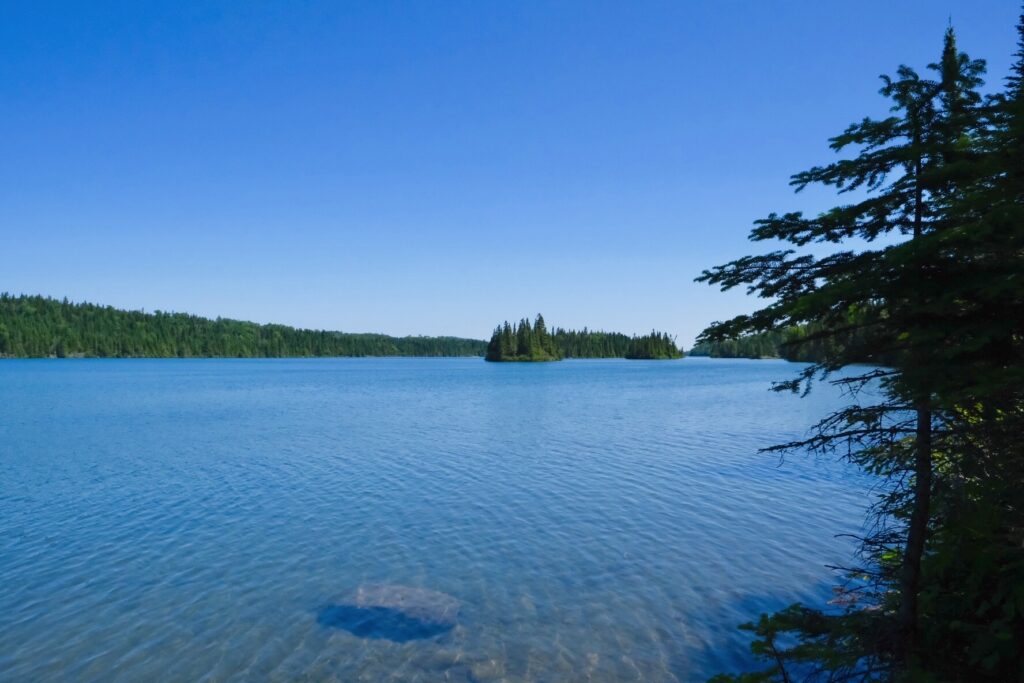
- The Lake Superior views
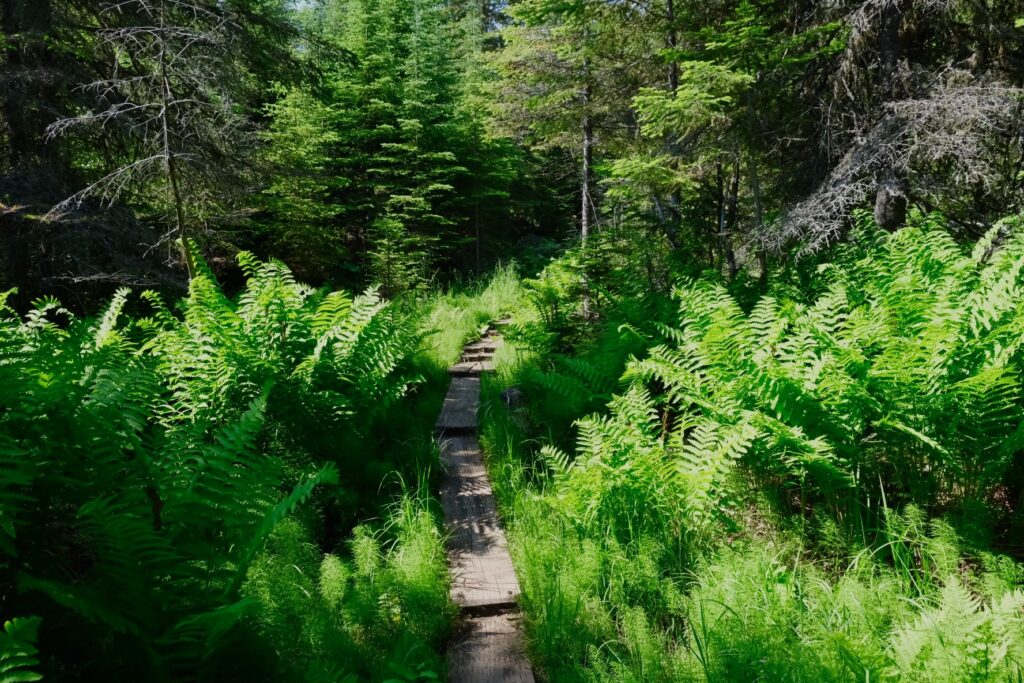
- Walking through the forest
What I would do differently
I would prepare better with proper backpacking gear and a better variety of camping food to stay longer and hike more of the island.
Website: https://www.nps.gov/isro/index.htm